Tag

drums

Basque music – the txalaparta.

By DrumsNo Comments

The txalaparta is a specialized Basque percussion instrument made of wood or stone. Juan Mari Beltran was born in Donostia-San Sebastíán and is one of the most prominent figures in this Basque folk music. He started playing the clarinet at the age of 11 and also played another interesting Basque wind instrument, the txistu. At the age of 16, he became a member of the folk music ensemble Argia. During his musical life he has worked with many folk musicians, including “txalapartarik”, or txalaparta artists.
Stories and Rhythm nights

By My StoriesNo Comments

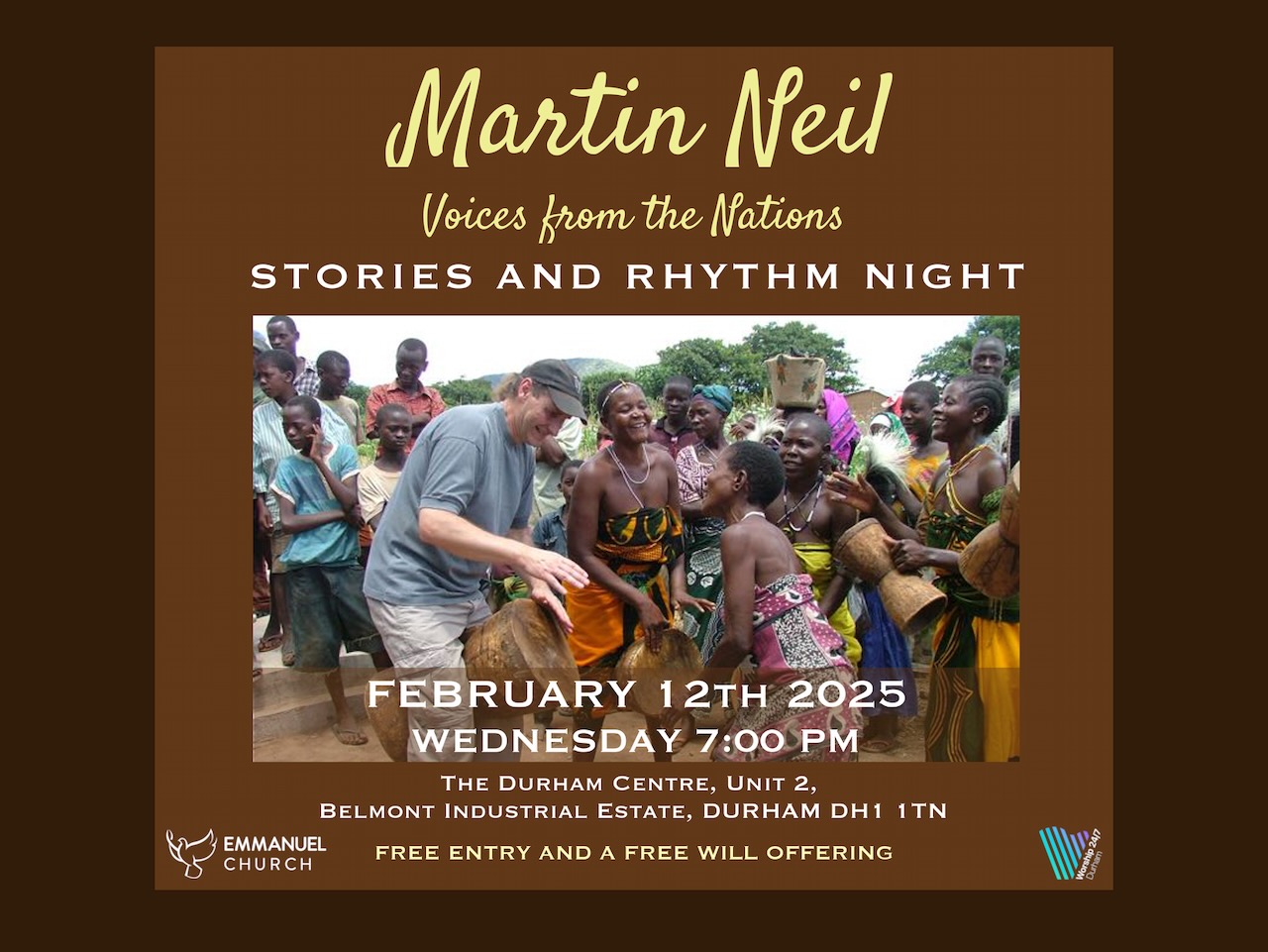
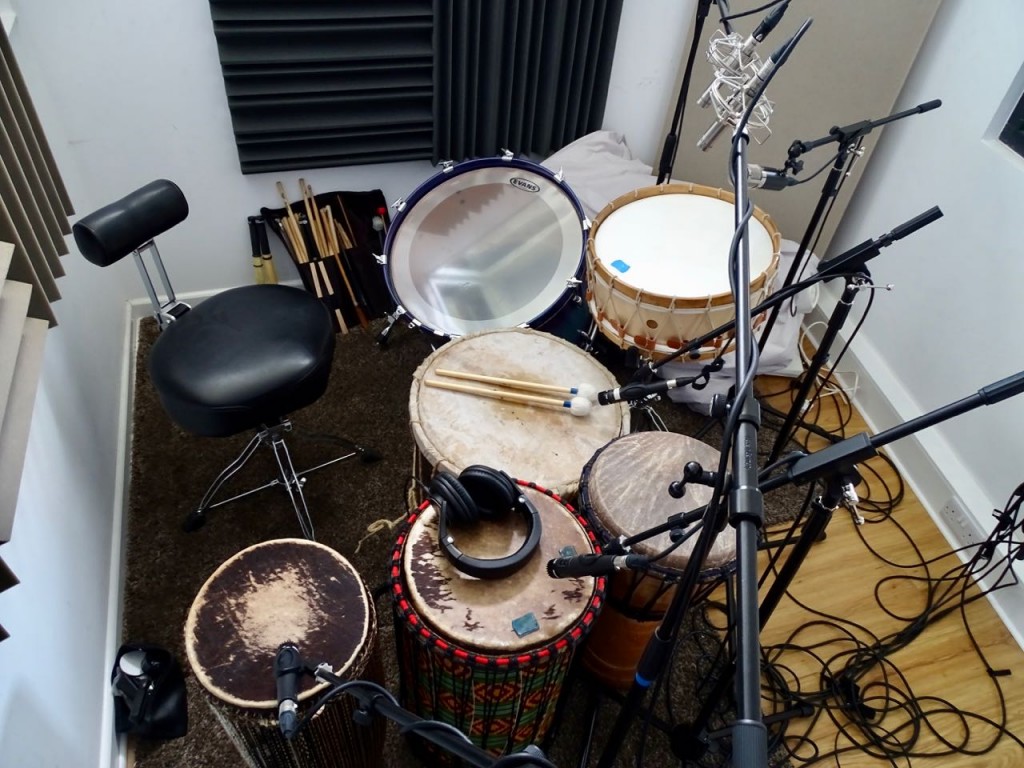
Heading to the North-east next week for some story and rhythm nights. Durham 12th, Berwick-upon-Tweed 13th and Edinburgh 15th. If you’re free come along and join in the fun! Percussion will be provided but if you have one, bring a drum.

A new rhythm – Bossa Nova

By Blog, DrumsNo Comments

One of the first Latin rhythms I had to master as a young drummer when playing cabaret nights, was the bossa nova. Developed in the late 1950’s and early 1960’s in Rio de Janeiro, the literal Portuguese translation is “new trend” or “new wave”.

Known by some as the “Father of Bossa Nova” Brazilian guitarist Joao Gilberto was pivotal in coming up with this original take on samba. His classic 1964 recording with Stan Getz, titled Getz/Gilberto, brought bossa nova to a worldwide audience and the magazine Rolling Stone included the recording in its best albums of all time. 

Read More

And The Trees Clapped Their Hands

By Music from the Nations, My StoriesNo Comments

Whilst walking near a friend Kent’s home in Sweden I was inspired by the natural sounds that surrounded me. It was a beautiful early morning, and the air was very still, except for the tops of one silver birch tree where the leaves were shimmering, dancing, singing in the wind. It was a very light, high-pitched sound – delicate yet very noticeable. It reminded me of a line I had read – and the trees clapped their hands.

Read More

Buffy MacNeil – Somebody Pray

By Drums, My StoriesNo Comments

Honoured to be part of Canadian singer Buffy MacNeil’s recording project – Voices of the Silenced of Residential Schools. This video “Somebody Pray” is part of the project that began to unfold in January 2021 when Buffy MacNeil envisioned the ways she could support the health and well-being of Indigenous youth. She hopes to release an album which will support the creation of a youth care and advocacy centre in the community of the Paq’tnkek Mi’kmaw Nation.

Native Drums

By DrumsNo Comments

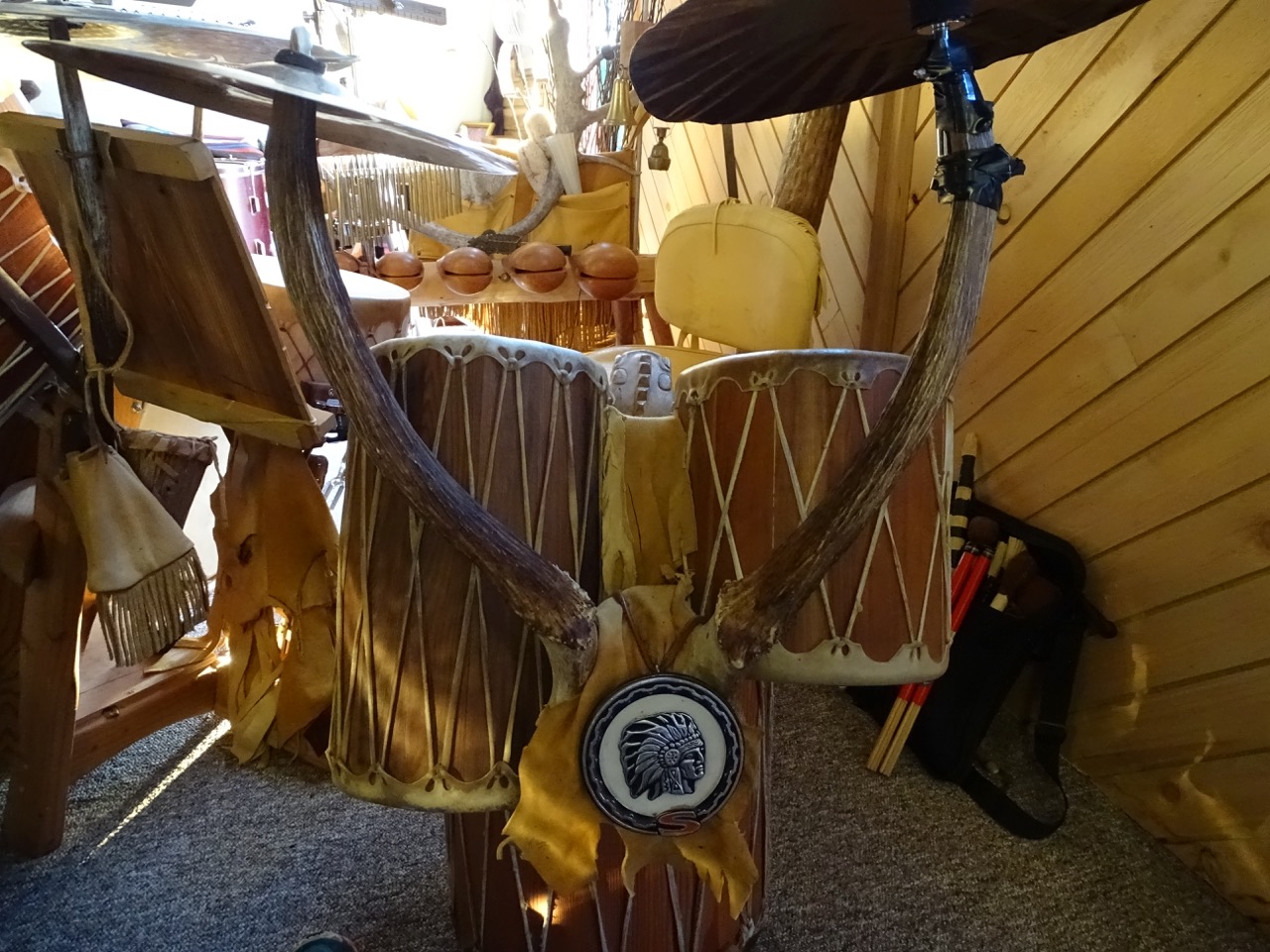
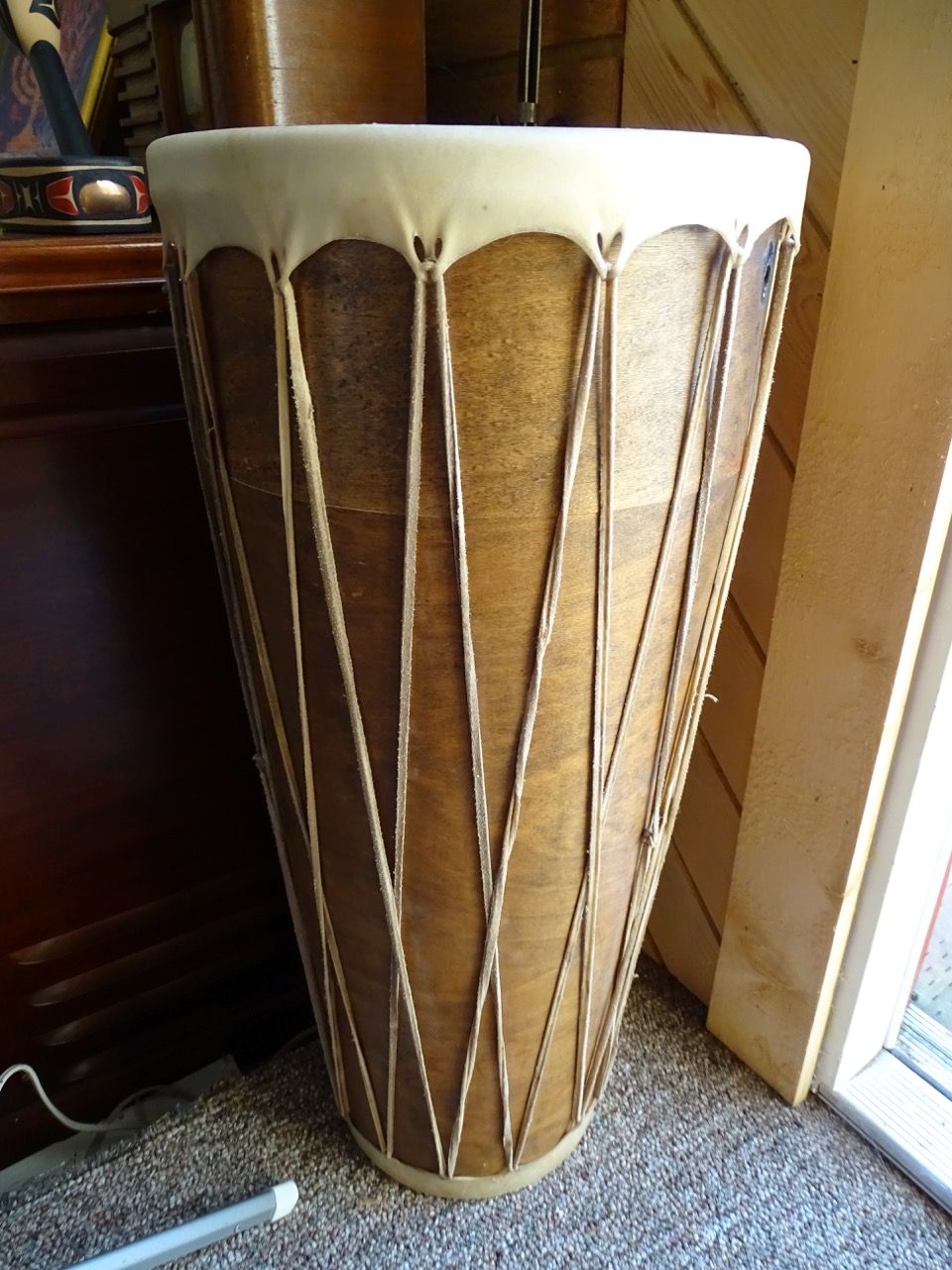
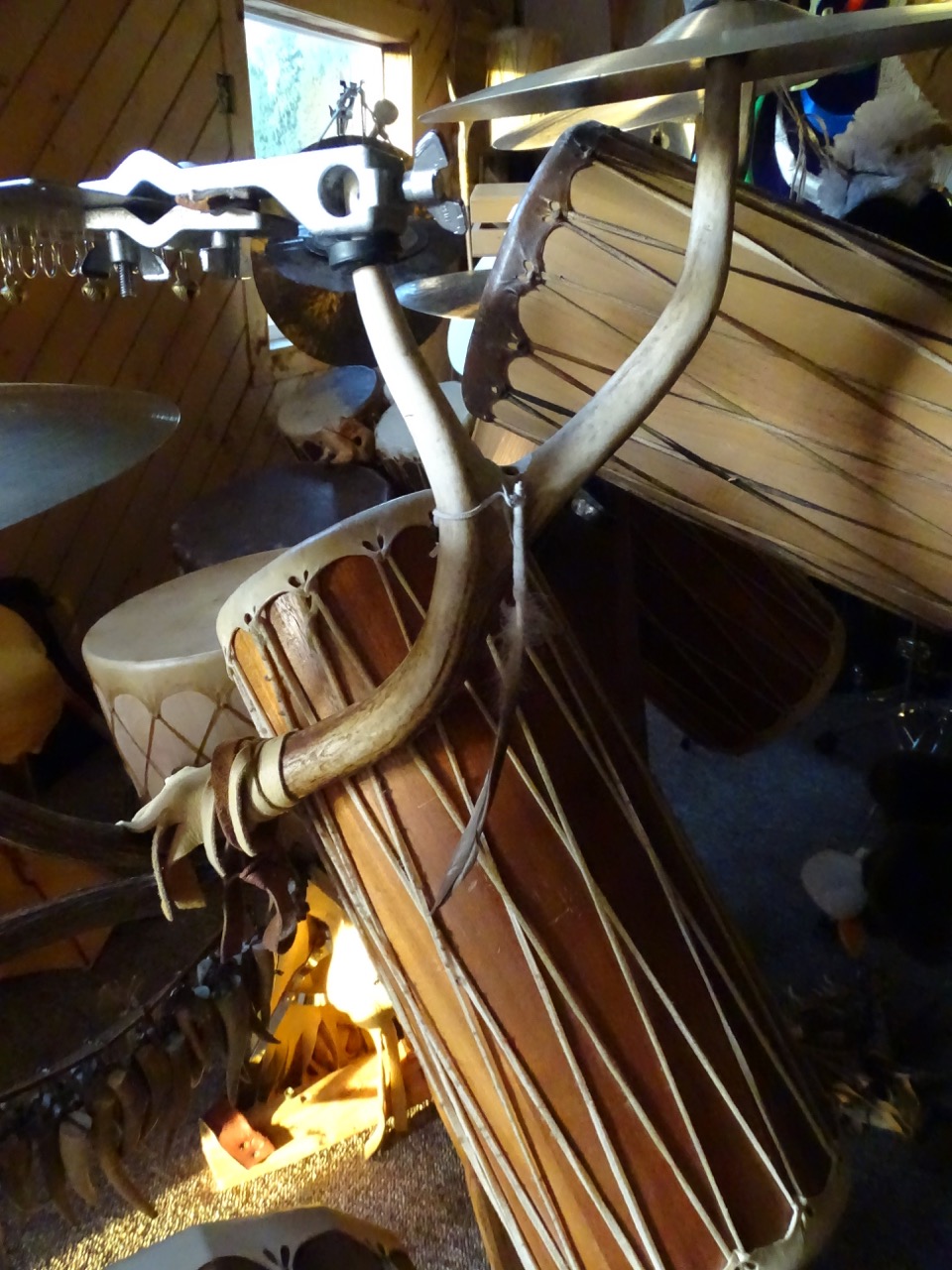
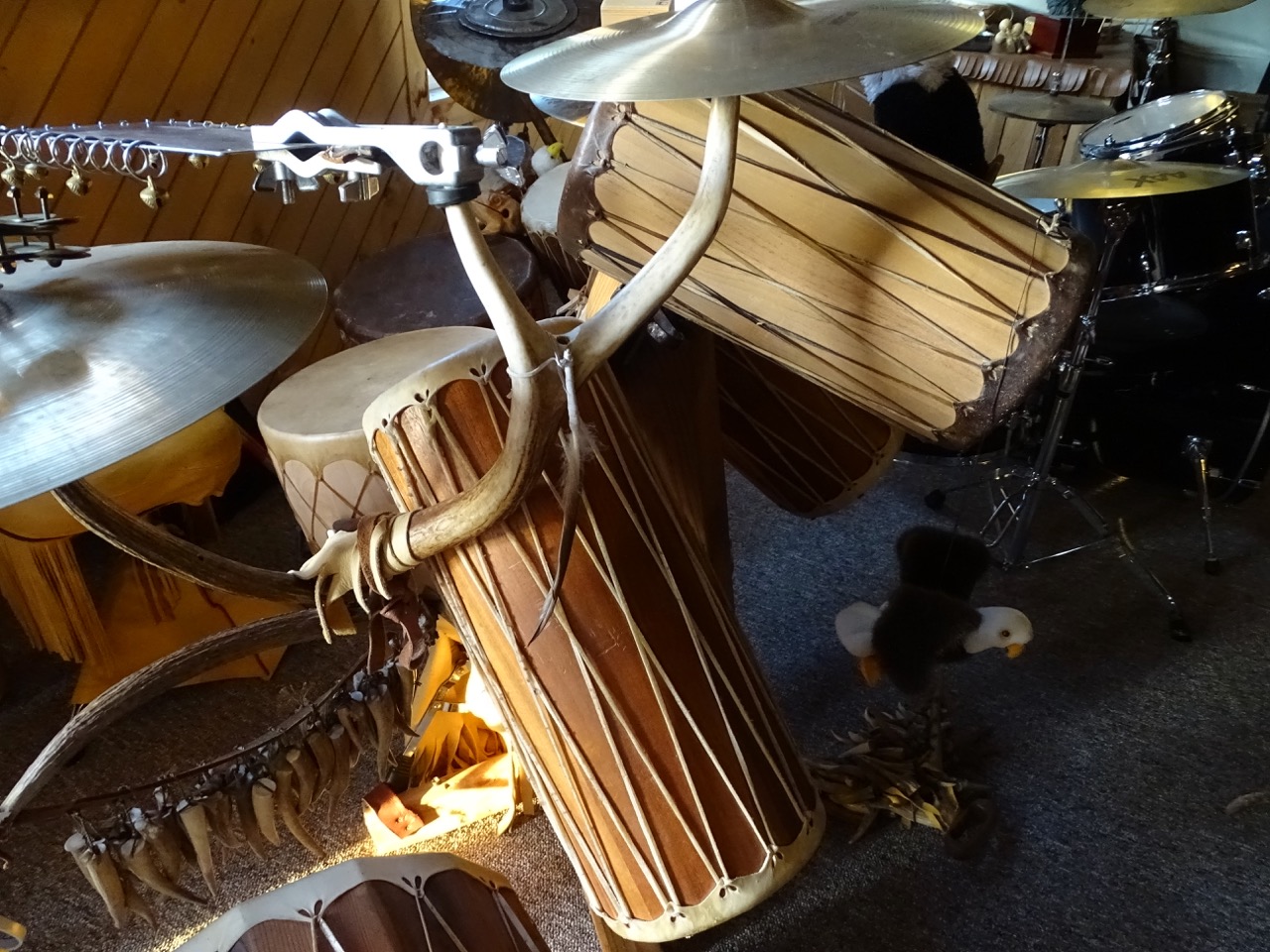
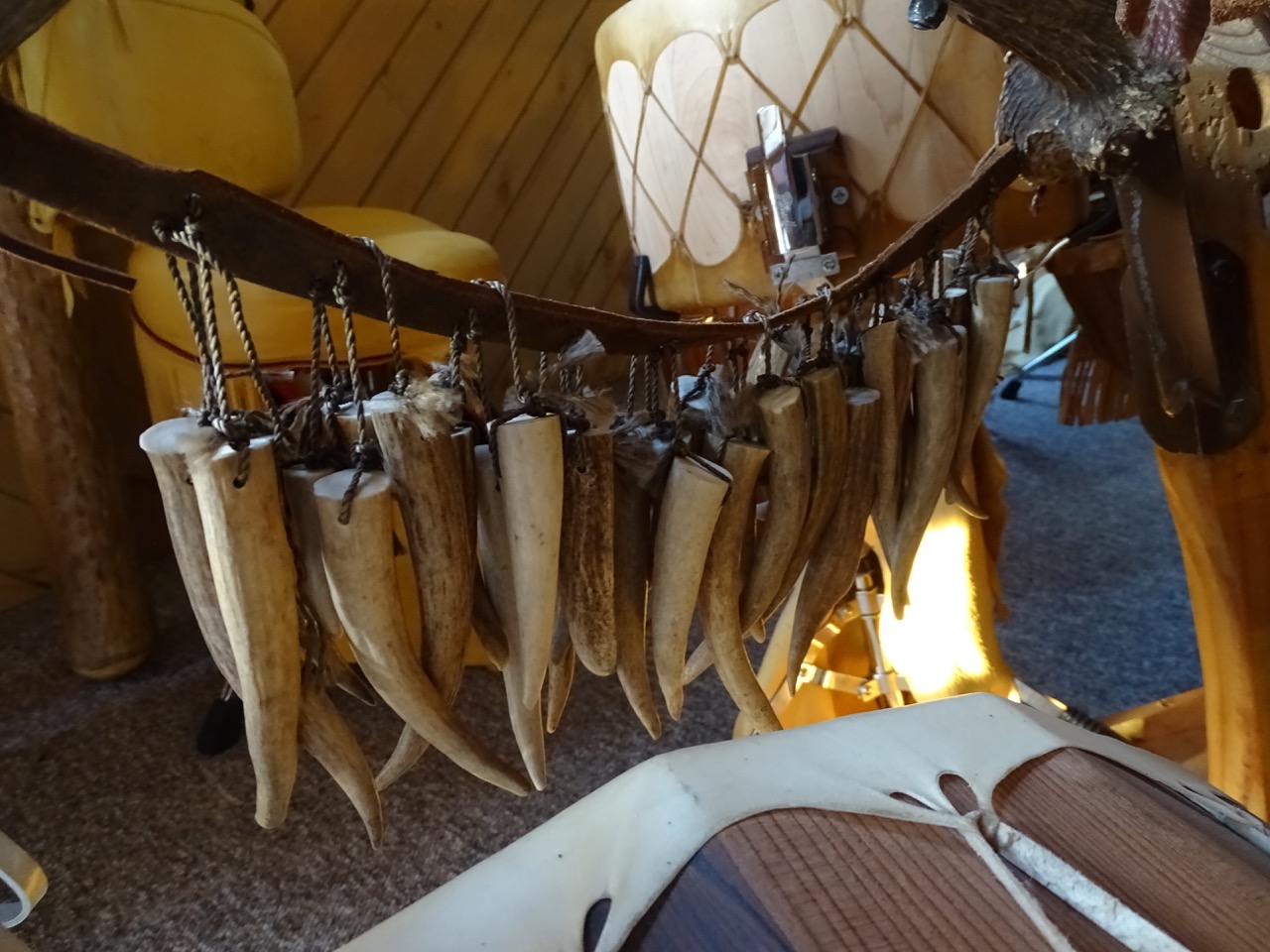
A wonderful few days with Jerry Chapman from the Stó:Lō Nation. He is a very creative builder of Native drums. We met many years ago when I was asking an event organiser if there were any Native drums that I could use and Jerry was passing by at the time and remarked “I have a van full of drums.” We have been friends ever since.  Seeing the drum set-ups I have used with drums from around the world on a rack, inspired him to use deer antlers for hardware and experiment with different sizes and shapes for Native drums.
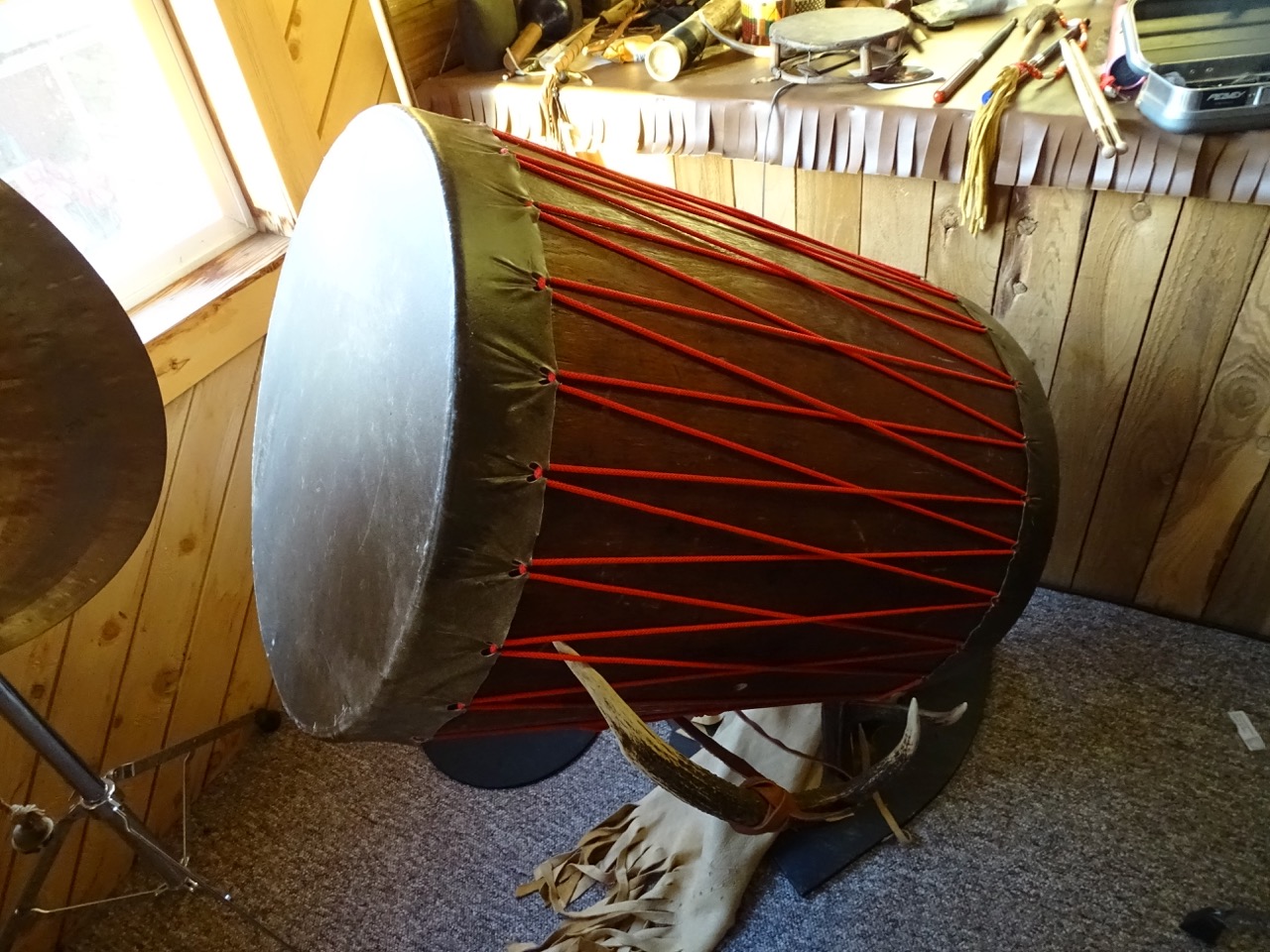
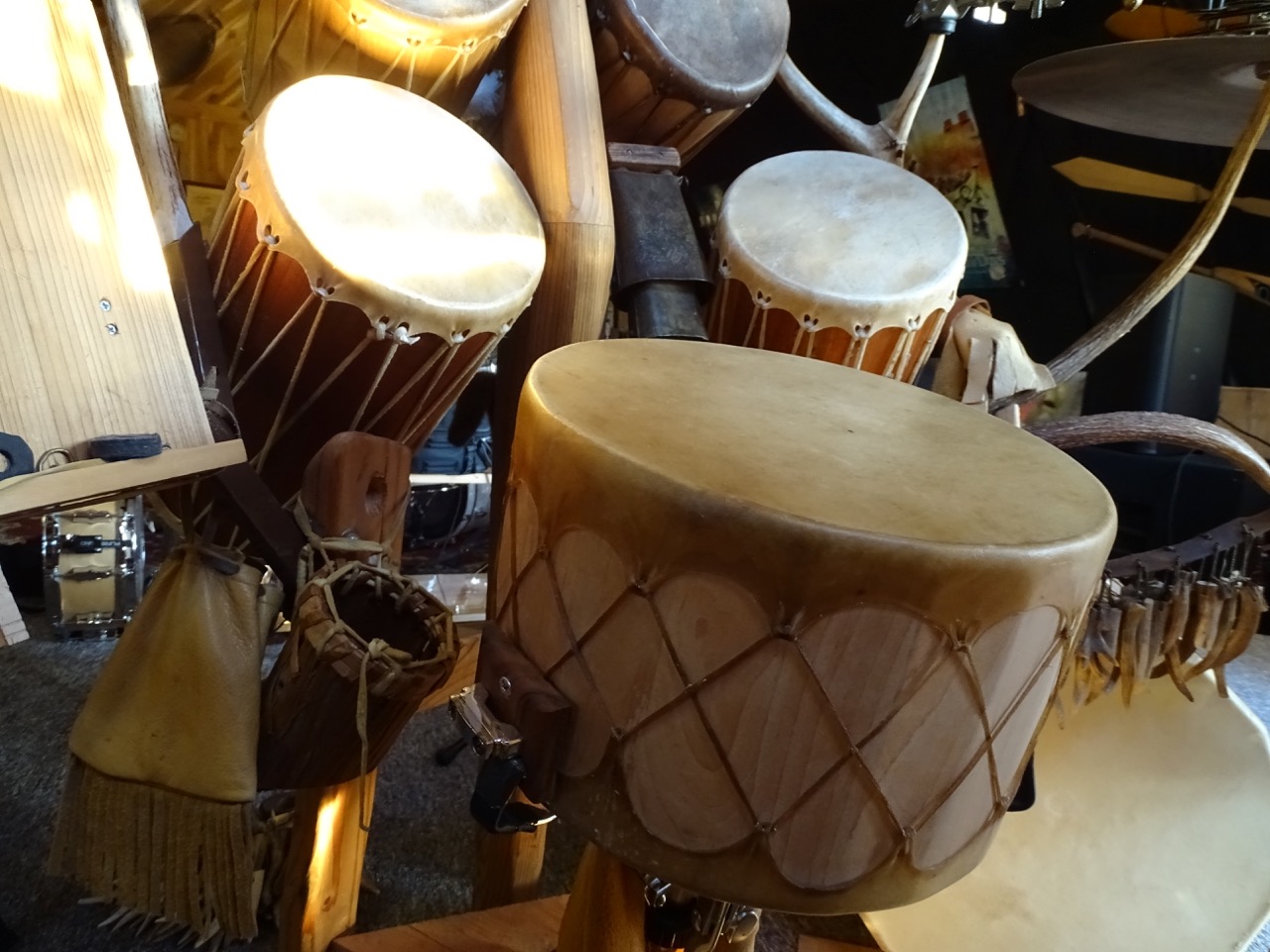
It is said that anyone that is not well and feeling bad and anyone that is mourning, the sound of the drum will revive them and make them happy.

Peter Le Claire (Ponca Nation) speaking to Jim Howard from the book Powwow – edited by Clyde Ellis

The Heartbeat of Music

By Drums

The drum is one of the oldest known musical instruments, being played in various forms by nearly every people group in the world, producing a huge variety of sounds fashioned in many shapes and sizes, the drum provides the foundation to most traditional and modern day music.

For over 4,000 years drums have been used in many diverse situations, e.g. in religious celebrations, for sending signals or messages, on the battlefield during the Civil War, to help African slaves overcome the boredom of hard monotonous work, storytelling in China, carnivals in Brazil, healing, dancing, and entertainment. Read More

The Mandinka way

By Africa, My Stories3 Comments

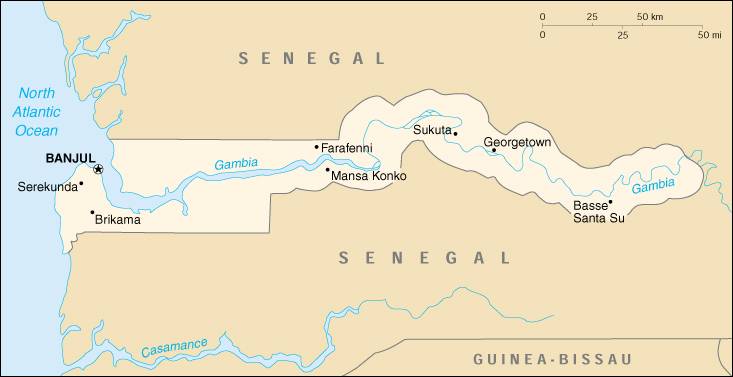
gambiaIt is rainy season and as the plane flew towards the landing strip at Banjul, the capital city of The Gambia, verdant tropical forests of flat-topped acacia and baobab trees, flooded by seasonal rains fill the landscape. Lying at the western edge of Africa, surrounded on three sides by Senegal, its river defining the countries very existence, the Gambia is one of the poorest countries in the world. With a life expectancy of around 50 years and between 100-200 children in every 1000 dying before the age of five, the average western citizen is up to 100 times better off than their Gambian counterpart. I was about to be dropped into a fragile African nation of diverse cultural expressions. Read More