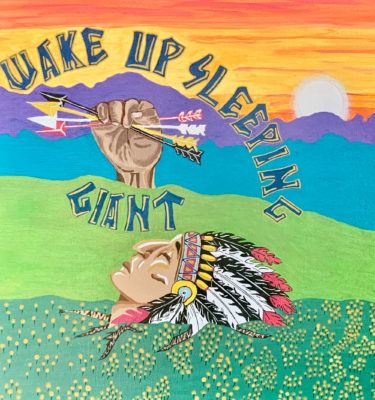
I was very fortunate to be invited to a First Nations pow wow many years ago – the drumming and singing are so powerful.
I love military drum players and this performance is sensational … bringing skill and fun together. This drum corp are from Switzerland.
It just happened that one of the exponents of Cook Island drumming was doing a workshop that I was able to sit in on. Dr. Jon Tikivanotau Jonassen, a Rarotongan by birth, who has toured internationally with the famous Betela Dance Troupe. He has developed a unique way of notating the rhythms from the Cook Islands. It was wonderful to meet him and hear his perspective on drumming Pacific style. Below is an example of the unique Cook Island playing.
Check out more pictures/video …… Read More
In the age of computer generated music and technology, it is exciting to hear about the resurgence of traditional instruments. The vivo, a high pitched nose flute, which was widely used in pre-missionary Polynesia, is having a bit of a revival. The Ministry of Cultural Development in the Cook Islands has organised workshops and had 1500 vivo made on the island of Mangaia, where the bamboo used for the instrument grows naturally.
Many of the flutes from Pacific islands are nose blown rather than mouth blown, which fascinated me. Why was this, I asked myself? One story I heard was that the breath out of your nose is thought of as being pure whilst often breath from the mouth can bring forth obscenities, such as in speech. Therefore making flute music with air produced from the nose was symbolically thought to have the purest intentions.
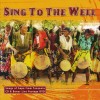
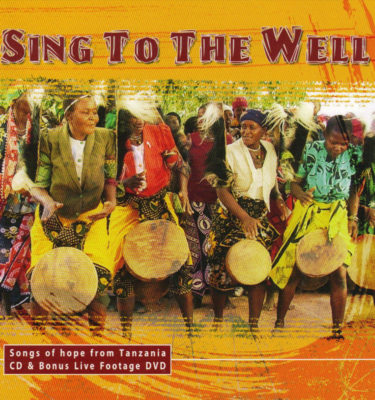
Sing to the Well is a CD recorded in a rural community in Tanzania. The only documentation we had found of this instrument was a 3 string version so you can imagine our excitement when we met this player who plays a 10 string Zeze.
Sing to the Well is a CD recorded in a rural community in Tanzania. During our time recording we spoke with many of the older people in the village showing them pictures from an old book I had discovered on traditional Gogo instruments. One old lady knew where someone played this strange instrument called the Donondo … so of we went searching …. 2 hours later surrounded by a maze field we found this man.
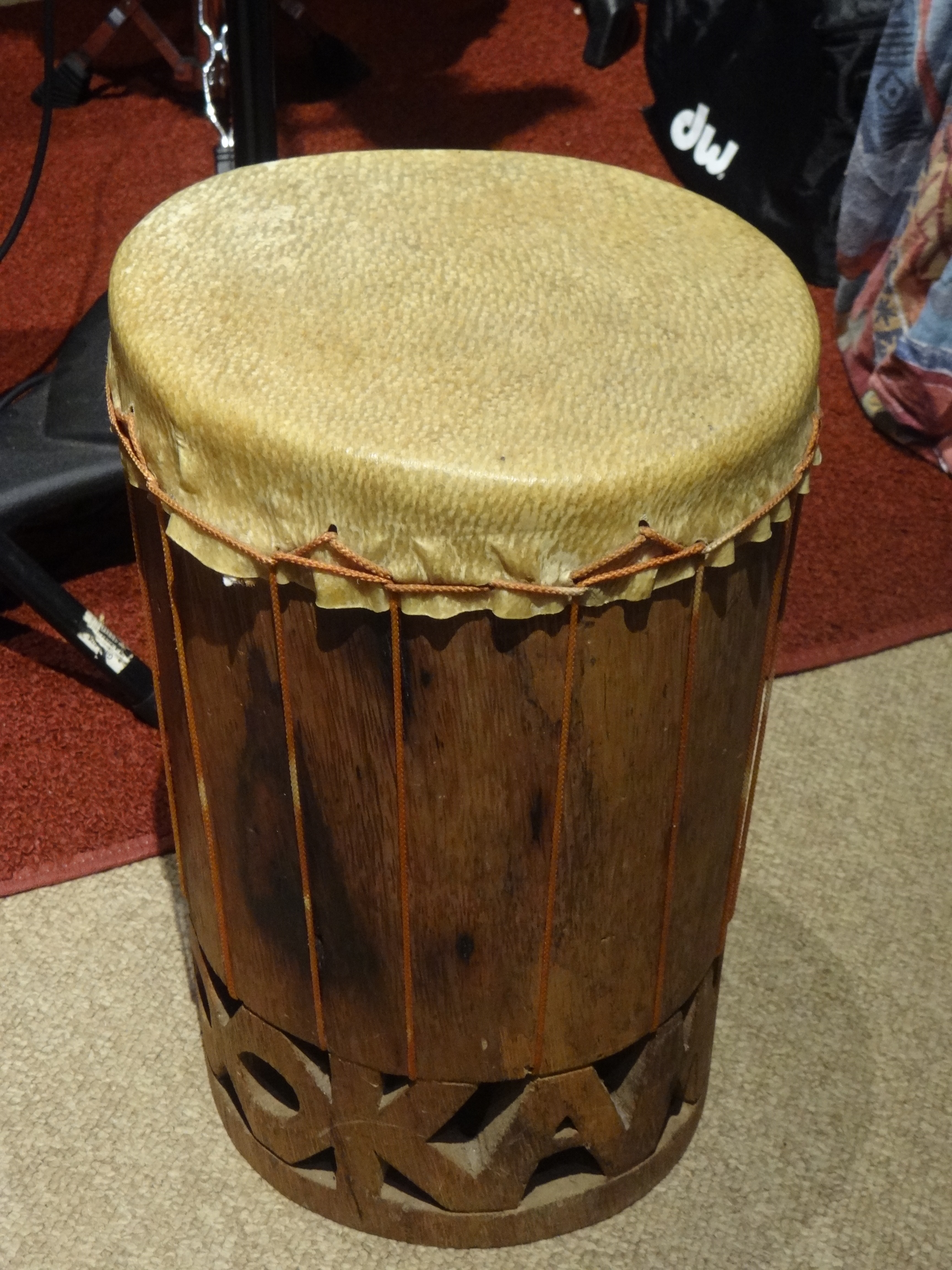
Check out some of the traditional instruments that we used on Mark Riley’s recordings.
This is a pahu drum used in hula. I have seen two versions, a short one used in Hula (pahu hula) and a taller one, often called a temple drum (pahu heiau) apparently used in religious ceremonies. They play it with their fingers or hands or both. It is made from the bottom of a coconut tree or breadfruit wood and in the past often the skin was made of shark, nowadays hide and plastic are often used.
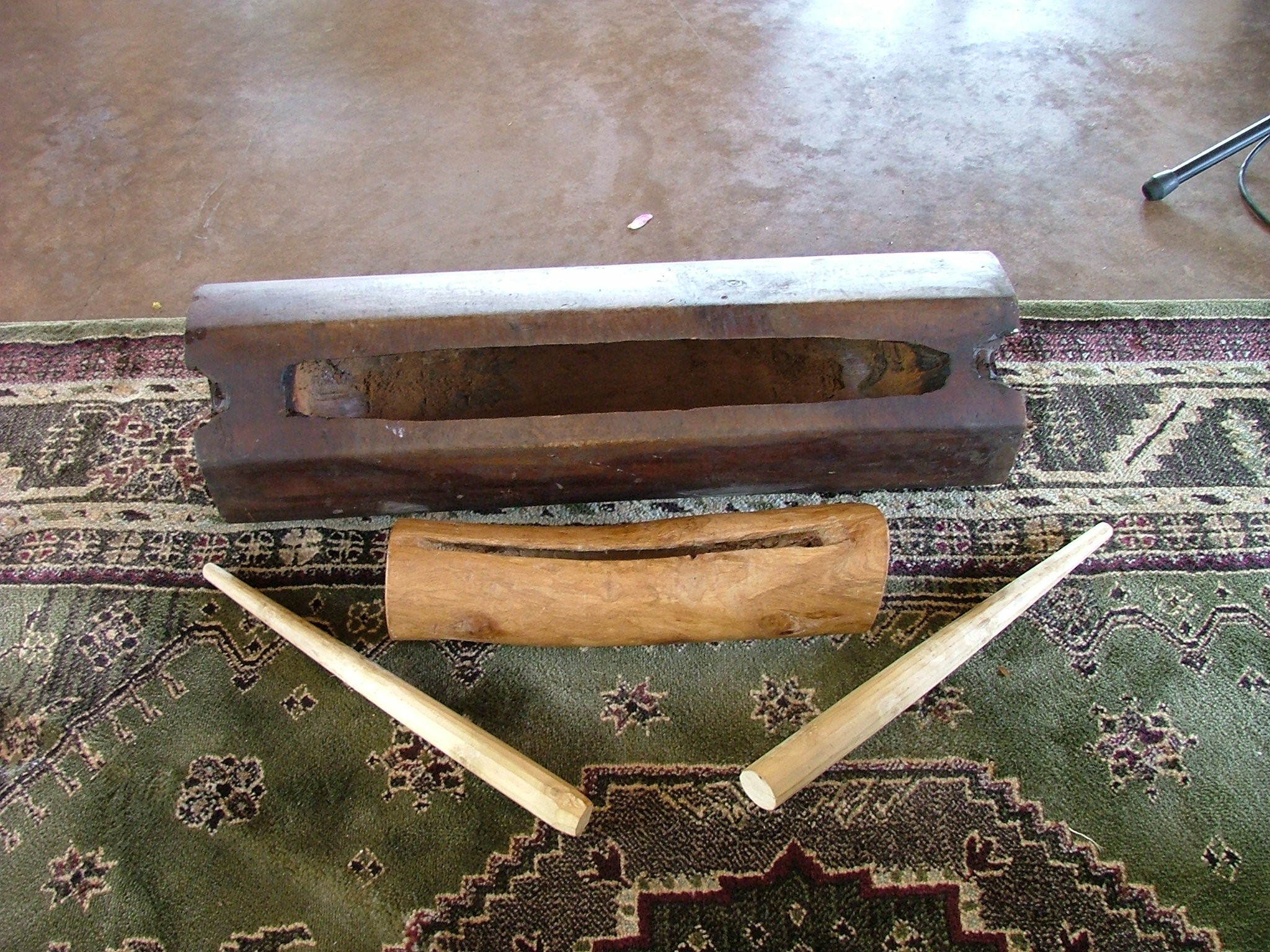
I have really enjoyed learning Tahitian log drumming from a master player in Kauai. Tepairu Manea also makes Polynesian instruments, you can check out his stuff here. On Mark Rileys new recording we used a Tuerre playing a traditional Tahitian rhythm as a foundation for one of the new songs. Read More
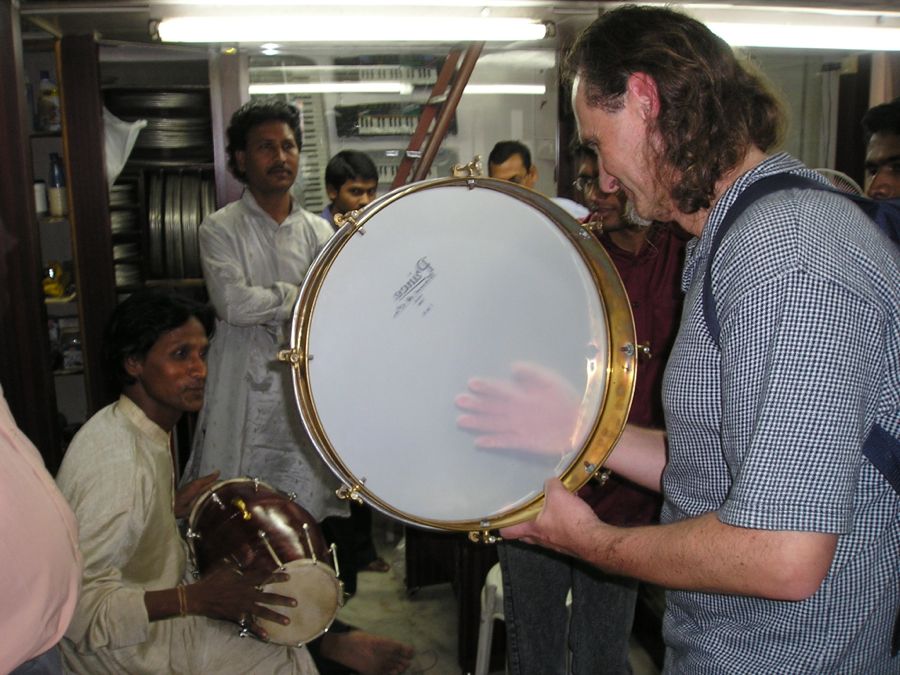
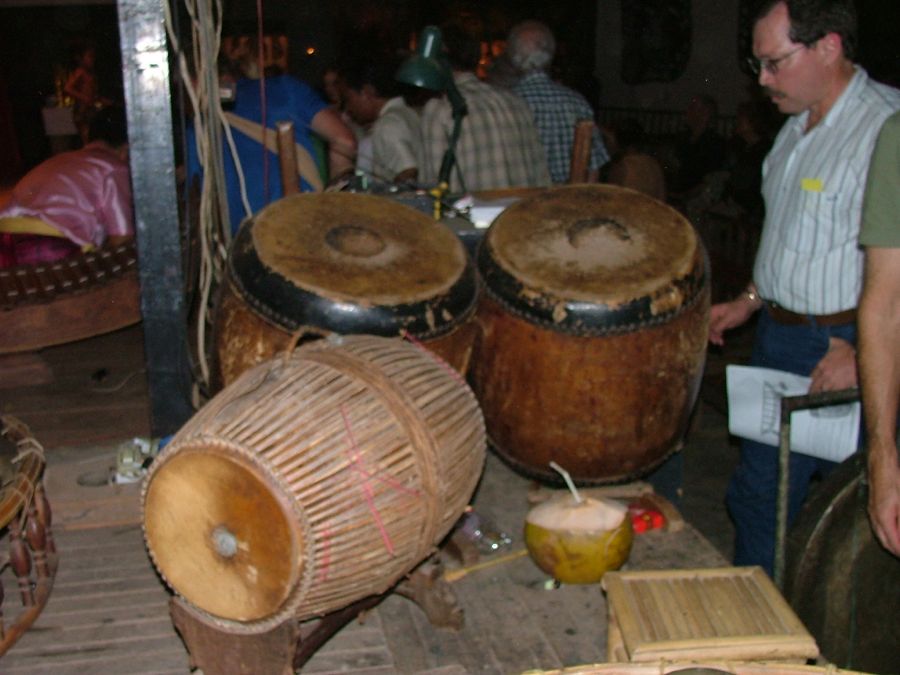
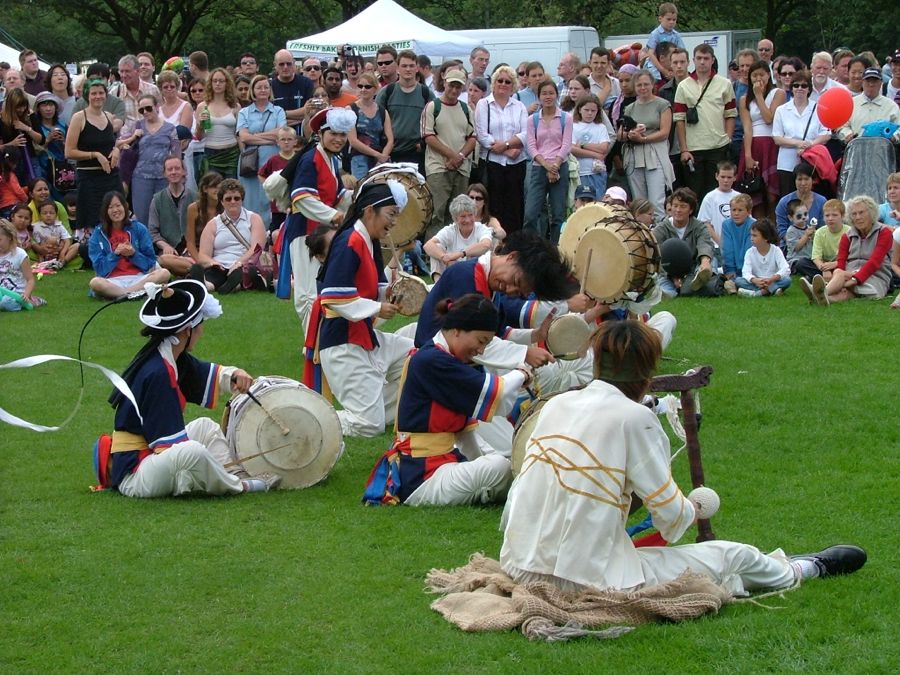
Korean drums ….. Samulnori is a traditional percussion music which originates in Korea. Nori means ‘to play’ sa means ‘four’ and mul meaning ‘objects’. I believe it was a music that celebrated a good harvest amongst farmers in rural villages. Read More
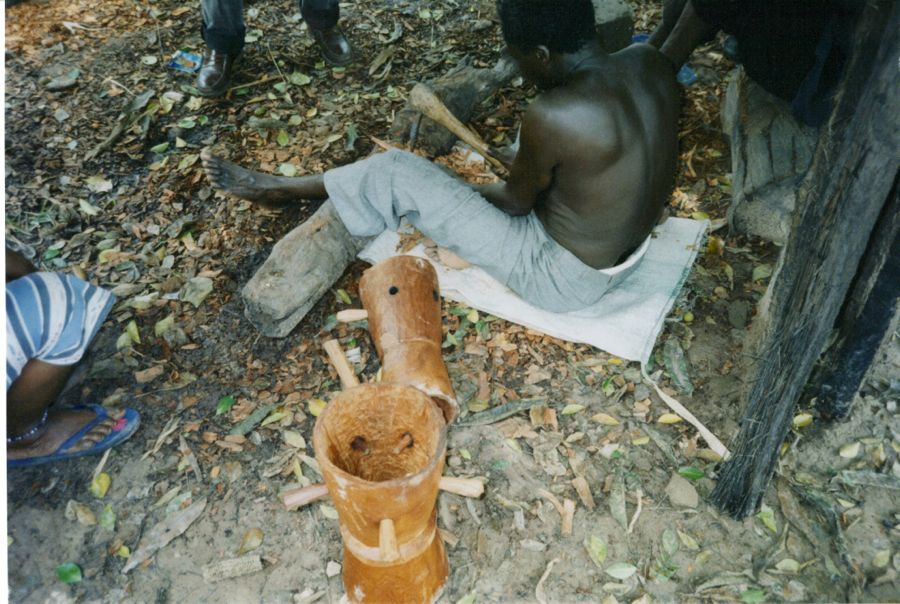 During my visit with the Mandinka people of The Gambia, I was very fortunate to see the complete process of making a drum, from the choosing of the wood to the finished article. Read More