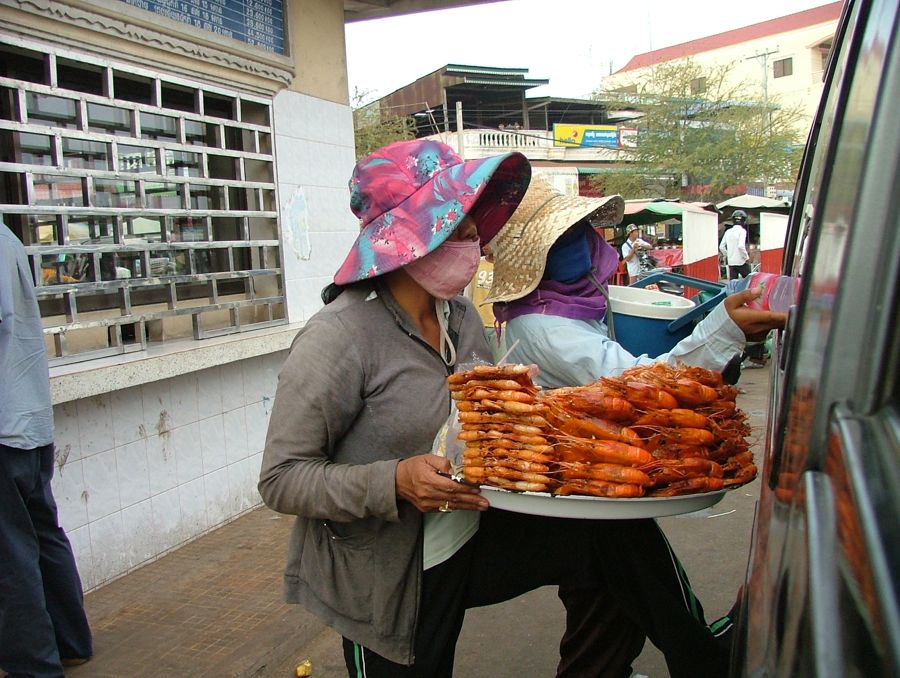
Before the sun had risen we set out travelling from the city of Phnom Penn along increasingly bumpy roads to rural Prassat. As we watched Cambodia raise her sleepy head, even at this early hour we saw an impoverished yet industrious people busy trying to eke out a living. Reaching the Mekong River we waited to catch a small over-loaded car ferry whilst being accosted by traders repeatedly urging us to buy cockroaches, beetles, grubs and all manner of delicious traveller’s snacks! Having paid for our crossing, the next step was not so easy. Bribing is now common occurrence through all strands of life, (a legacy some say of having to find any means to survive the Pol Pot genocide), and because our host wouldn’t play the game we had to wait whilst others were put on the impossibly rickety ferry first. Read More
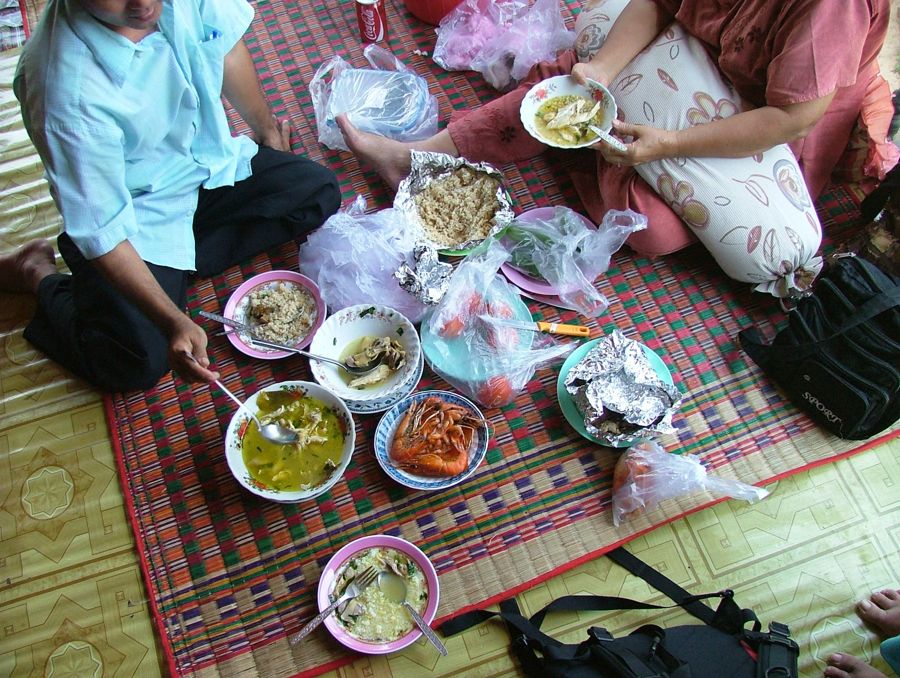
Sitting on the slatted wooden flooring covered with a beautiful woven mat … we looked out from the tall stilted house we had come to visit towards the nearby river. We had stepped into another world – a community who’s lifeblood is entangled with that of the Mekong and it’s tributaries, in all it’s wonder and treachery.
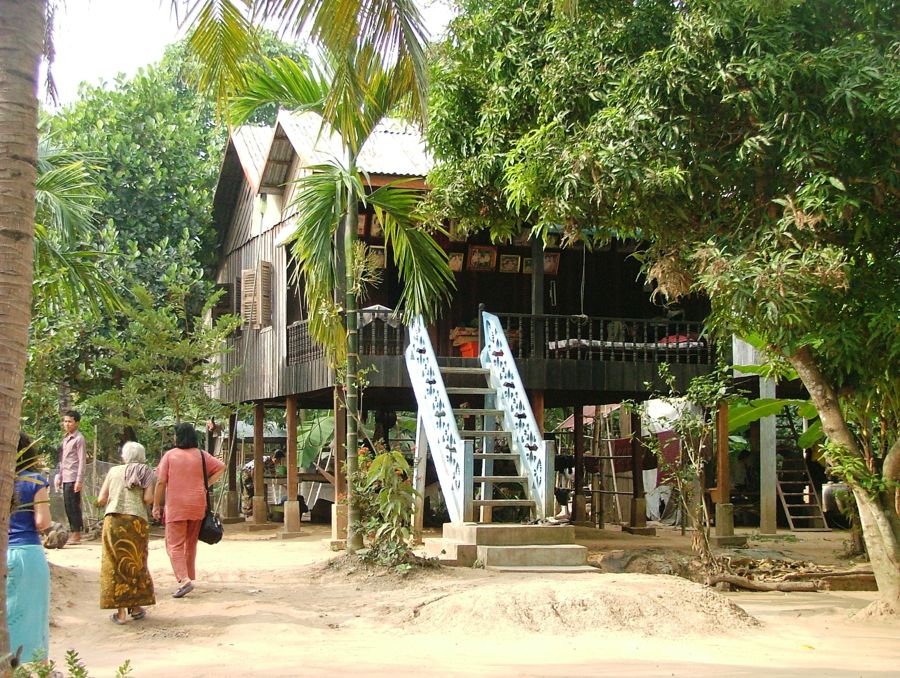
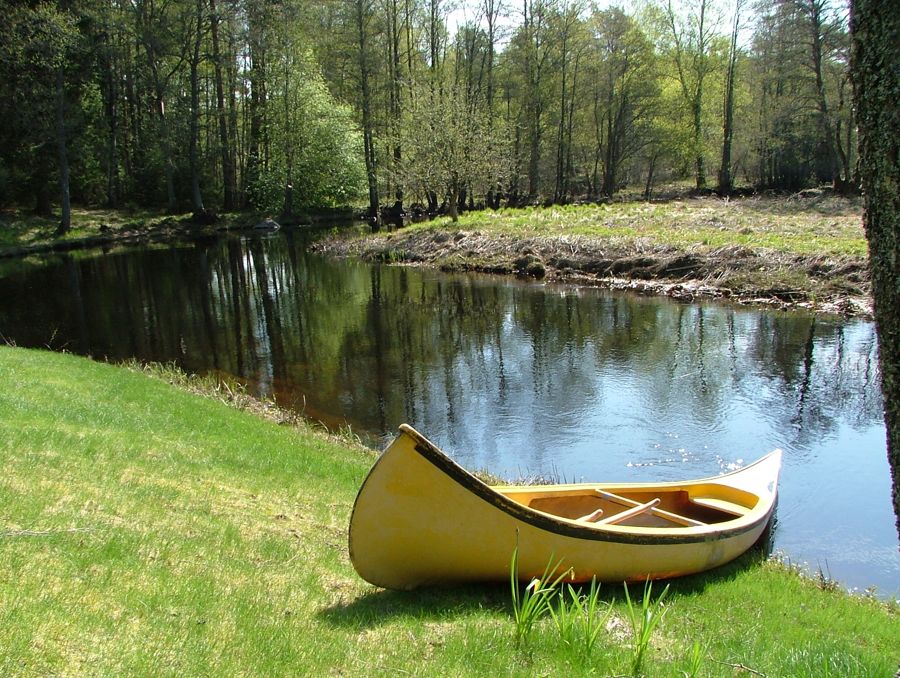
For 3 months of the year during monsoon season the river rises many feet and our hosts home becomes an island on stilts. The dug out canoe becomes the vehicle of choice for travel during this season and food comes to your doorstep – fish that is! When the waters recede the fields are perfect for growing rice.
When I fly back from other parts of the world to Europe, you are blinded by the colour of the land - green! The stories of our land and culture are held within folk music which has played such a big part in our history, from the celtic world of Ireland, Wales, Scotland, England, Brittany, Galicia and Asturas in Spain to the gypsy jazz and polyphonic choirs of the Balkans. In fact, over a century ago, musicians noticed that European folk music seemed to exhibit a certain personality. Today, much of this orally transmitted music has been re-imagined and fusions birthed such as folk rock, folk metal and electric folk.
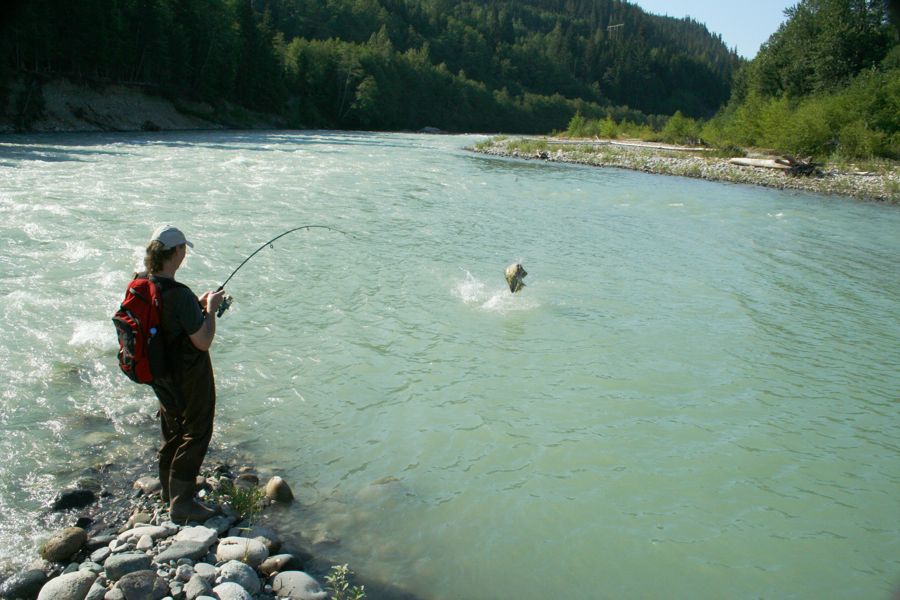 Kitimat in northern British Columbia, “the end of the road” is known for it’s salmon fishing and stunning scenery. A small community that has grown since Alchem (a company who smelt aluminium) invested into the area in the 1940’s. I was fortunate enough to be asked to play at a music festival in this area and met some wonderful people. This short video is an amazing boat trip up river …. chasing the elusive big fish. Read More
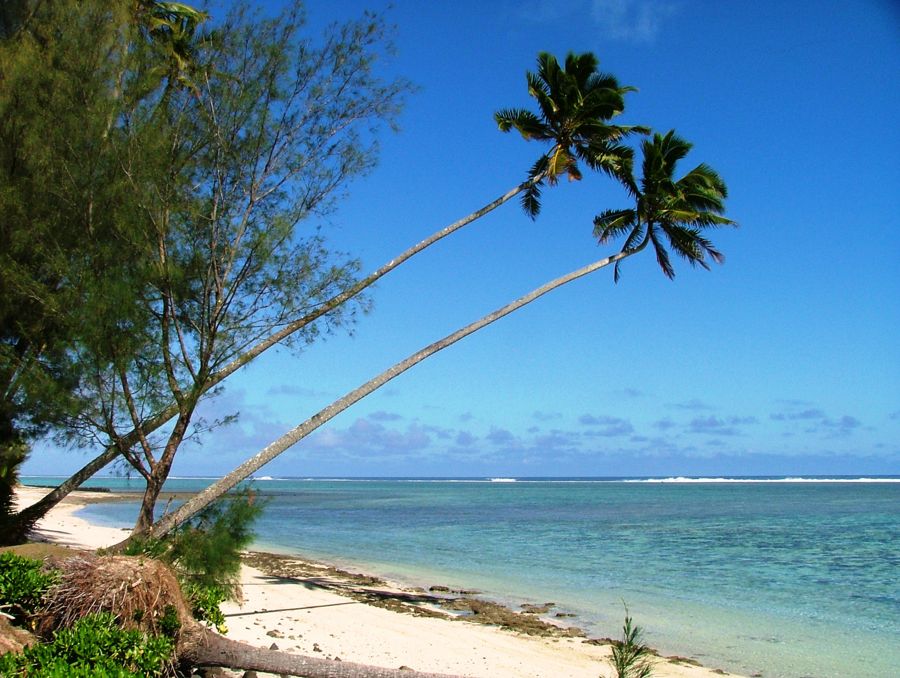
Whilst collecting Birthday emails, we overheard a conversation from some Samoan athletes who are here participating in the Pacific Mini-games, that there had been a large earthquake near Samoa and people had died. Read More
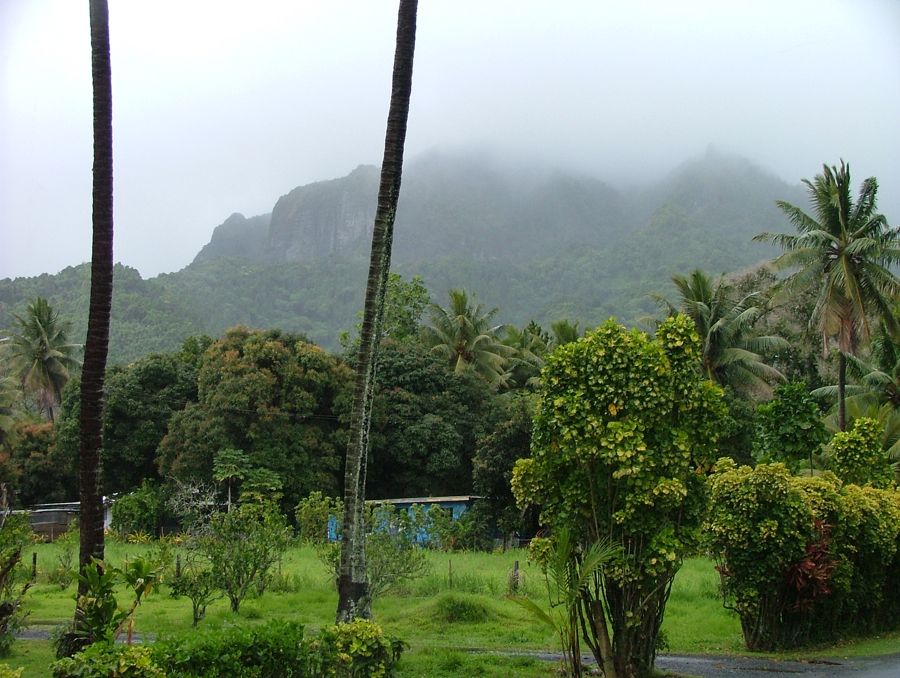
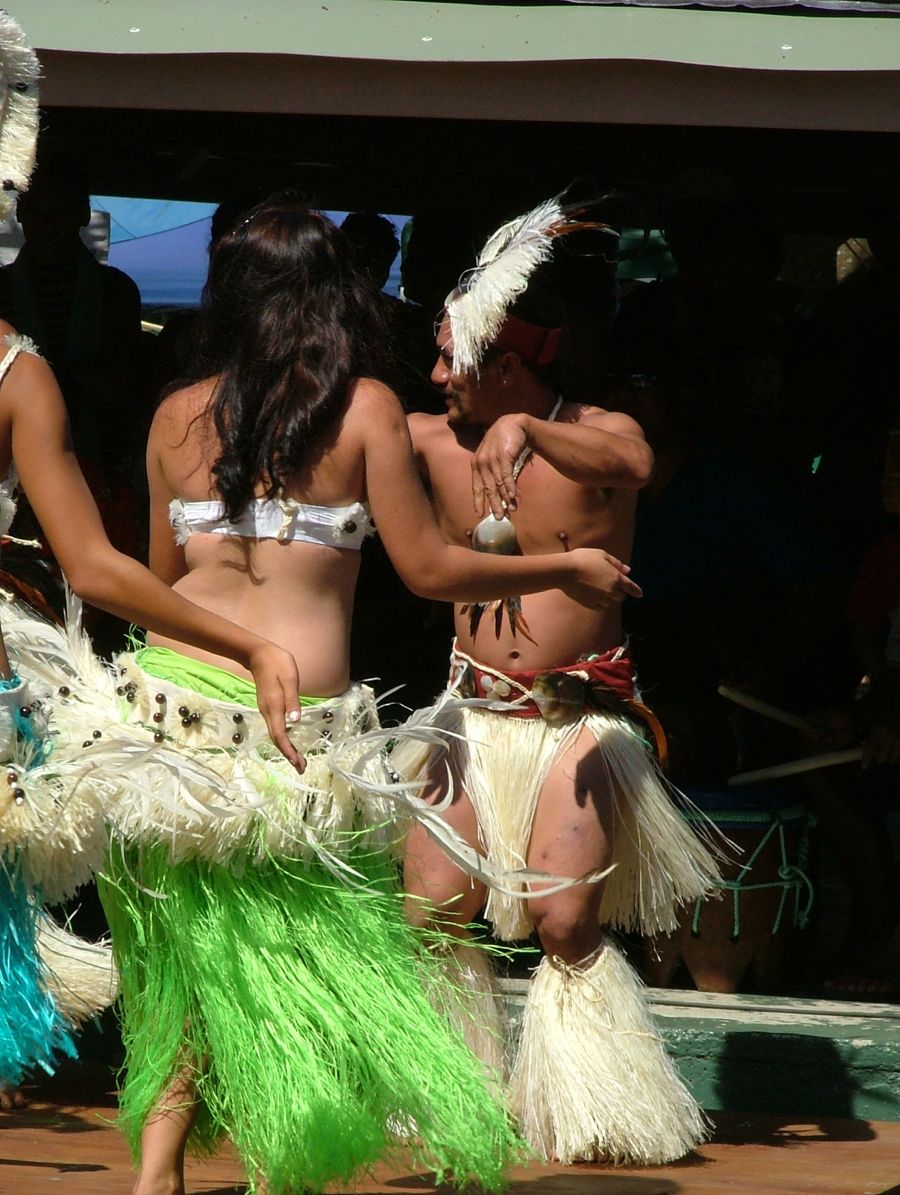
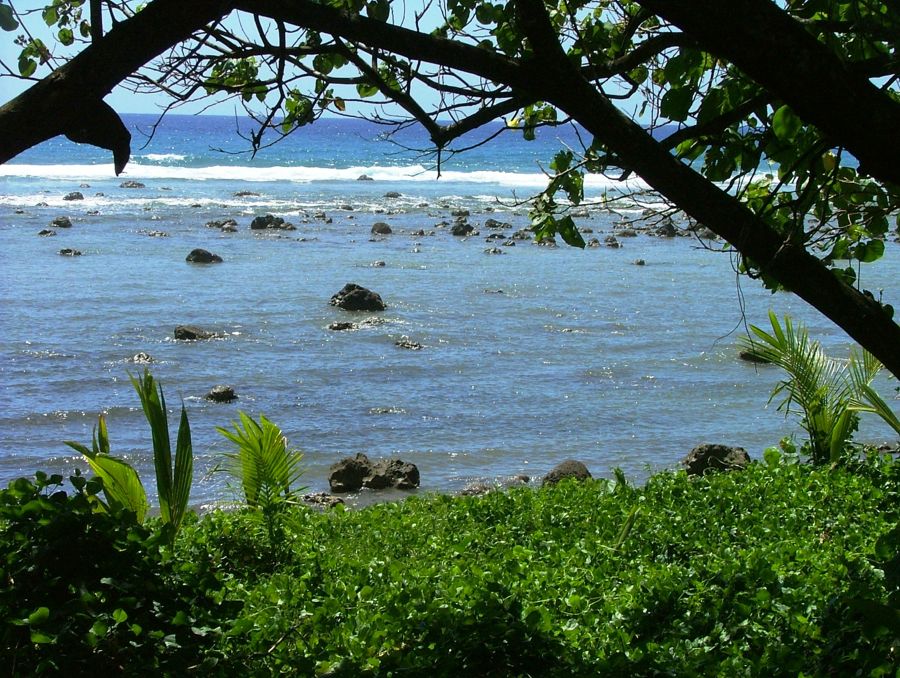
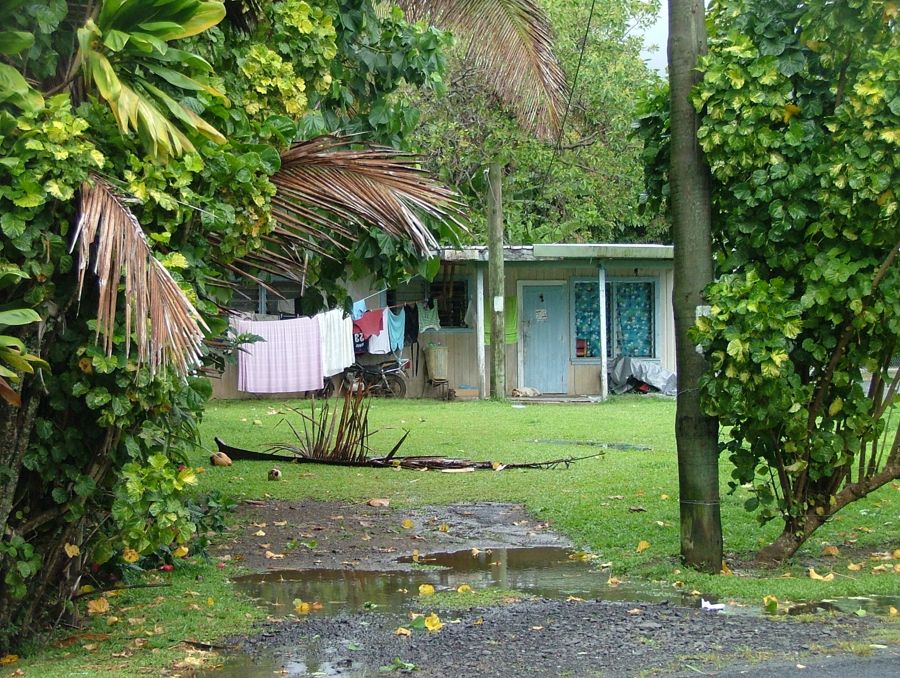
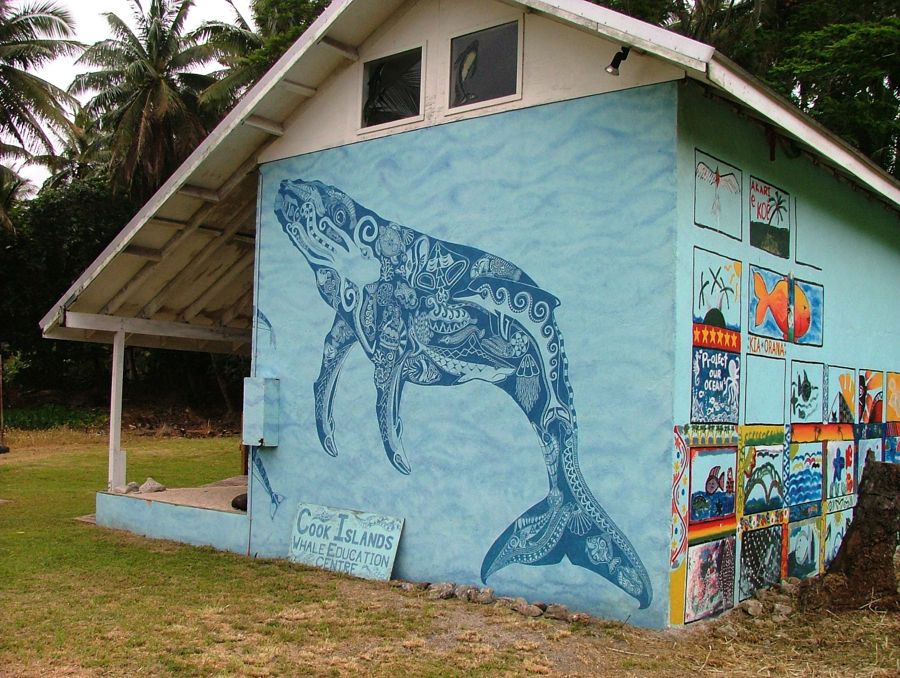
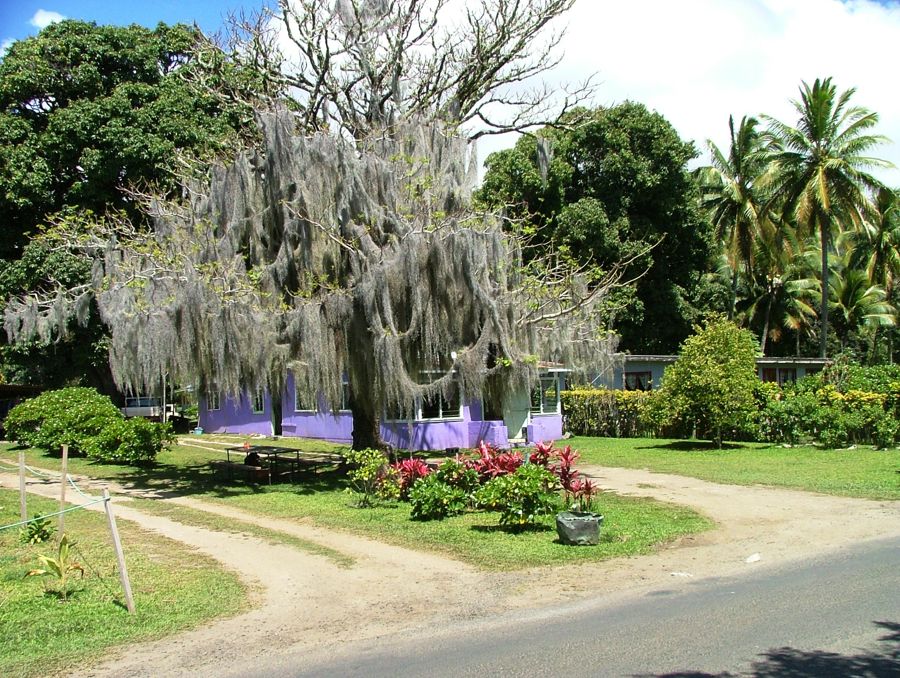
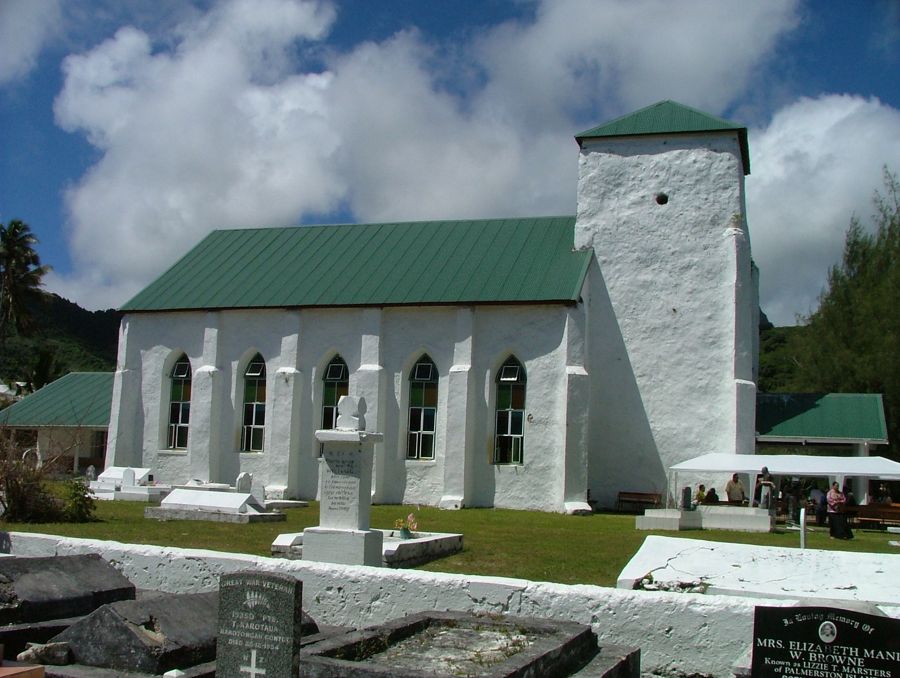
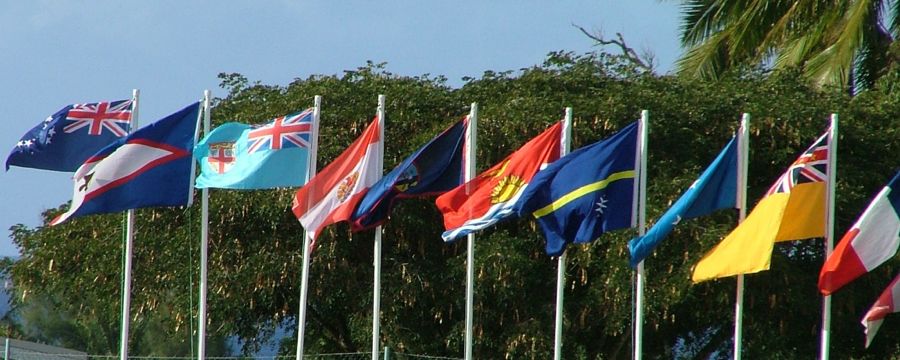
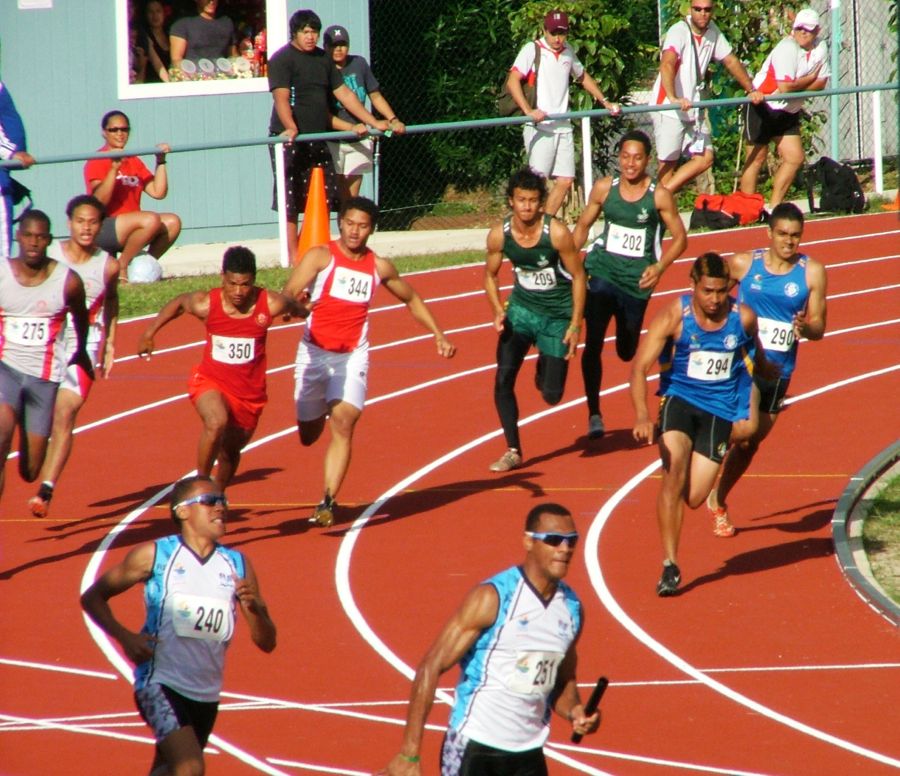
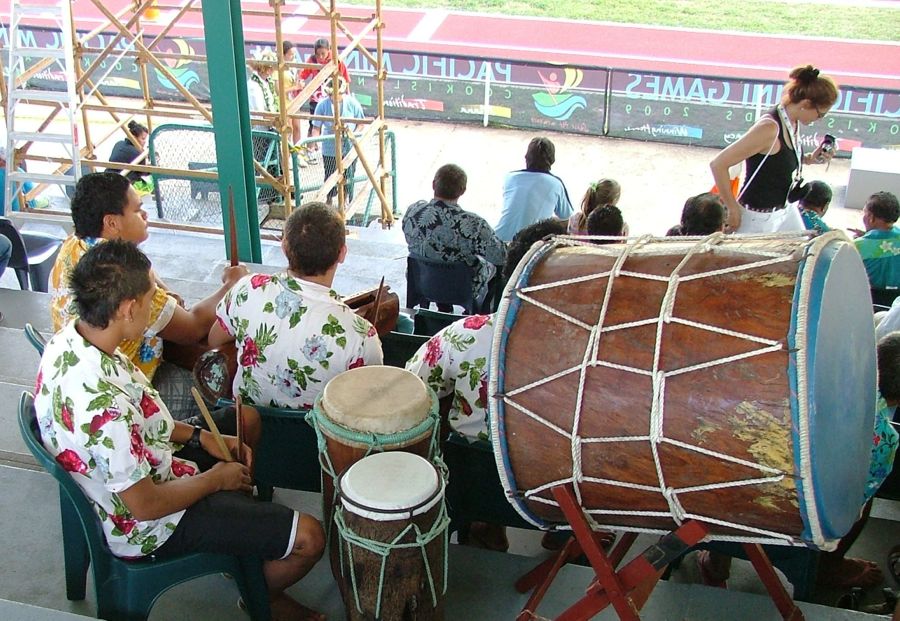
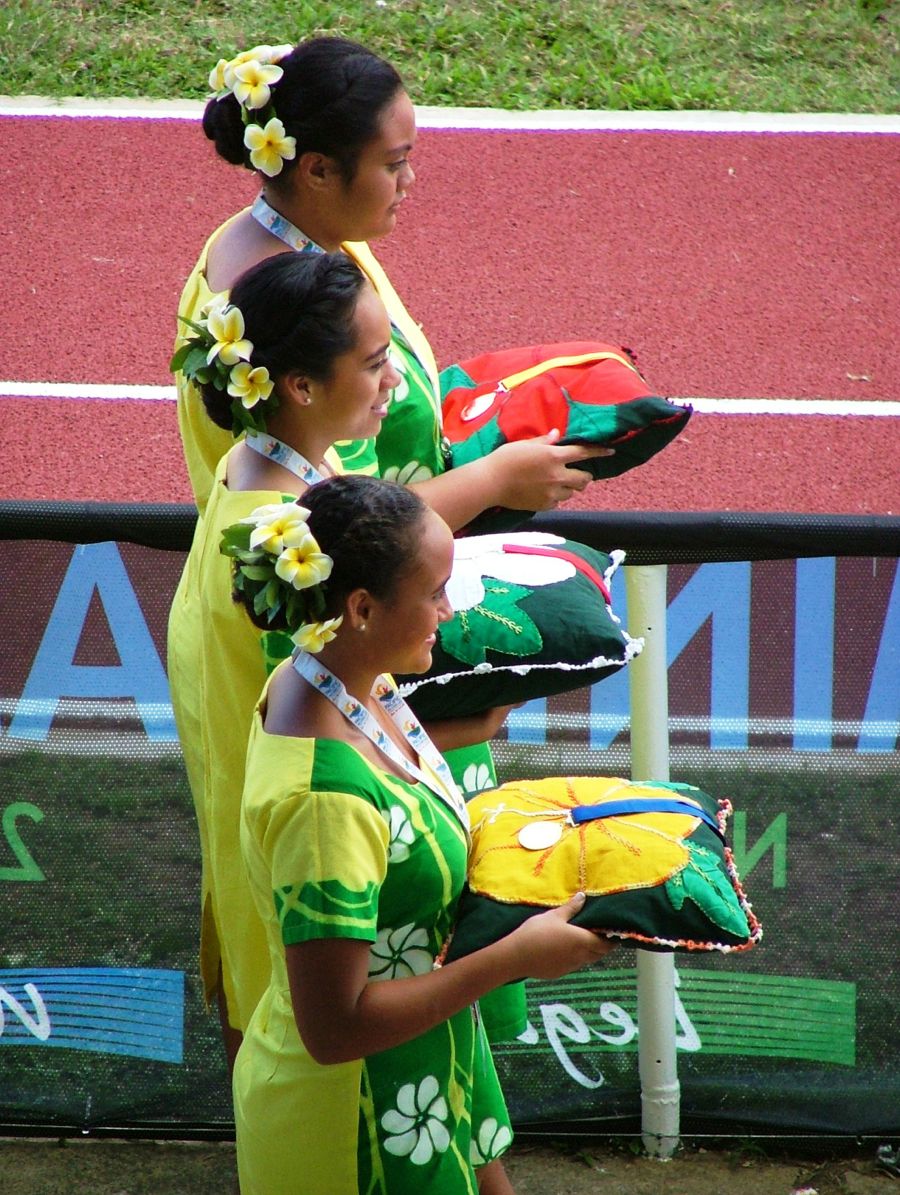
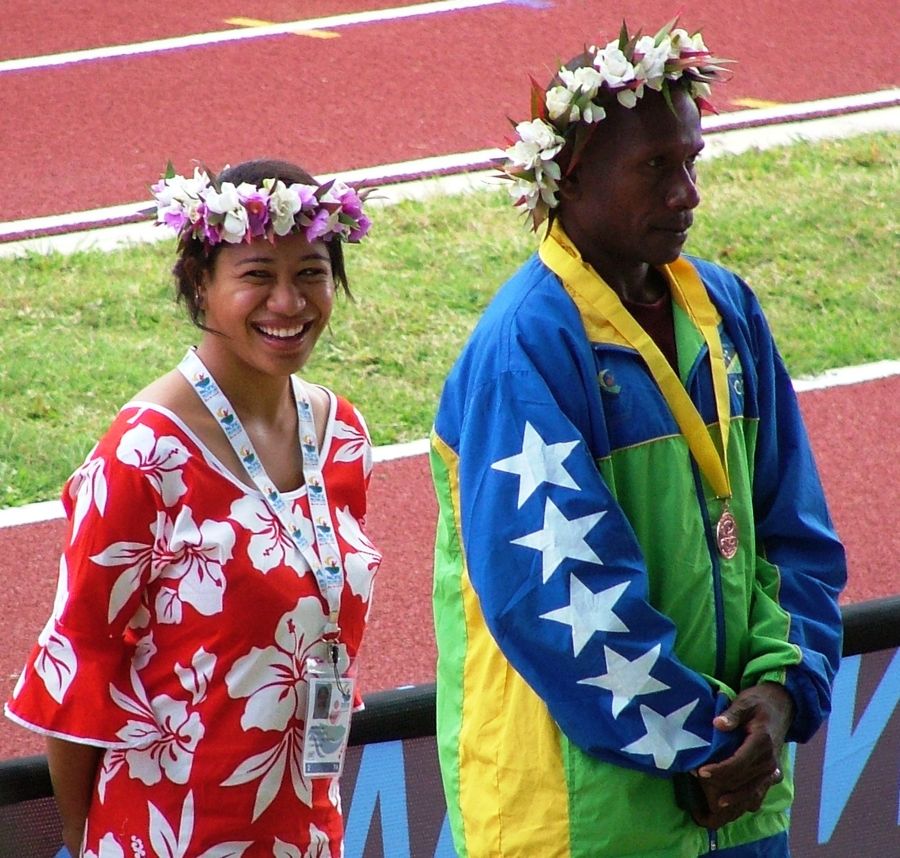
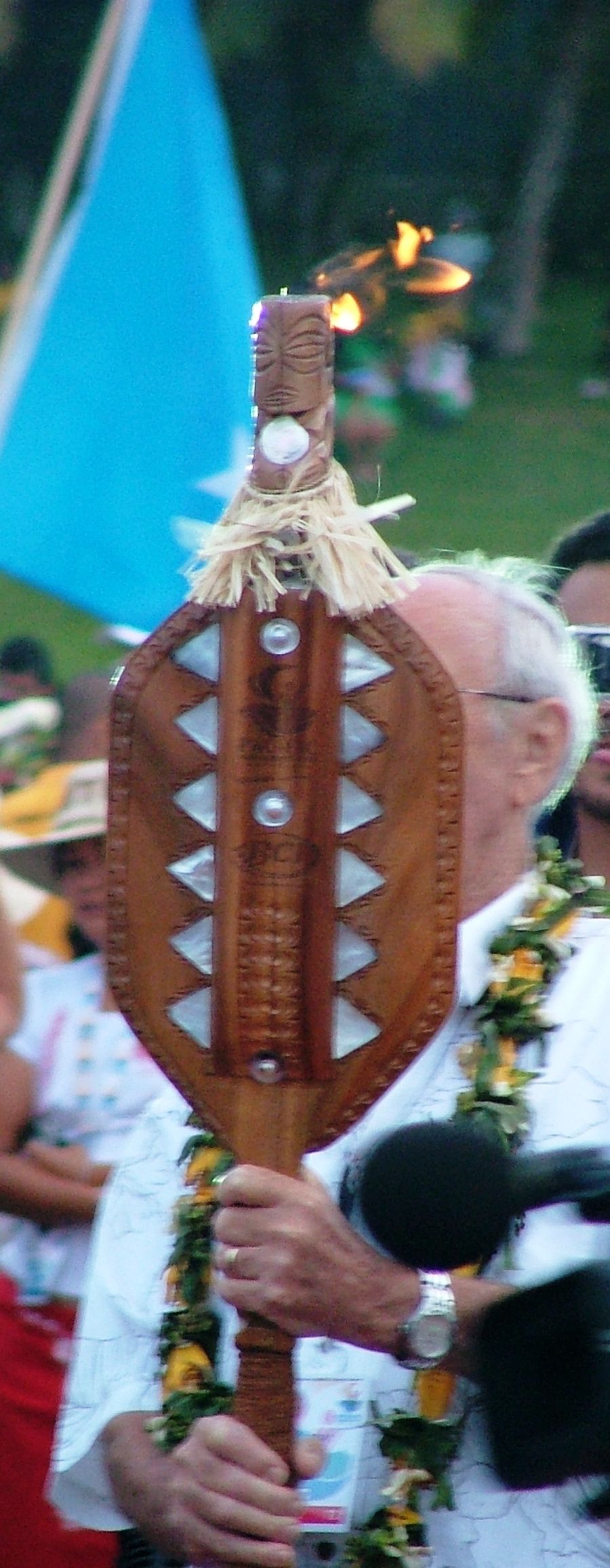
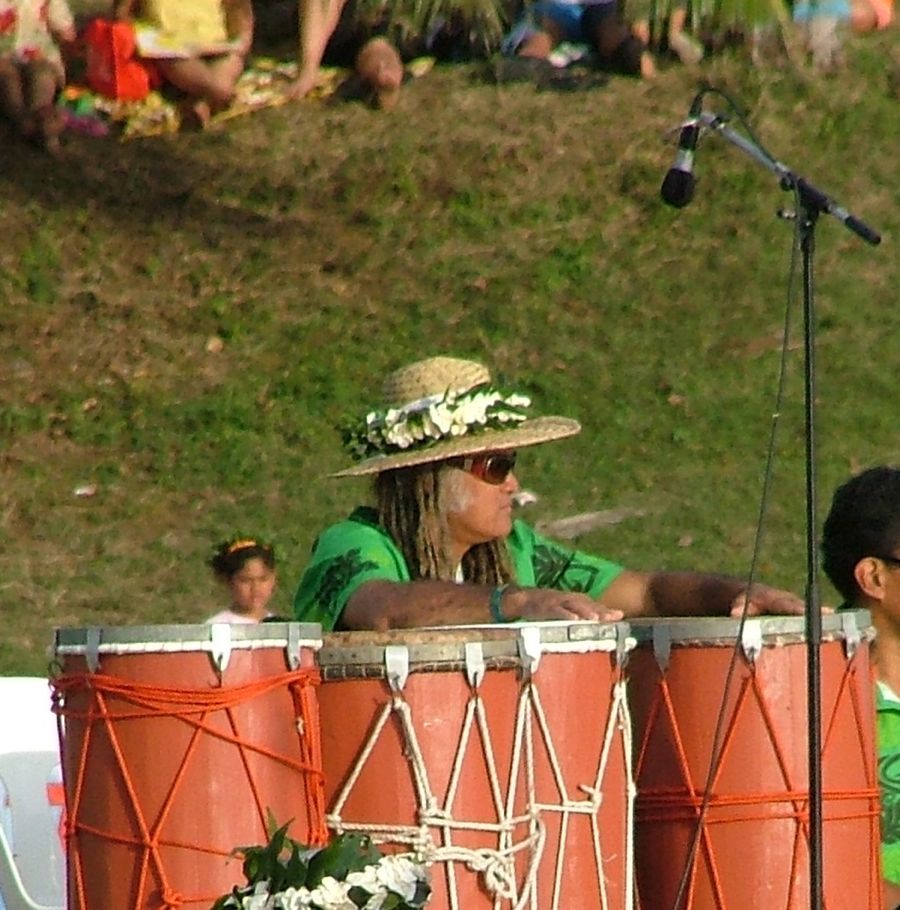
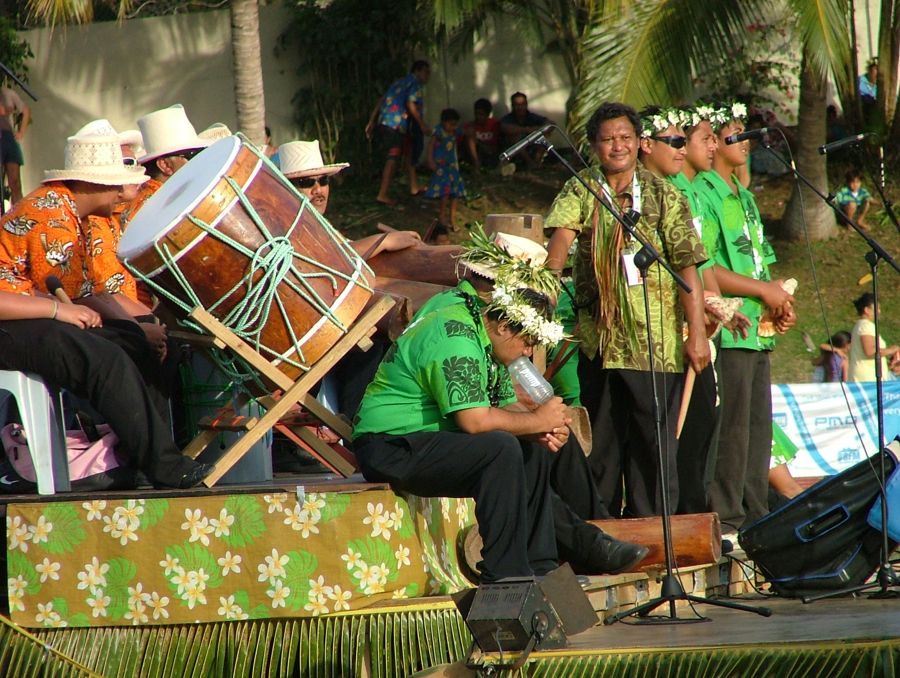
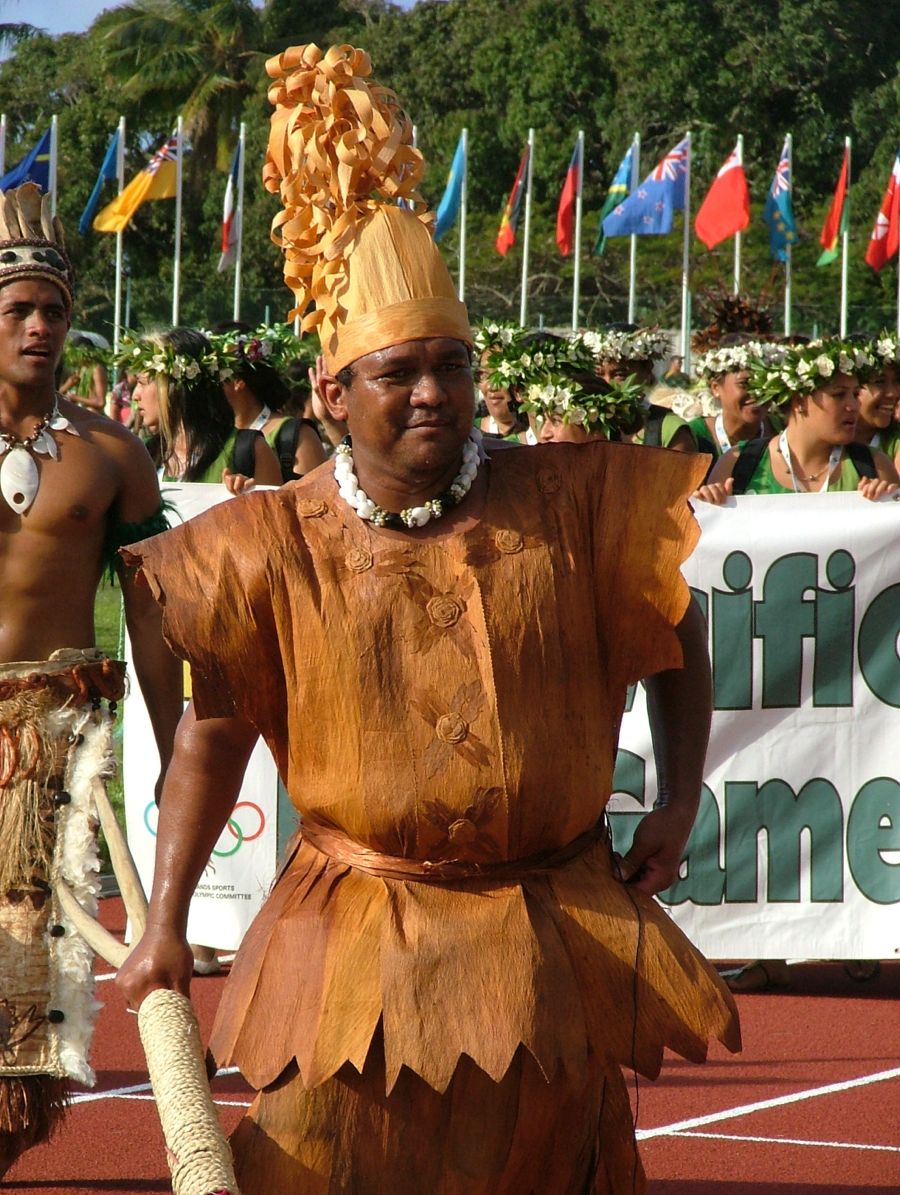
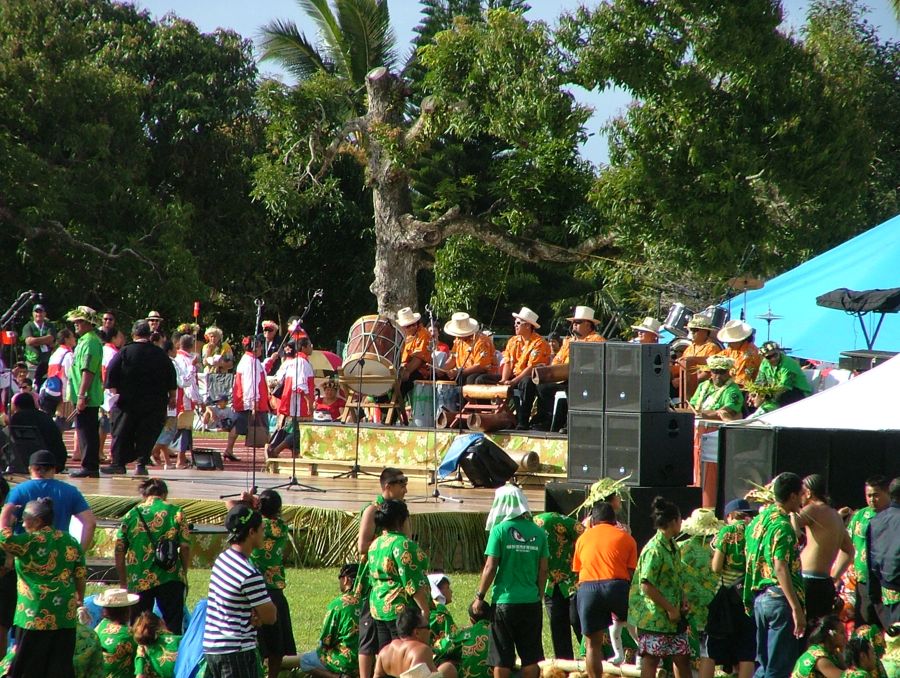
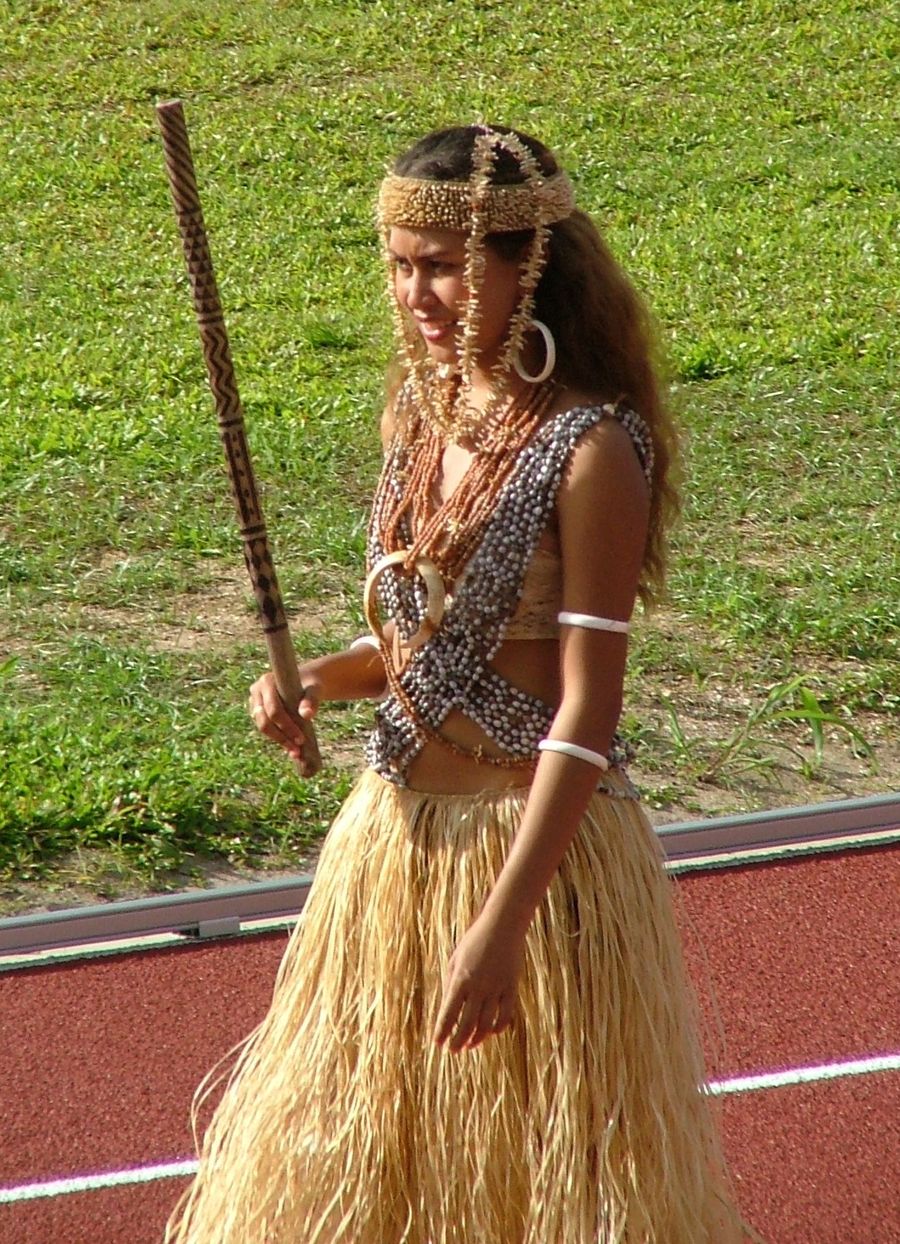
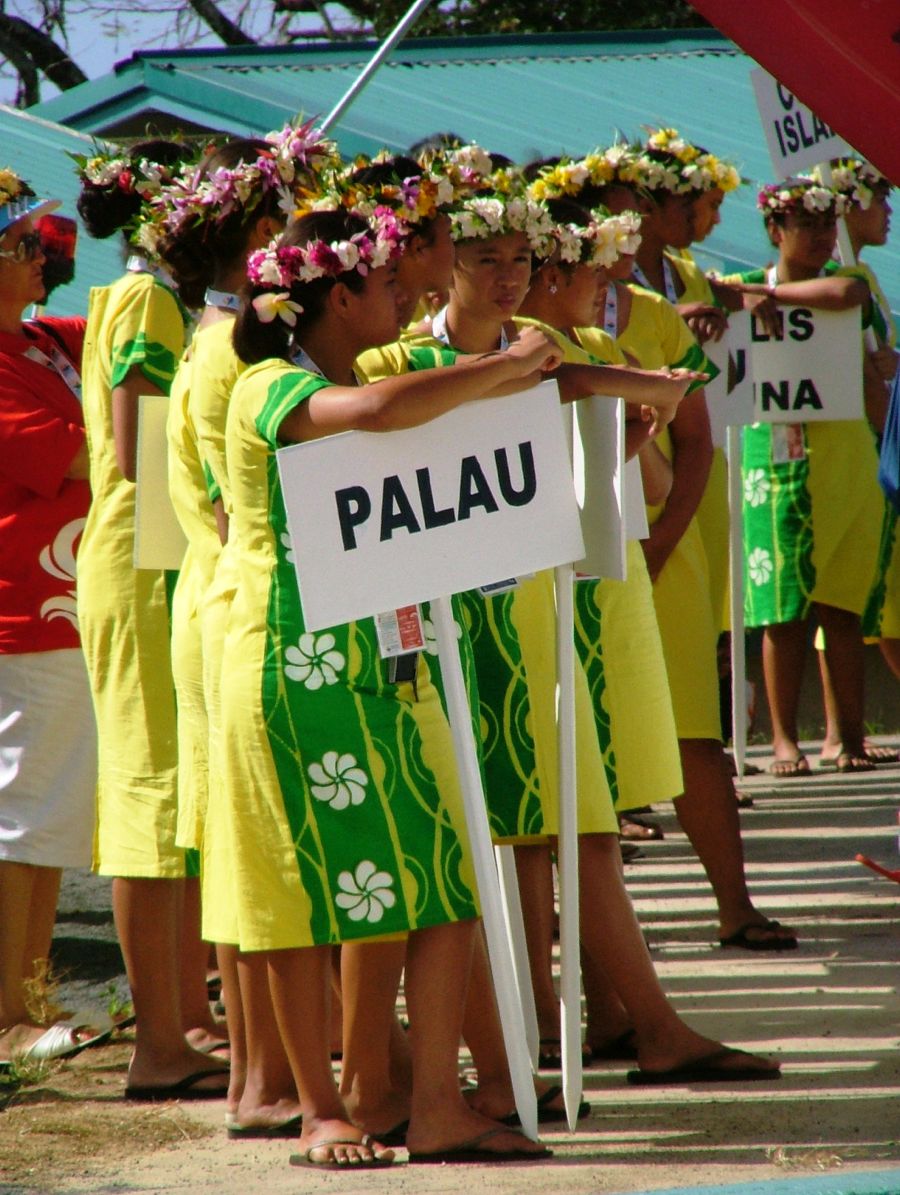
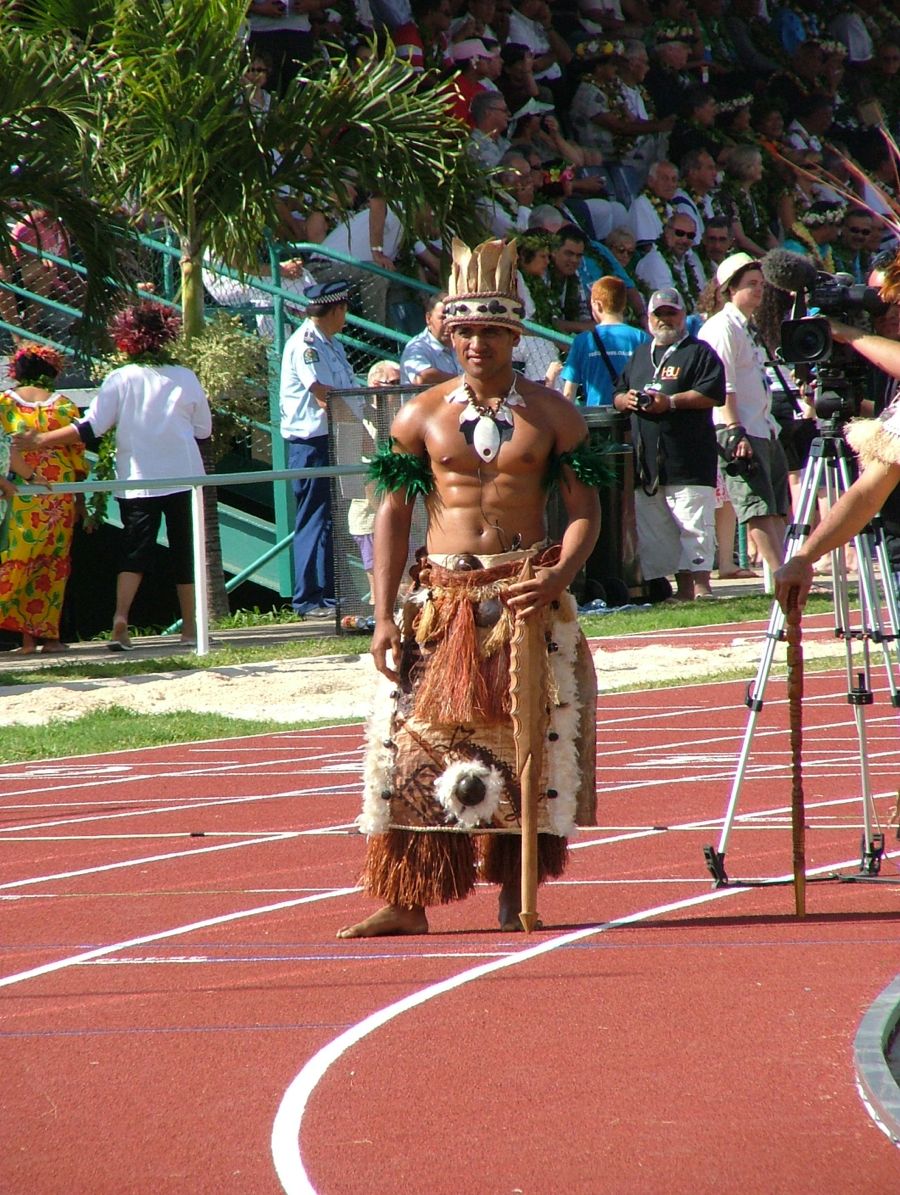
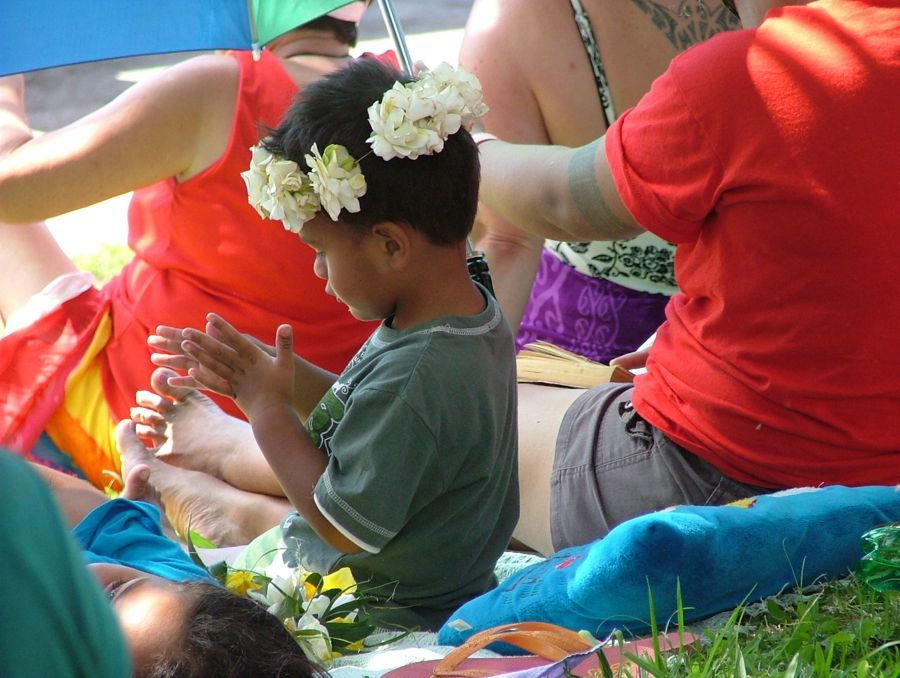
It just happened that one of the exponents of Cook Island drumming was doing a workshop that I was able to sit in on. Dr. Jon Tikivanotau Jonassen, a Rarotongan by birth, who has toured internationally with the famous Betela Dance Troupe. He has developed a unique way of notating the rhythms from the Cook Islands. It was wonderful to meet him and hear his perspective on drumming Pacific style. Below is an example of the unique Cook Island playing.
Check out more pictures/video …… Read More
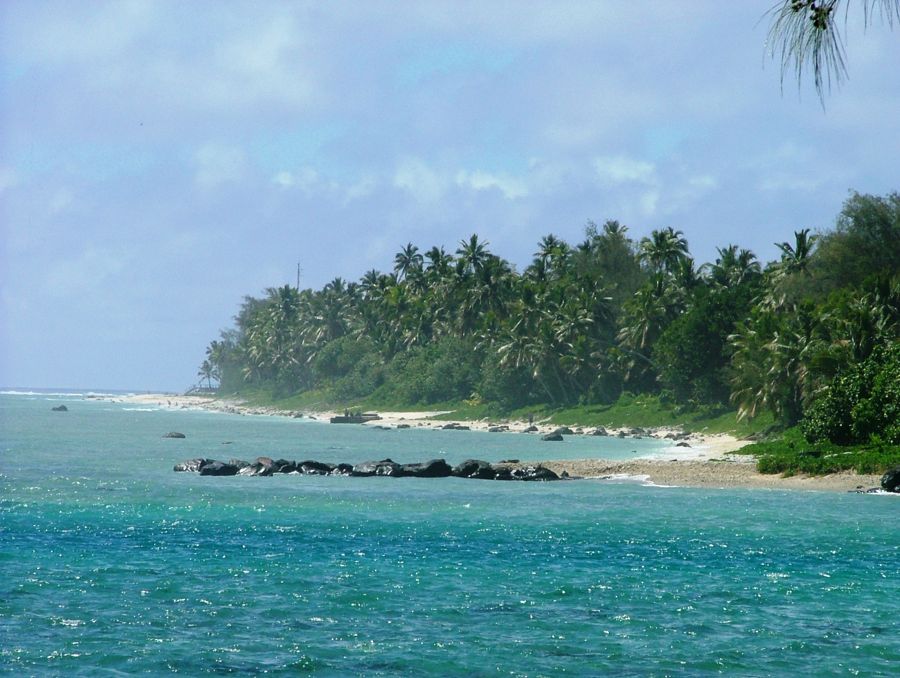
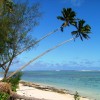
Whilst wandering in the Cook Islands – I came across a local paper, advertising that one of the masters of Cook Island drumming (now based in Hawai’i) was going to be giving a lecture. Fortunately I was allowed to sit in on the workshop and got to know some of the attendees. One drummer, Mark was a government worker and he invited me to his local drum and dance group rehearsals.
He was a mine of information about the islands and how things were slowly changing due to the influx of more and more tourists. One such story explained the cultural mindset of his people. When tourism grew the governmental leaders of all the islands came together to discuss the possibilities of supplying Raratonga (the main tourist destination) with food from the outlying islands. Extra supplies were being flown in from New Zealand, Australia and America, which was putting all the prices up for the local people. If they could supply the needs in house, then prices could be kept at a reasonable price for the He joked that you could wake up each day, shoot a hog and just eat one leg and there would still be plenty for everyone. Apparently the islands were blessed with plenty of fruits, fish and wild boar. There was one proviso if this was to work, no island time, supplies had to be provided daily and on time! Well the leaders went back to their people and for a couple of weeks everything seemed to be going fine. However the third week everything slowed down and the fourth week it stopped all together. The leaders were called back for a meeting. When asked what was happening, one leader replied “We have one question – what are we going to do with all this extra money?” It had taken them just 4 weeks to realize that they had enough. They had everything they needed for a good life and didn’t need anything else.