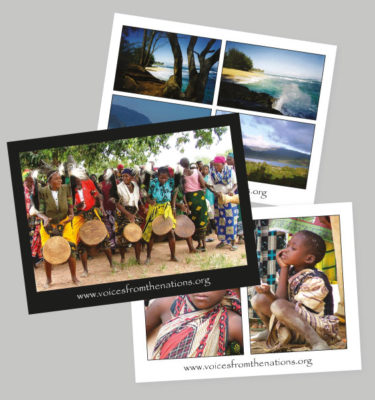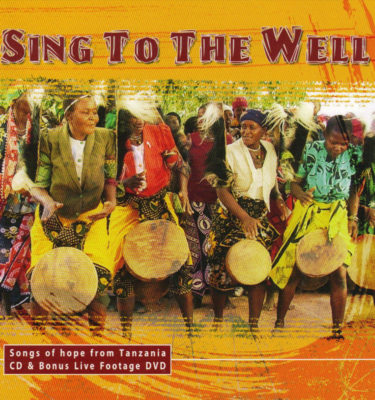
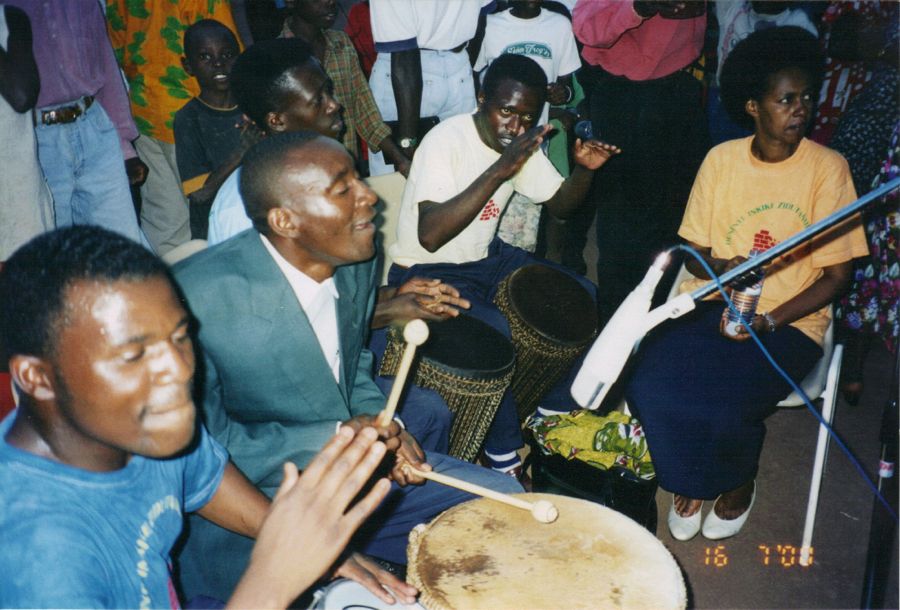
The drum plays a very important role within African culture. Musicians known as “griots” who wander from village to village telling stories, preserving and reciting the great historical traditions, blessing the people and bringing current news from afar will often be accompanied by a drummer. Like a bee, collecting and pollinating. How would today’s “griot” evoke a message?
 Check out this fascinating program on the World Service about the Slow Food movement and how we need to learn from indigenous peoples.
“Sheila Dillon hears from some of the world’s disappearing food tribes and finds out why efforts are underway to preserve indigenous food cultures in north America, Scandinavia and in Scotland’s Highlands and Islands.”
Thoughts on the journey – Read More
Tomorrow we start mixing the music for our new Cambodian project. The title of the project will be “Garlands for Ashes” and as you can see we now have a CD cover design in progress. We have enlisted our good friend Dan Weeks from weeksweeksweeks to help with the mixing. We are hoping the project will be out for the summer … so we will keep you posted.
This made me smile …. loved the music too.
One of my first experiences with the Kodo drummers was when I was part of their first ever workshop in London. They are an amazing group who live together in community on a small island of Japan.
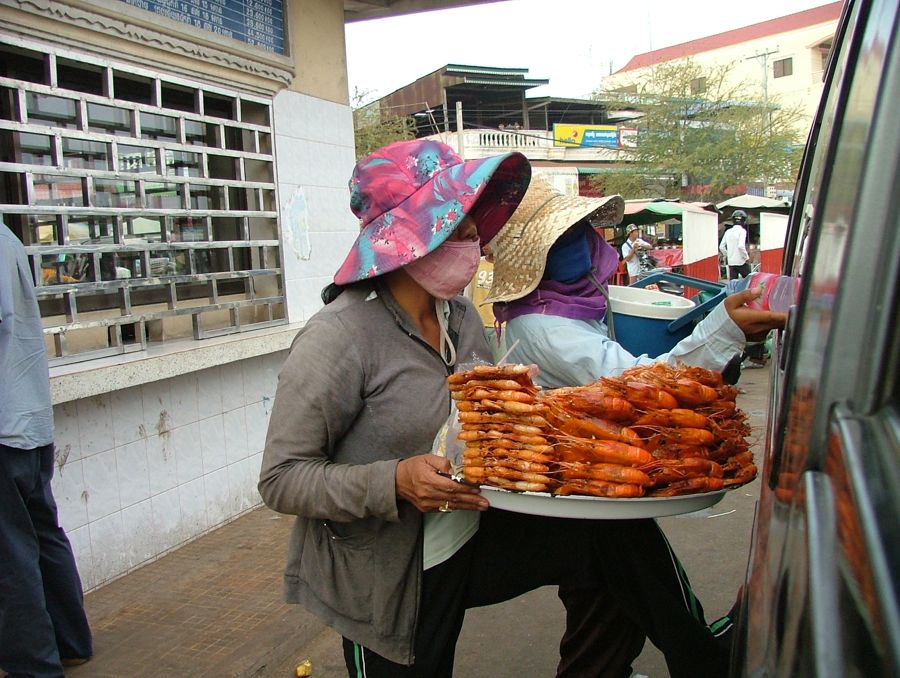
Before the sun had risen we set out travelling from the city of Phnom Penn along increasingly bumpy roads to rural Prassat. As we watched Cambodia raise her sleepy head, even at this early hour we saw an impoverished yet industrious people busy trying to eke out a living. Reaching the Mekong River we waited to catch a small over-loaded car ferry whilst being accosted by traders repeatedly urging us to buy cockroaches, beetles, grubs and all manner of delicious traveller’s snacks! Having paid for our crossing, the next step was not so easy. Bribing is now common occurrence through all strands of life, (a legacy some say of having to find any means to survive the Pol Pot genocide), and because our host wouldn’t play the game we had to wait whilst others were put on the impossibly rickety ferry first. Read More
I have many stories where music has played a part in bringing healing. I remember reading a book called “The Healing Drum” written by Yaya Diallo many years ago. In the tradition of the Minianka, music is a remedy for both physical and psychological imbalances.
Recently I read on the BBC web site “Musician Simon Lee, from Kent, is called on to teach drumming to patients with problems ranging from addiction to autism, and learning difficulties to mental health issues. He has even offered help to terminally ill patients needing palliative care. And he says the results are amazing.” Check out the rest of the article here.
In many shamanic societies, if you came to a medicine person complaining of being disheartened, dispirited, or depressed, they would ask one of four questions: When did you stop dancing? When did you stop singing? When did you stop being enchanted by stories? When did you stop finding comfort in the sweet territory of silence?
Was it the wind in the trees that got man to recognise the possibilities of using our breath to create sound through bone, cane, wood and plants? If vocal sounds were the beginnings of music, and percussion a close second - then maybe wind instruments were next in the exploration of sound and music. The day when man realised that a bone or a plant had its own voice must have been a special moment.
Another creative way to play the piano!
I was very fortunate to be invited to a First Nations pow wow many years ago – the drumming and singing are so powerful.
Here is an amazing video from Sweden showing music bringing life to commuters.