
History for some reason defined the continent of Asia as east of a line joining the Urals with the Caucasus and the Black Sea. The incredible thing about this amazing landmass, is its enormous diversity in land, climate and people. Its music stretches back for over 3000 years and can be quite a stretch for Western ears, not just in the sounds, but in the philosophy behind it. And what incredible sounds, from the percussion based classical music of Thailand, Tuvan throat singers in Mongolia, Indonesian pop bands, the poetry of the Arab world to Ravi Shankar's sitar music that influenced so many in the 1960's.
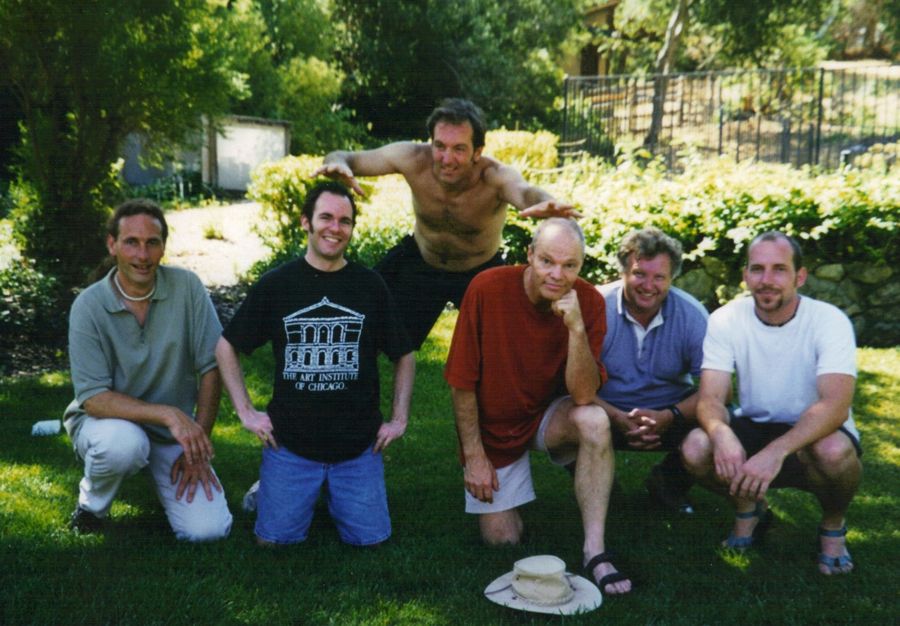
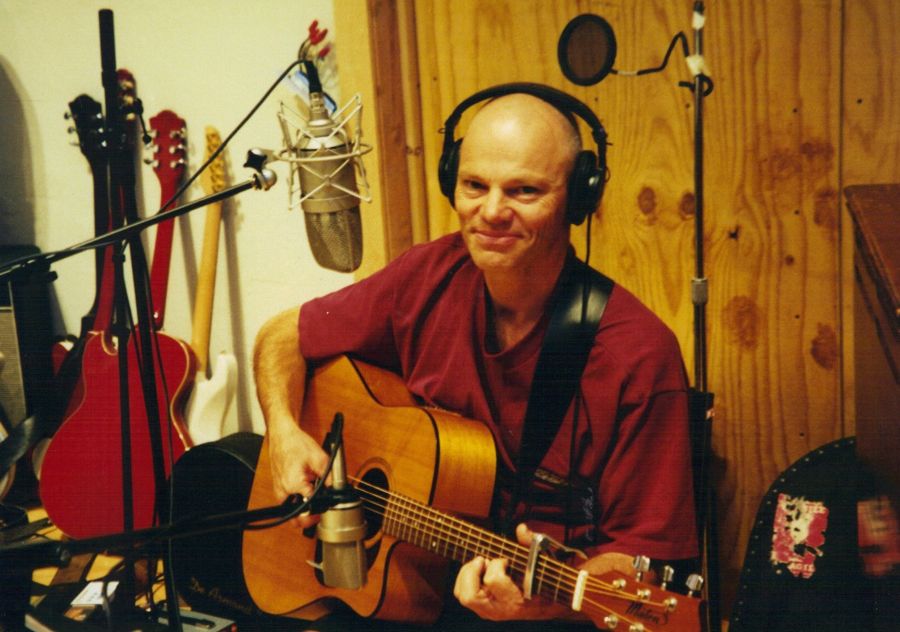
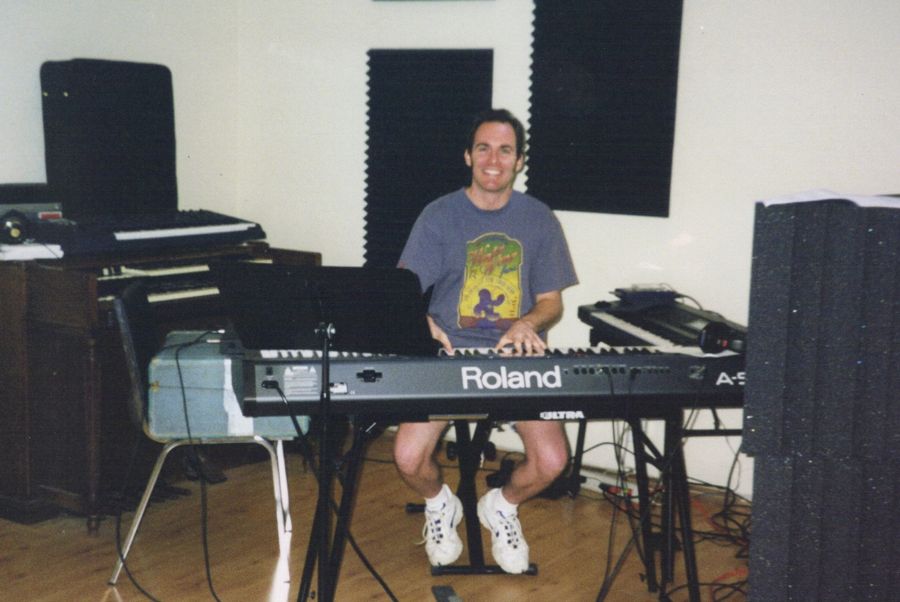
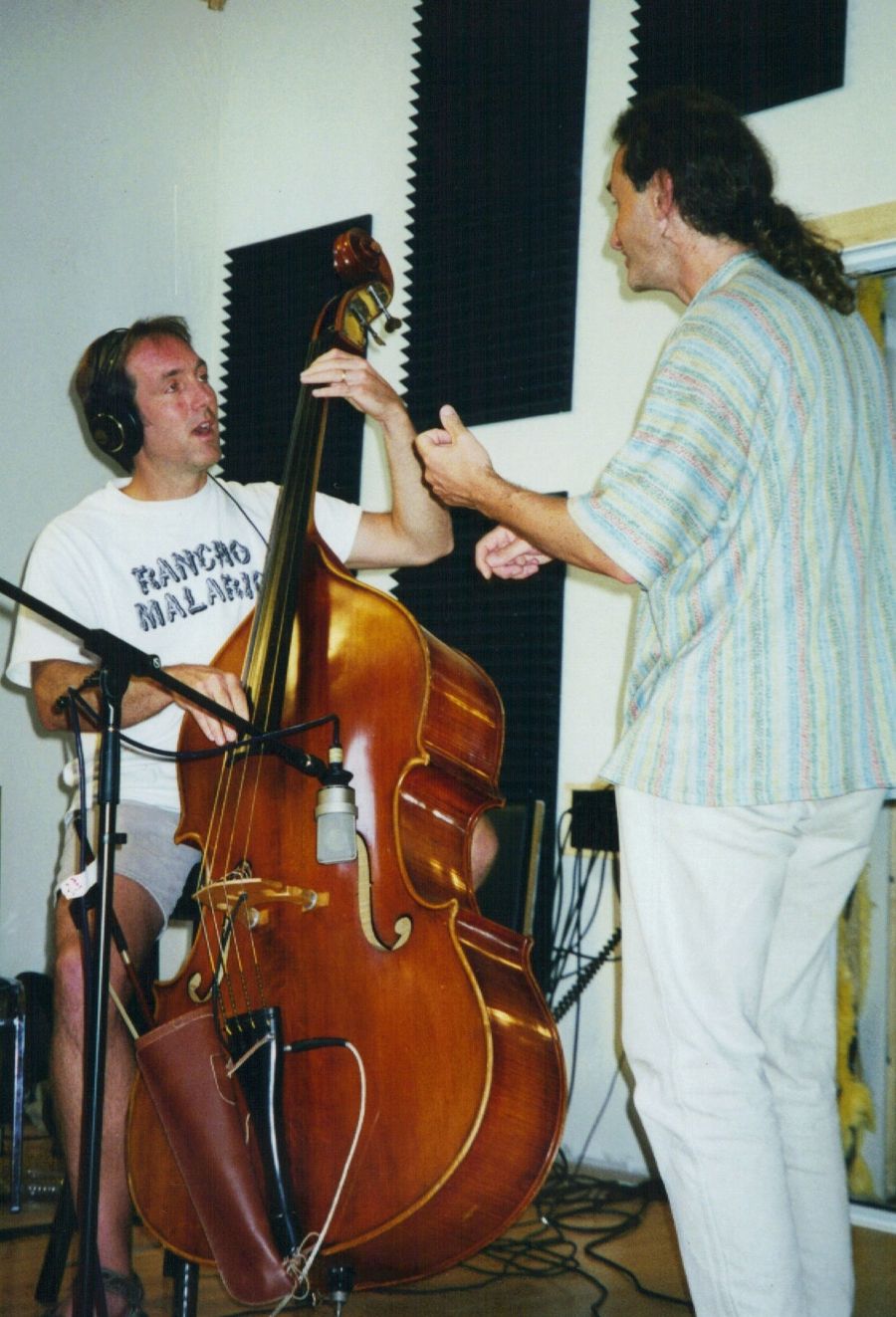
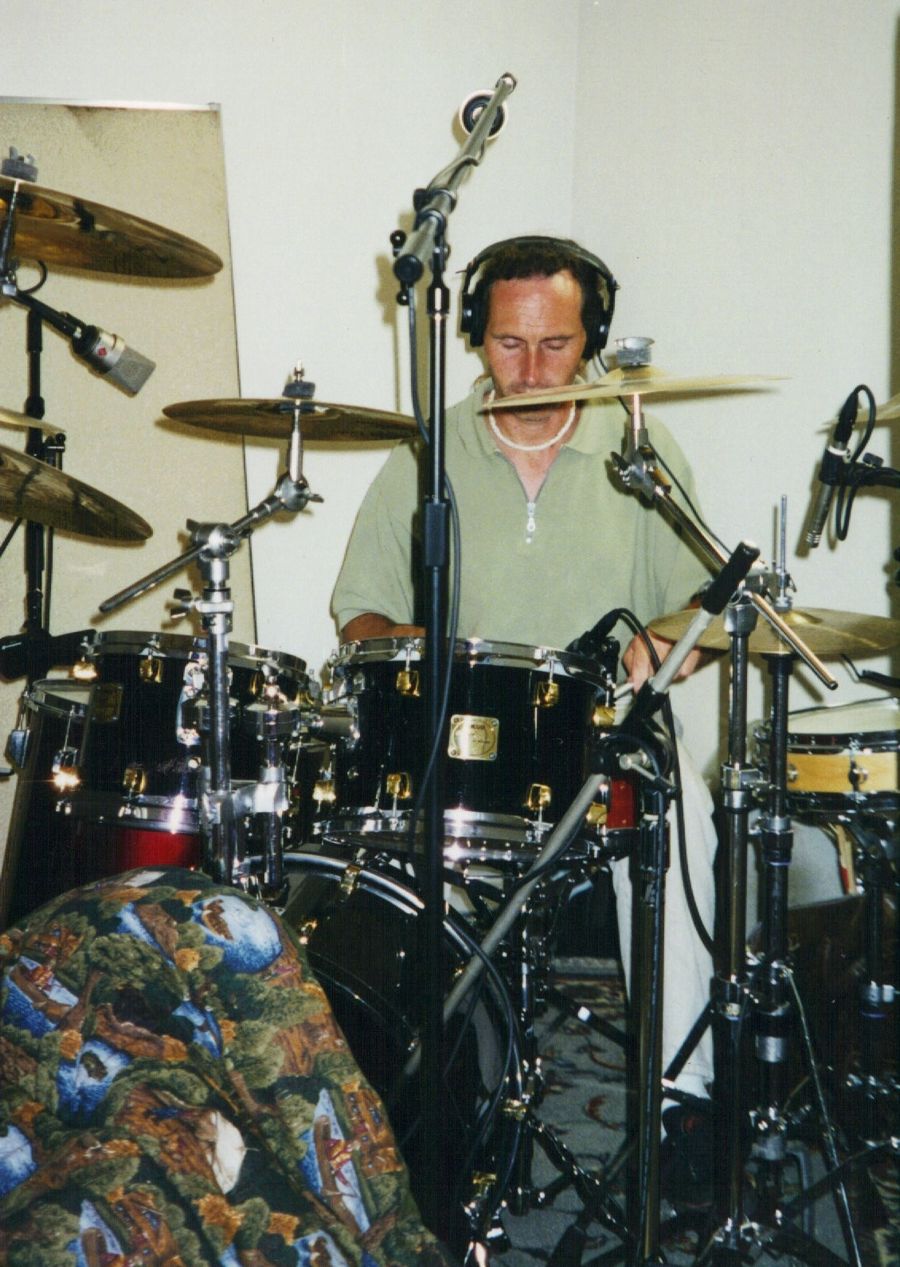
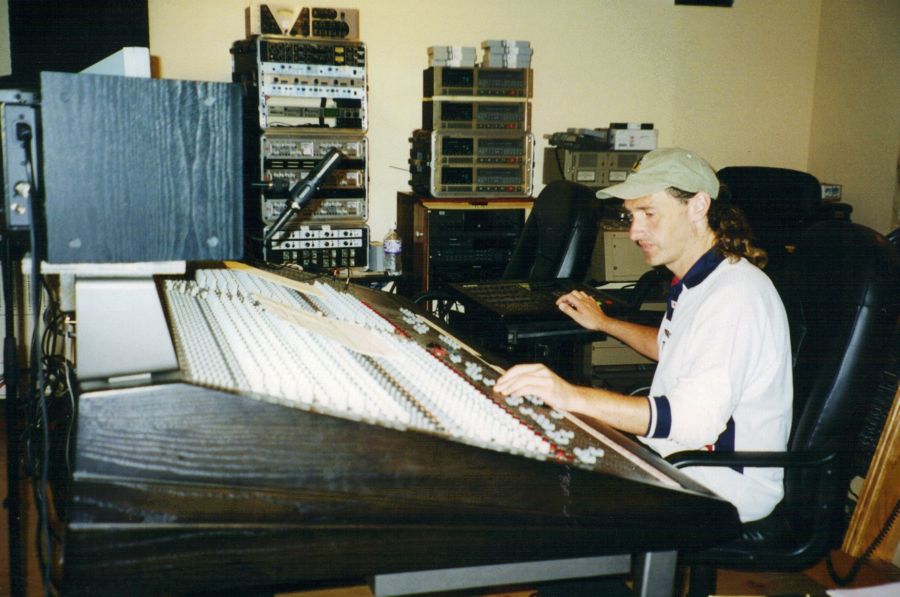
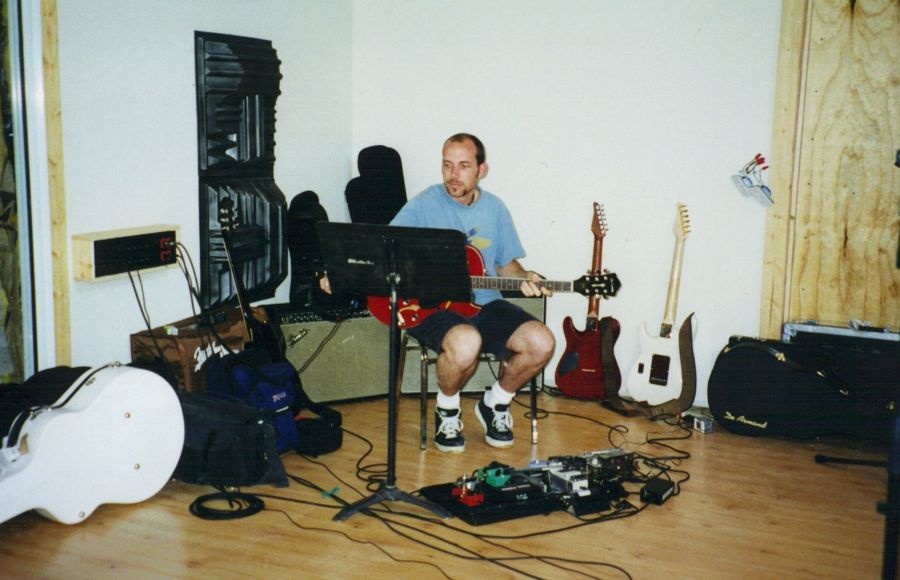
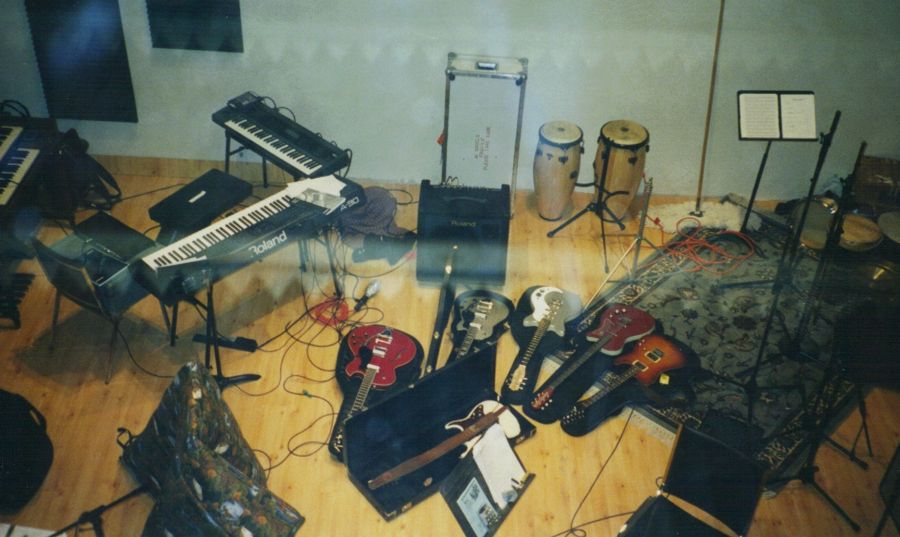
Martin travelled, on his own this time, to record a C.D. with Jo Vogels. Martin has played on and produced an album for Jo before, and they’ve been friends for a number of years. (In August Jo flew over from Australia and spent a week with us at our home, doing pre-production work. We had a lot of fun with Jo playing his songs and Martin making suggestions about style, timing, dynamics etc..) Whilst out in the States we even had time for some paddling …… Read More
22nd April/30th May
Reflections from the Garden Isle.
He wai ua, ua ka ua
(Indeed, it rains. It rains upon the land.)
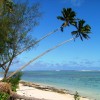
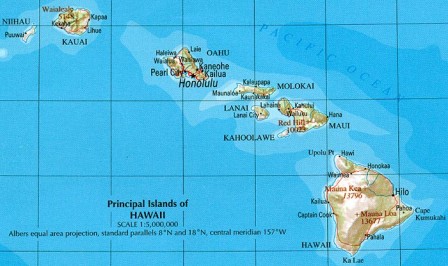
For six weeks the island of Kaua’i, one of the oldest Hawaiian islands became our home. Known as the garden isle for its amazing plants and stunning fauna, and also renowned for being the wettest place in the world. An extinct volcano stands high in the middle of the island and is nearly always topped with rain clouds. Because of its beautiful beaches, rugged terrain and tropical climate, the island has become a tourist haven, famous for the number of films that have been set within its shores. Read More
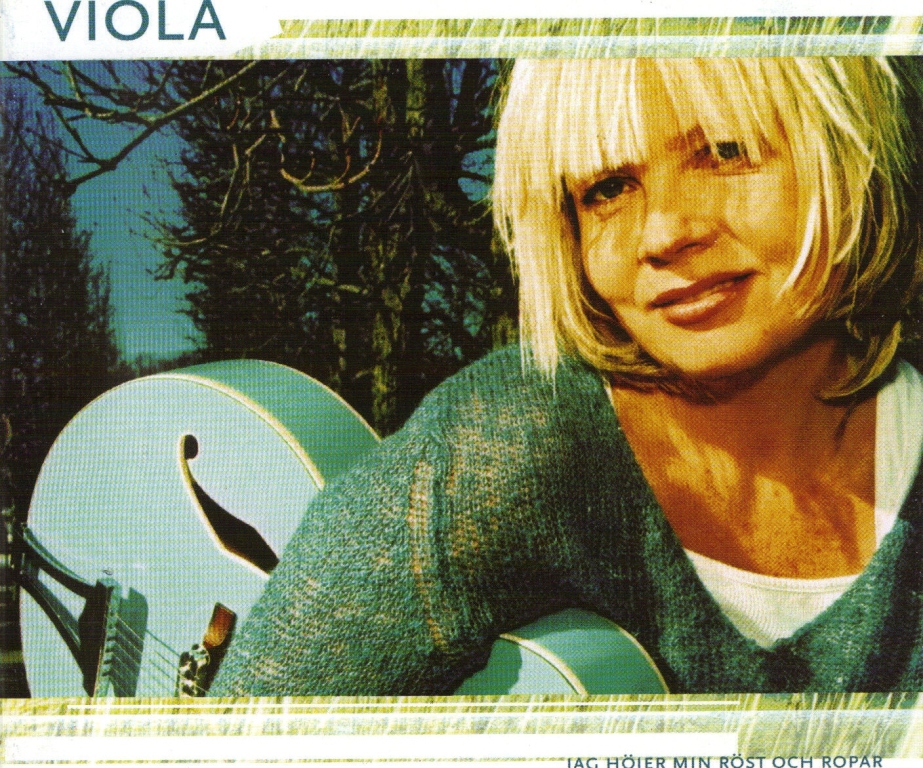
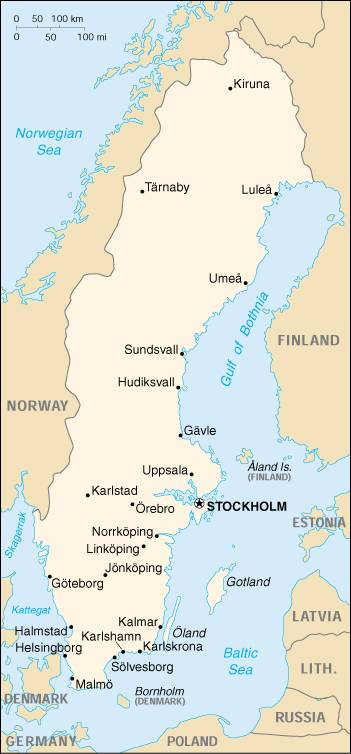
Visited Claire and Graham Wilson who are now based in Stockholm, and worked on a Swedish recording project with Viola Grafstrom.
This will be Viola’s first recording in her heart language, Swedish. She has recorded a number of albums in English. Only a few gospel albums are recorded in Swedish. Check out a song from the project below.
Vår Herre vår Konung
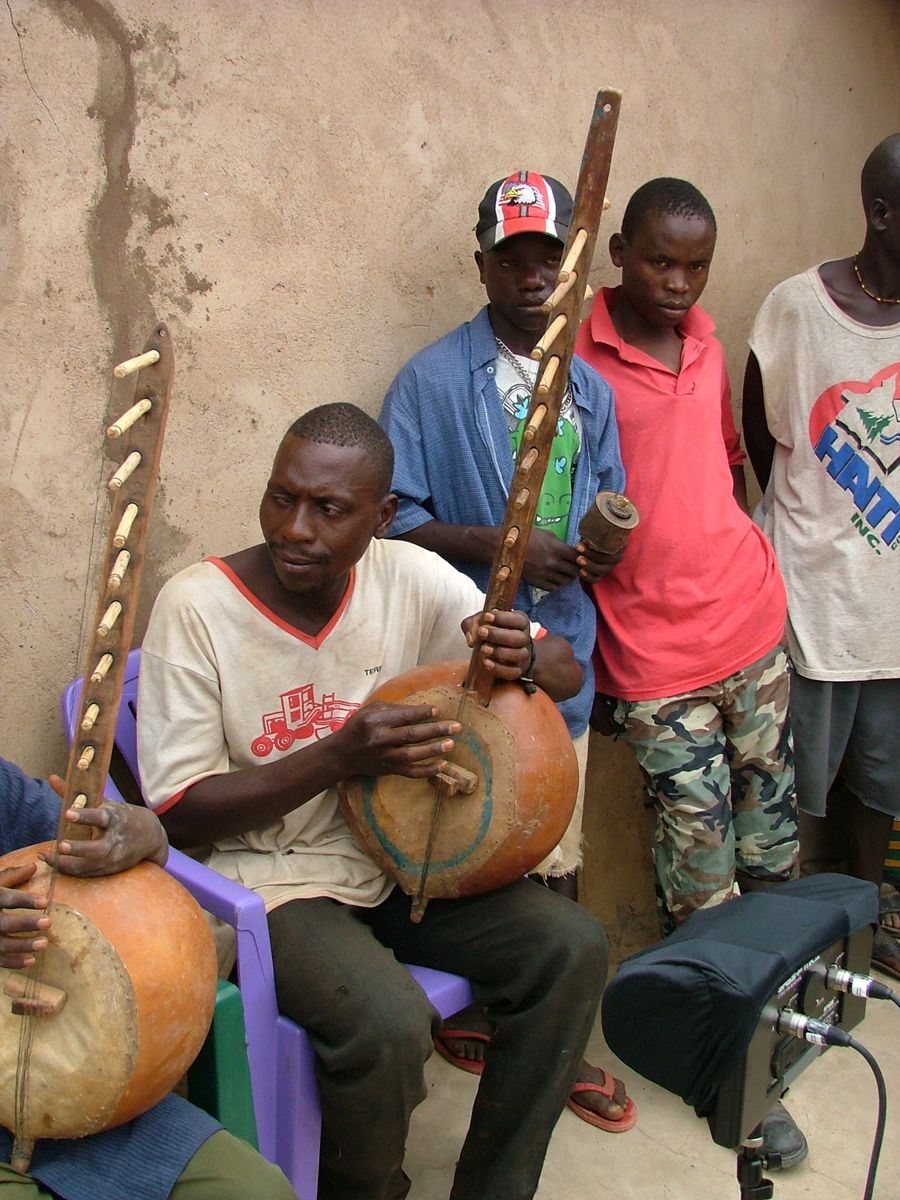
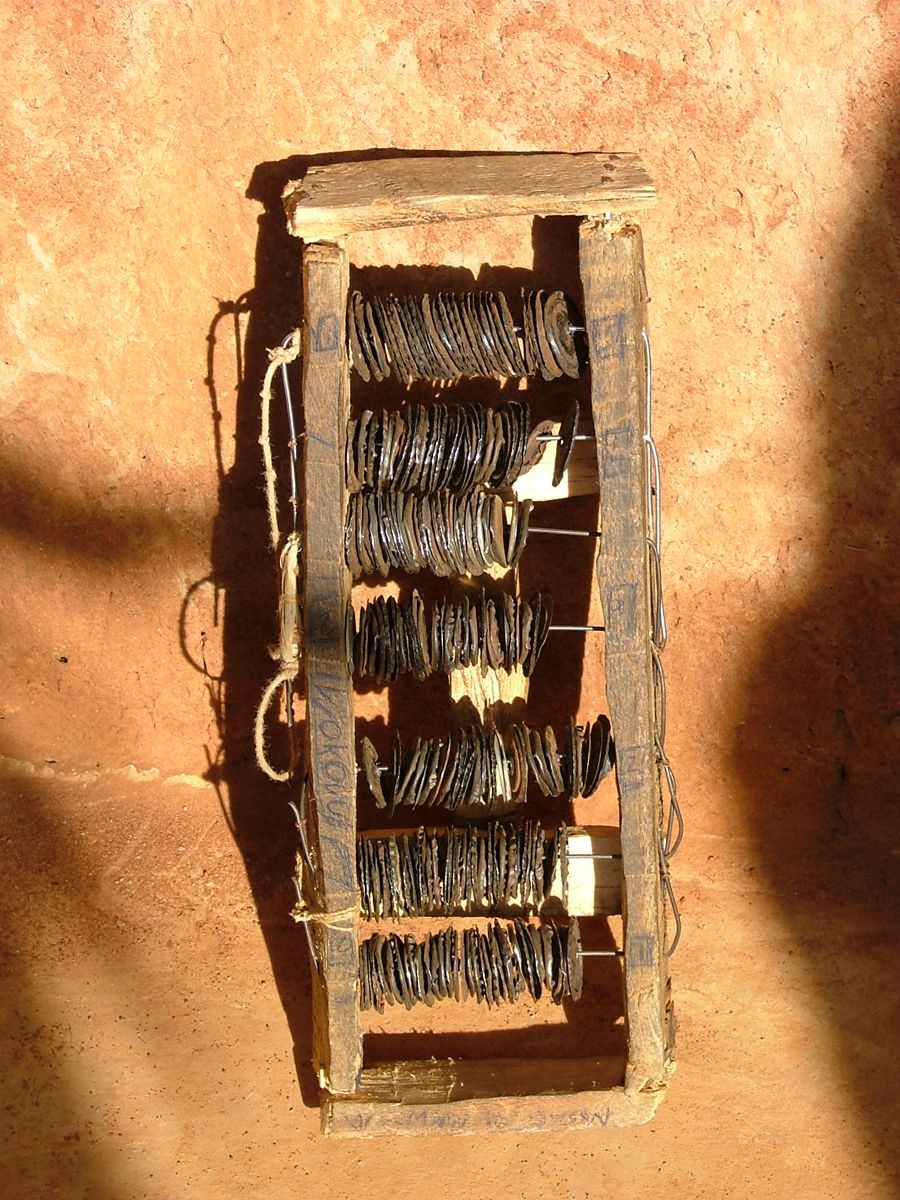
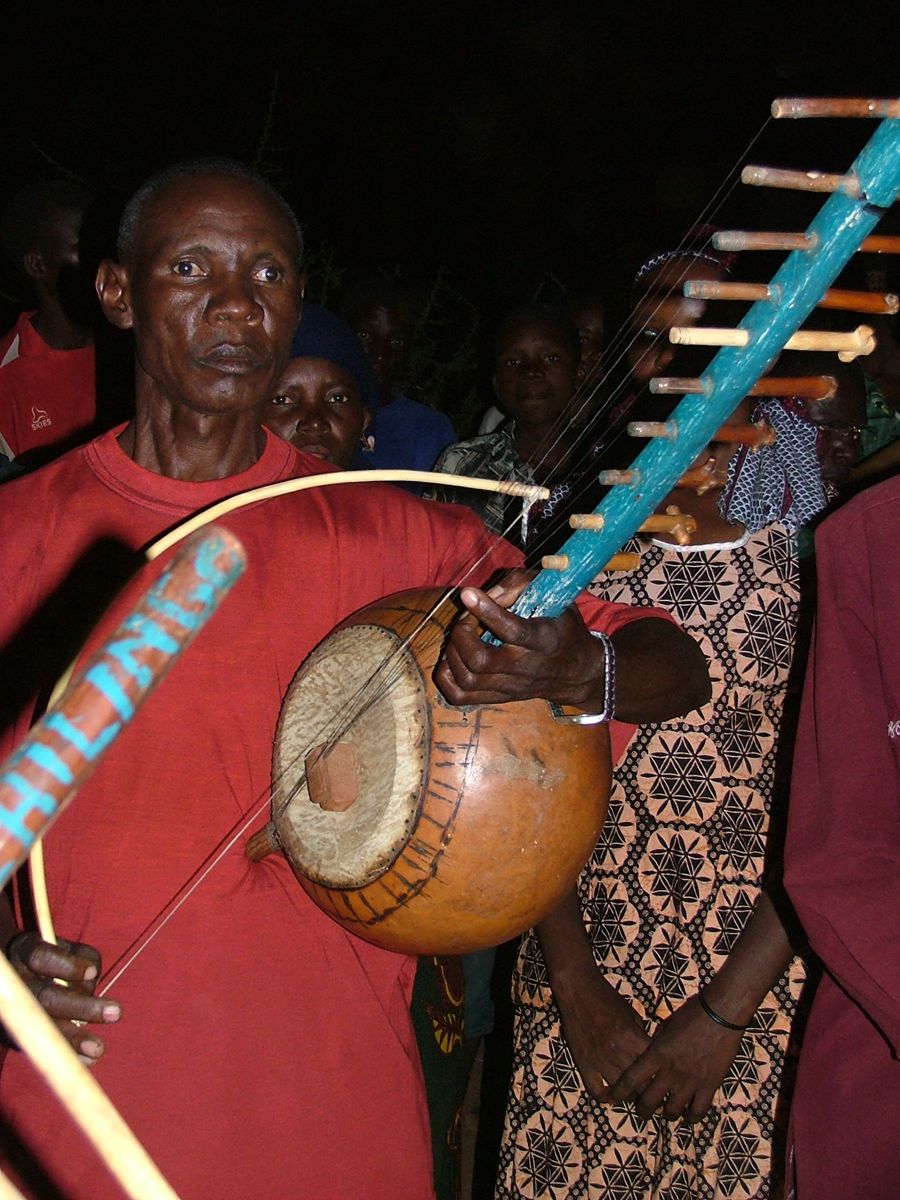
On my travels in 2000 I picked up this instrument called an Inanga. To be quite honest I call it a “canoe with strings” …. but really it is a lyre like instrument known as a trough zither.
Interested in more traditional Rwandese music? Then check out Cecile Kayirebwa’s album called Rwanda.
2/3rd Feb Malmesbury, UK, Rwanda recording
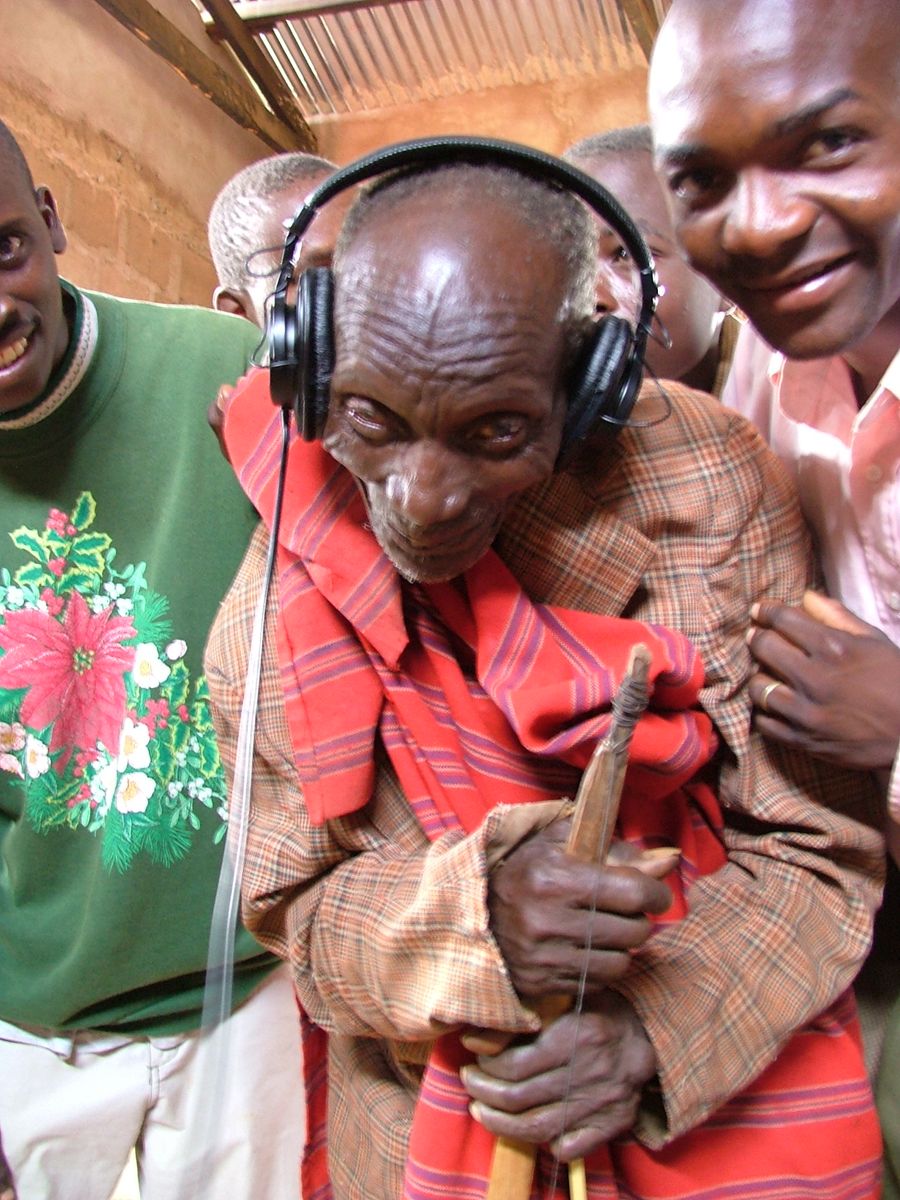
I had a great couple of days recording the latest CD project for Rwanda with Dave Bankhead. This is the 3rd recording that I have been involved in for Rwanda. The recordings have helped build reconciliatory steps between the Hutu’s and Tutsi’s since the genocide over 10 years ago.
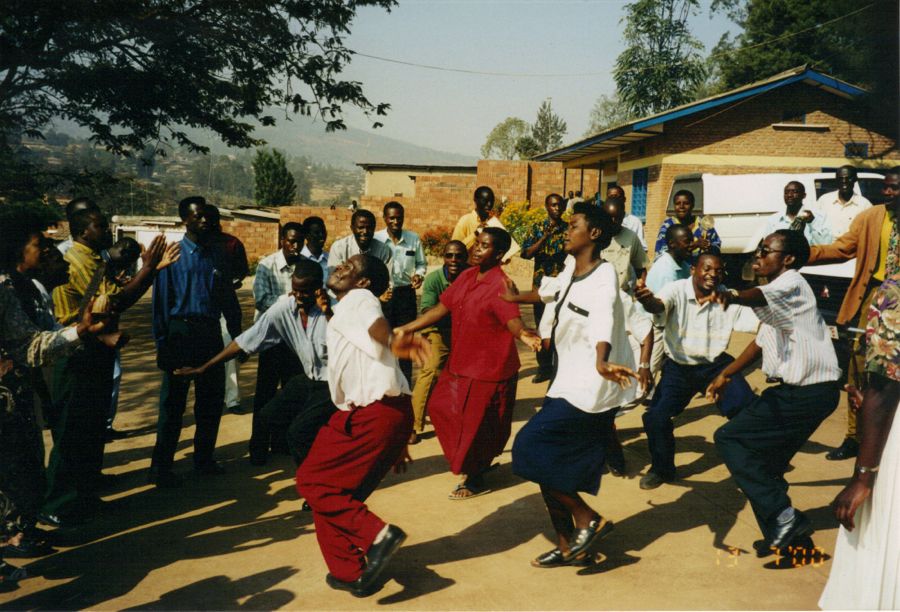
Dave has now been out in Africa to record the vocals and got a great response from the people. They are looking forward to using the songs in a celebration of 10 years of peace in July in Kigali. You can check out these projects at www.weareone.org.uk
Ikinimba
Read Martin’s report of travels in Rwanda, July 2000 here. ♥
In the Czech Republic my wife and I were invited to a refugee camp. This camp had many people from many different cultures and backgrounds. Through the long process of governmental bureaucracy, it had left the people incarcerated with very little hope, losing their individuality and uniqueness to becoming a number in the system. I collect instruments from all over the world and as I played these different instruments people starting re-connecting with their own stories. A lady from Ghana heard an African rhythm and she found herself not able to keep still and with encouragement she was soon dancing before us all with all her might. Next 2 Indian men asked if they could sing a song from their village. The dancing and singing brought life to the other people watching and slowly, one by one, others emerged from the shadows to share songs, dances, verse and music. A mundane day had been changed into an amazing pageant of the stories and colours of the world in which we live in. A bridge of hope and belonging had encouraged the people and we later heard that that day had been a talking point for many days in the future.
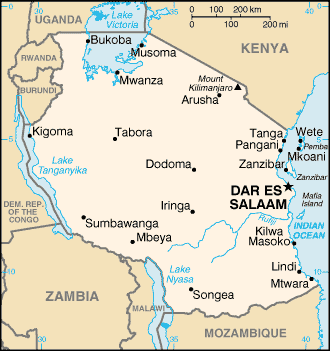
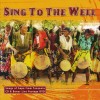
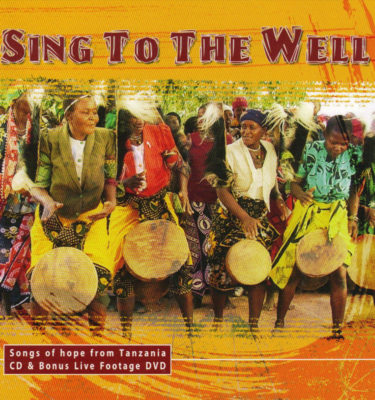
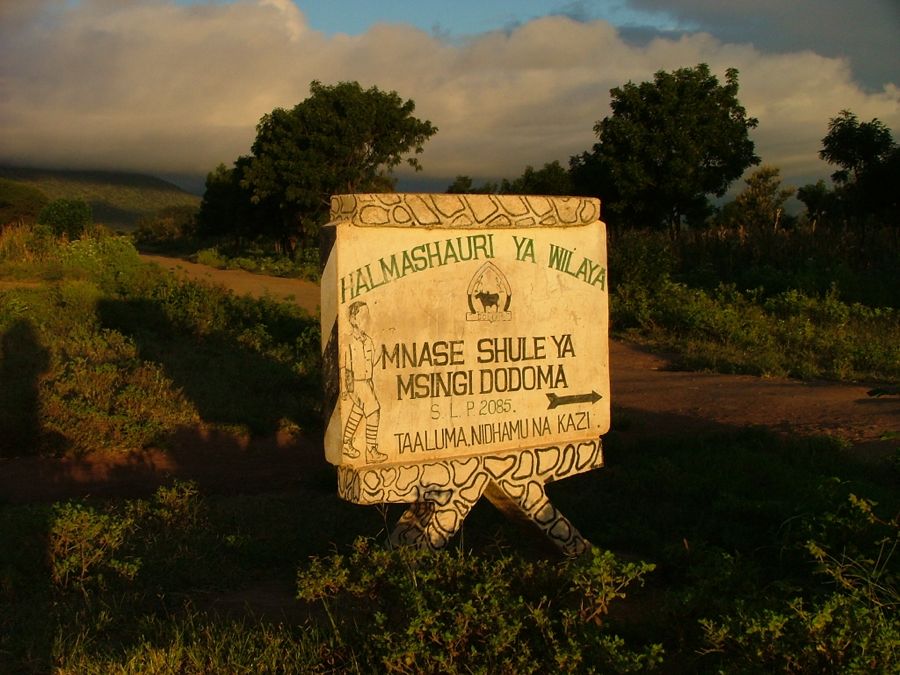
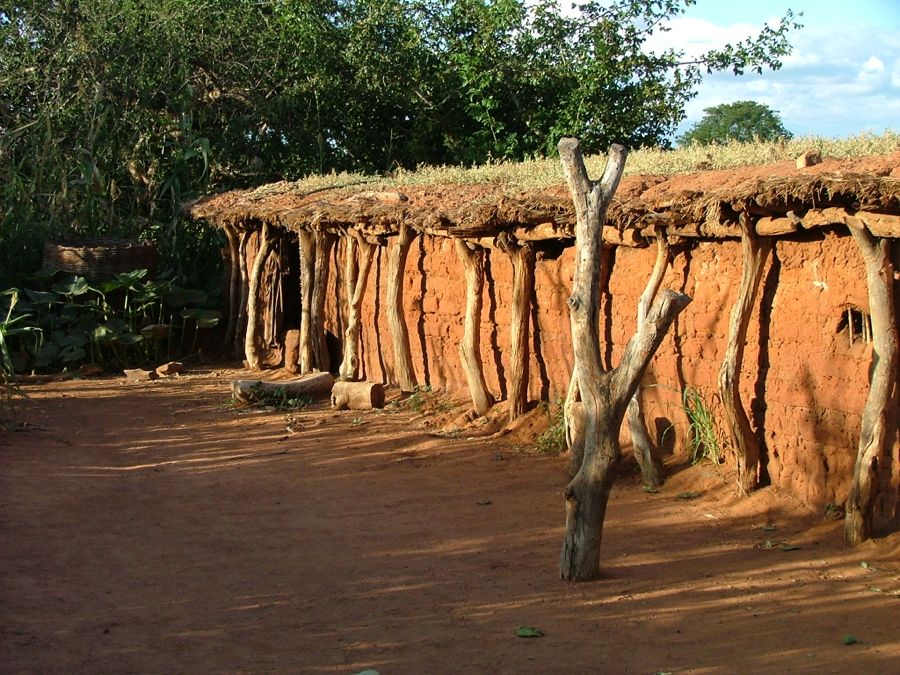
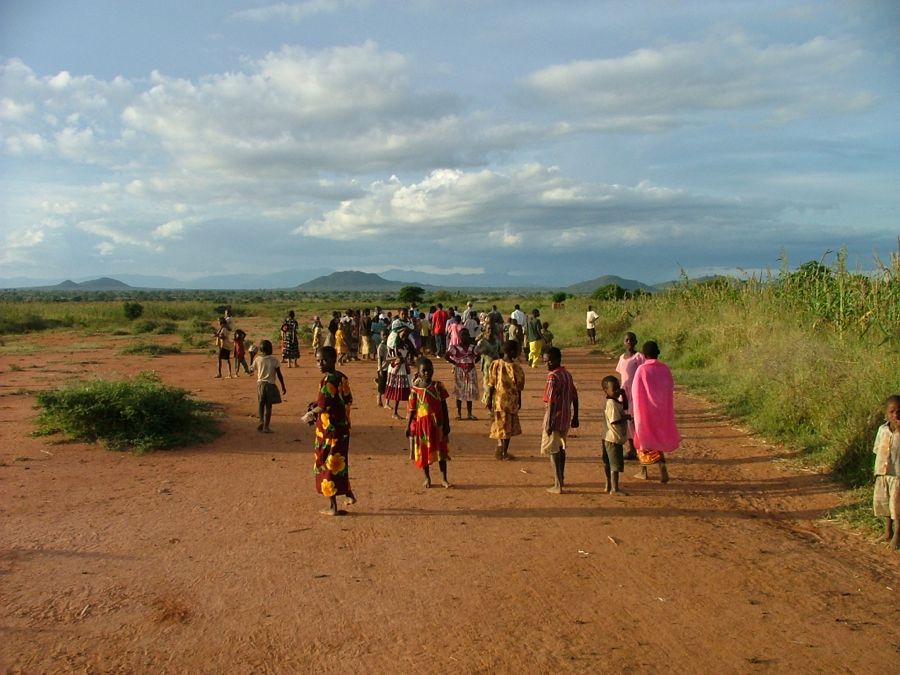
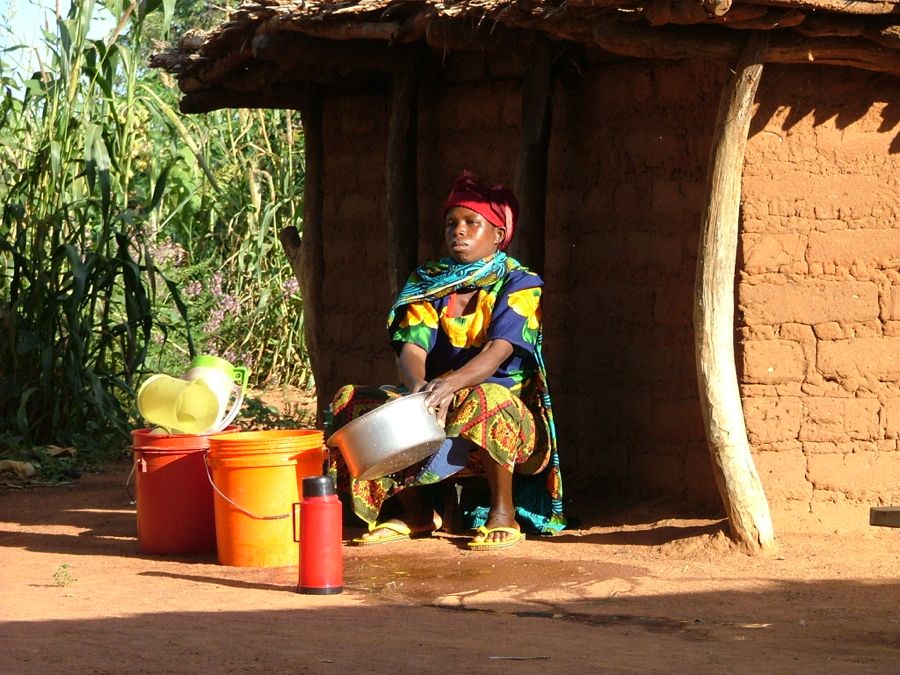
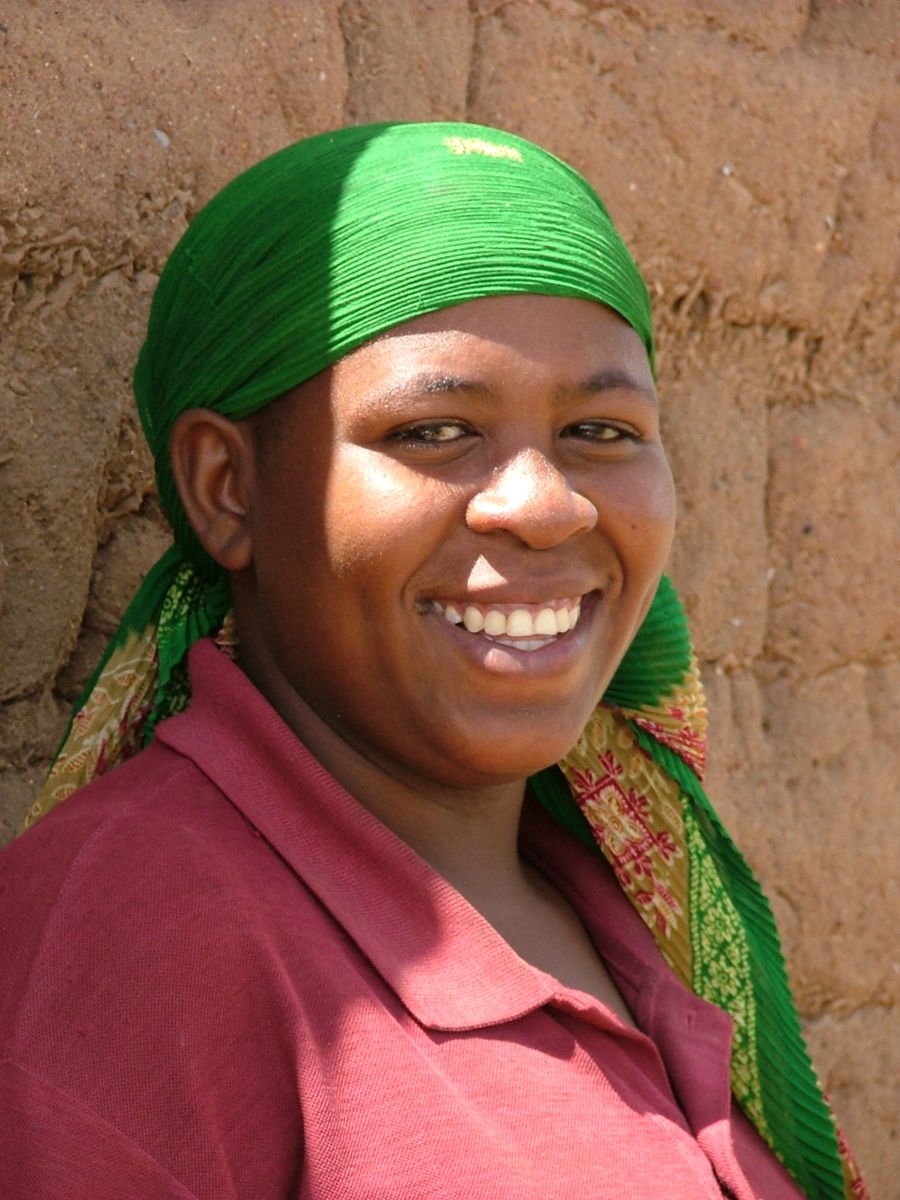
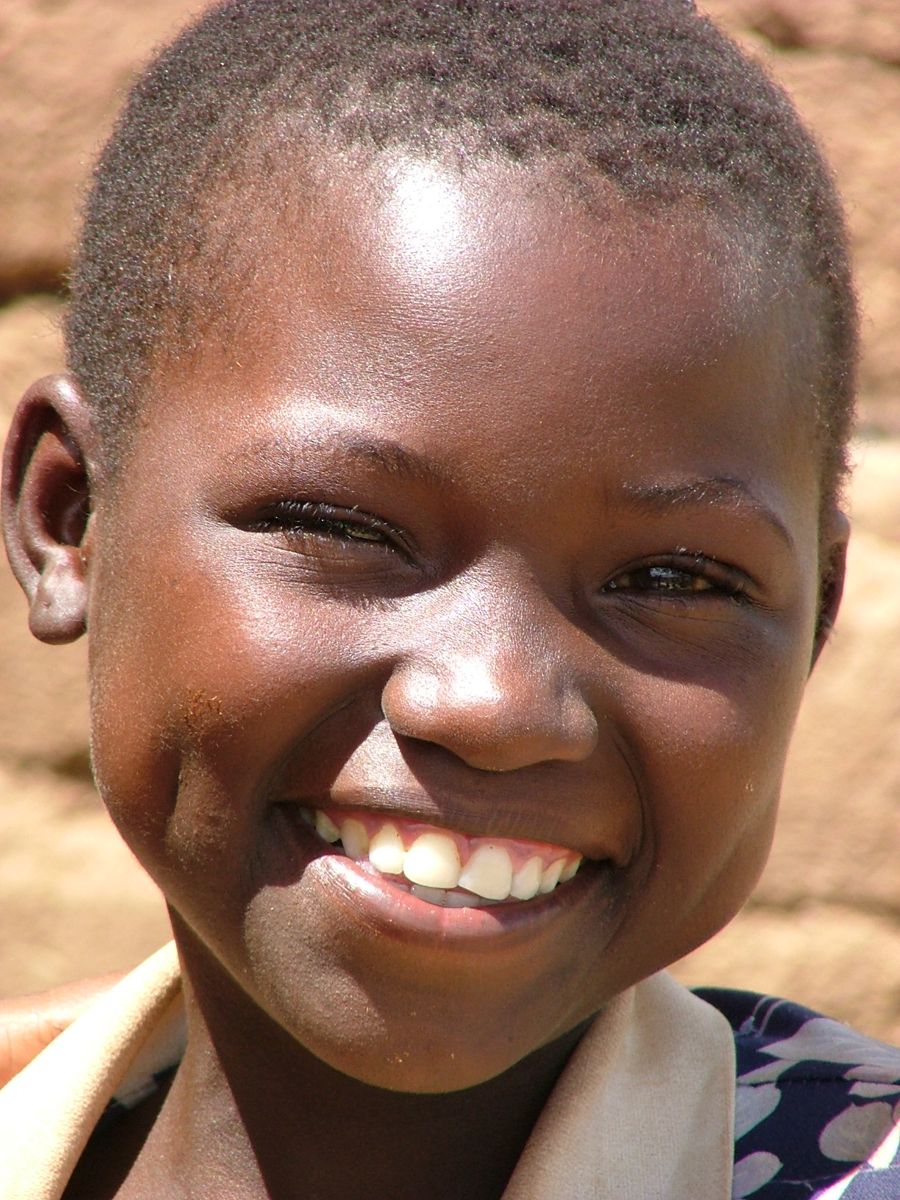
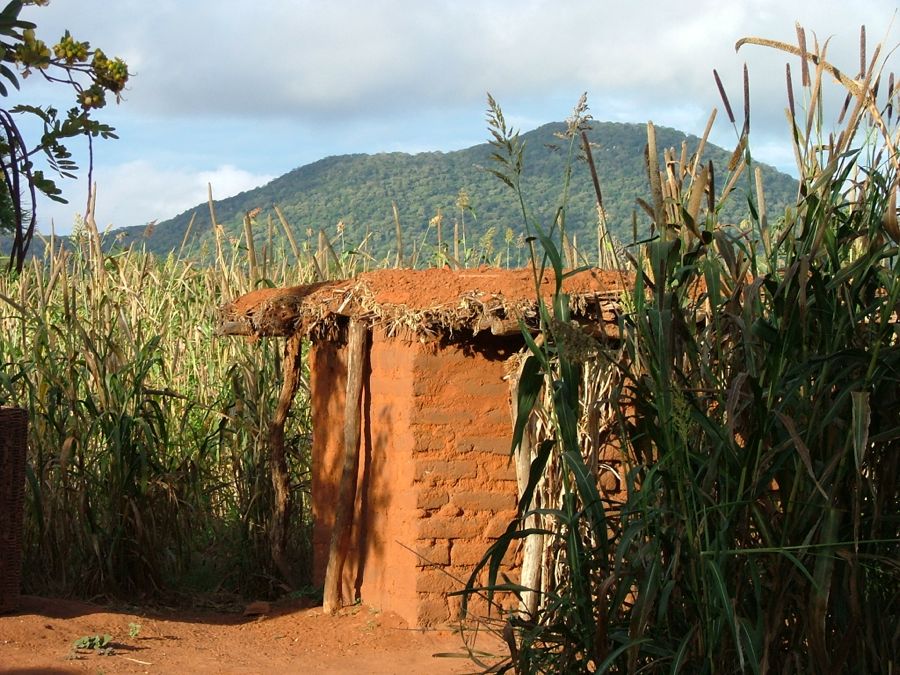
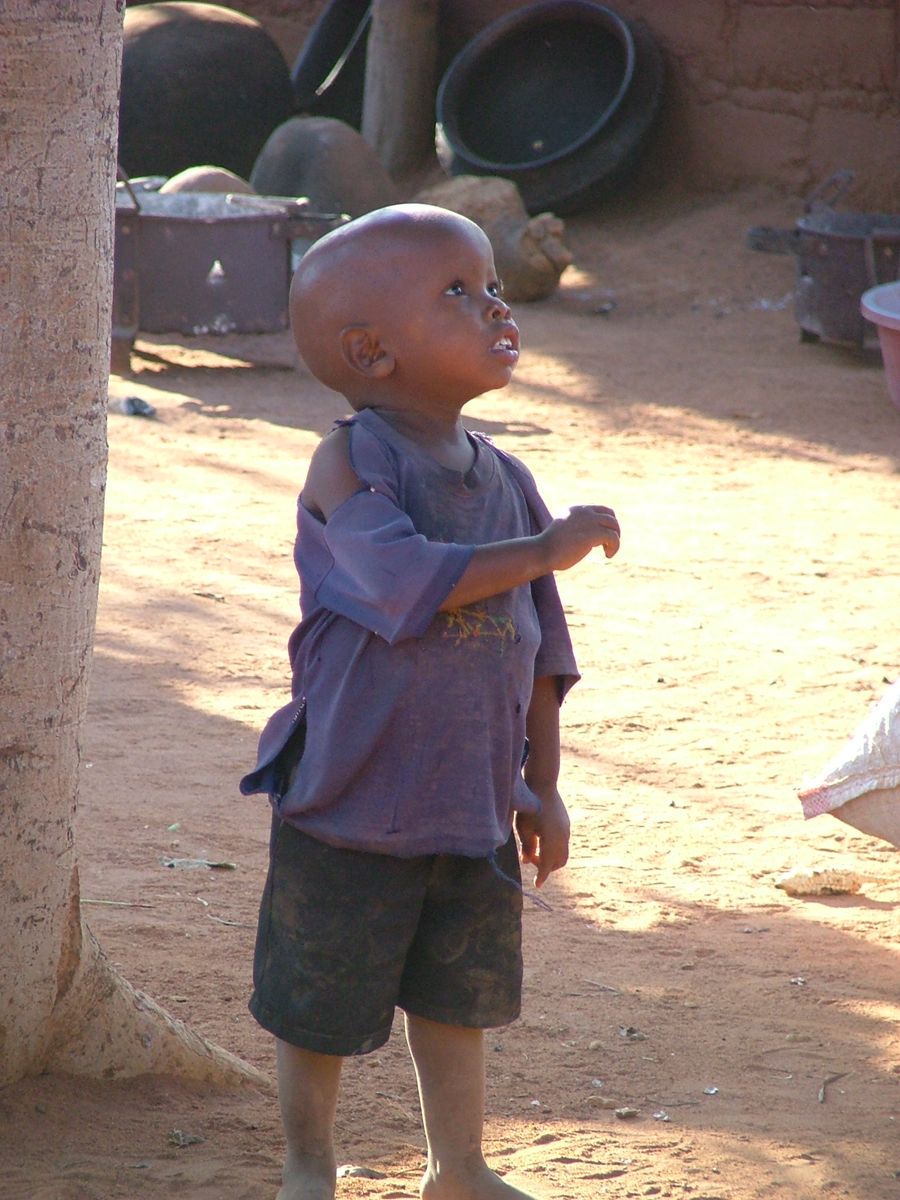
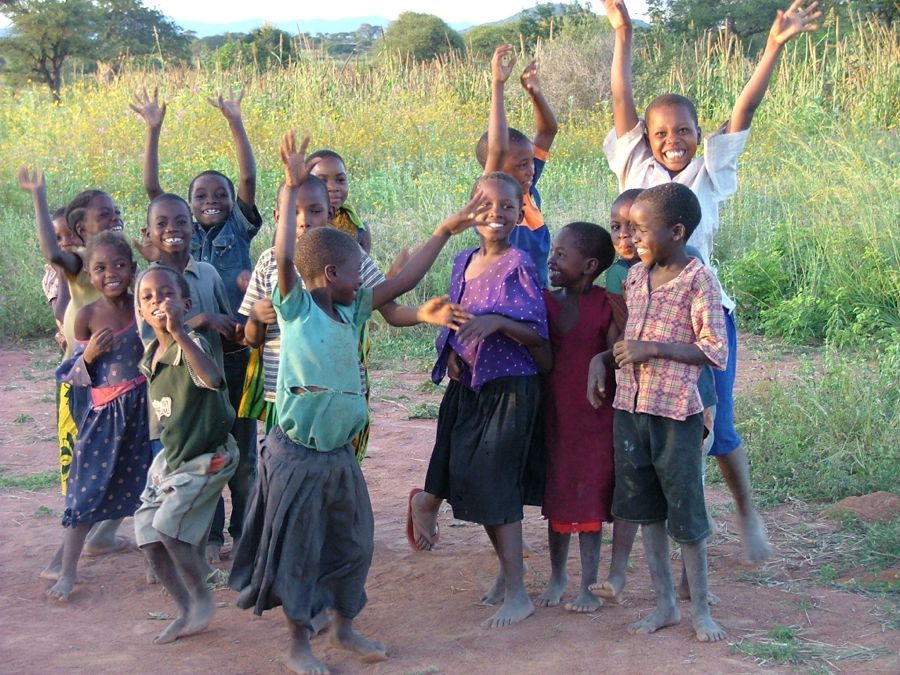
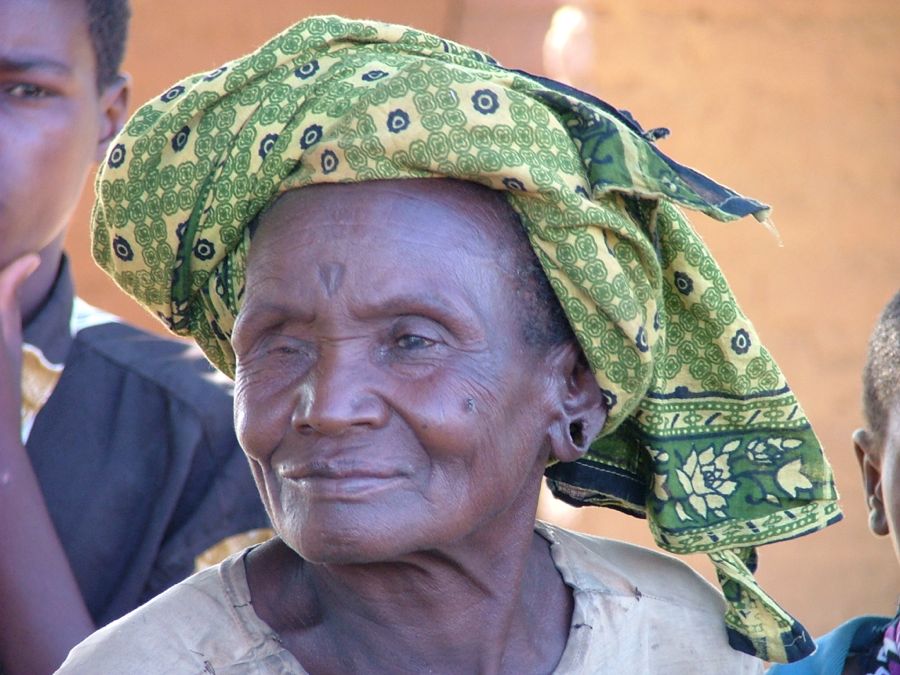
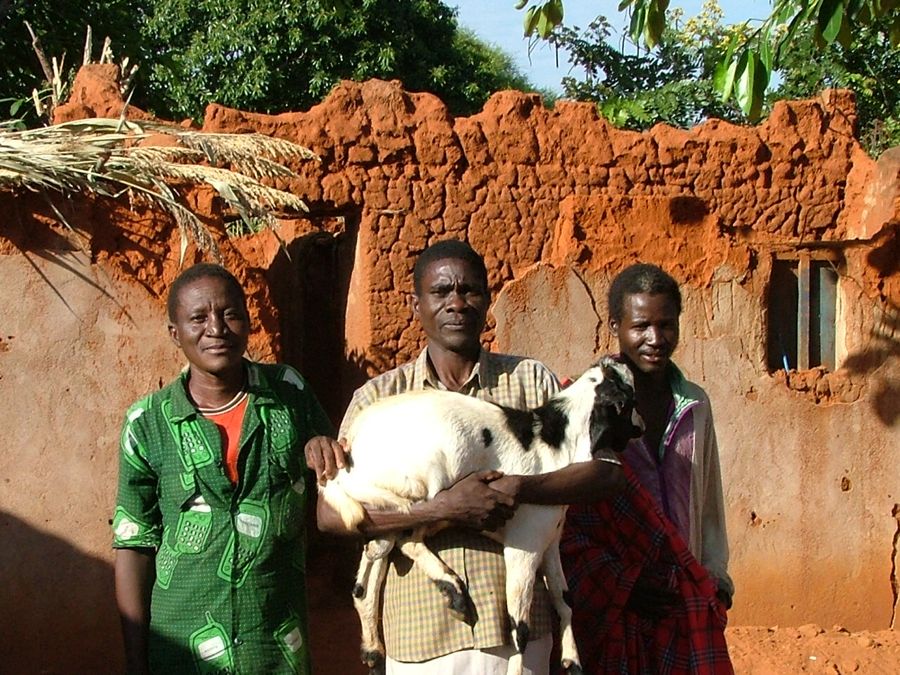
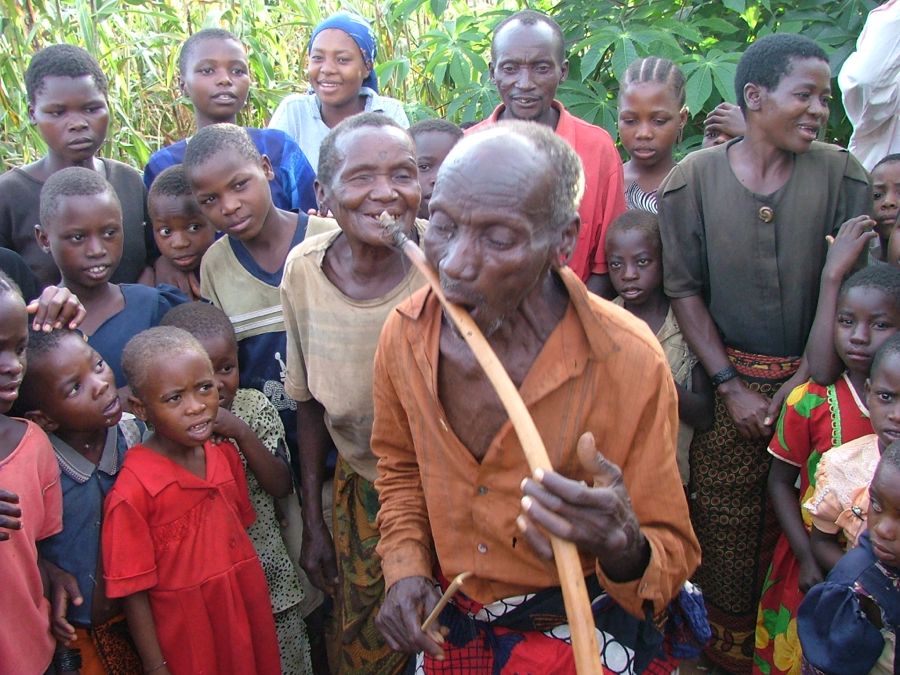
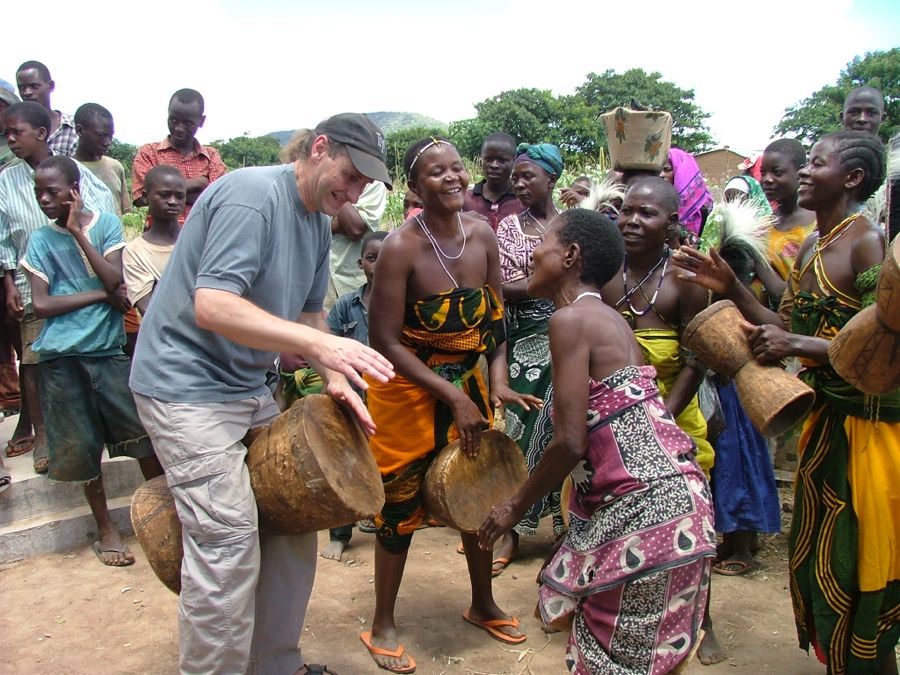
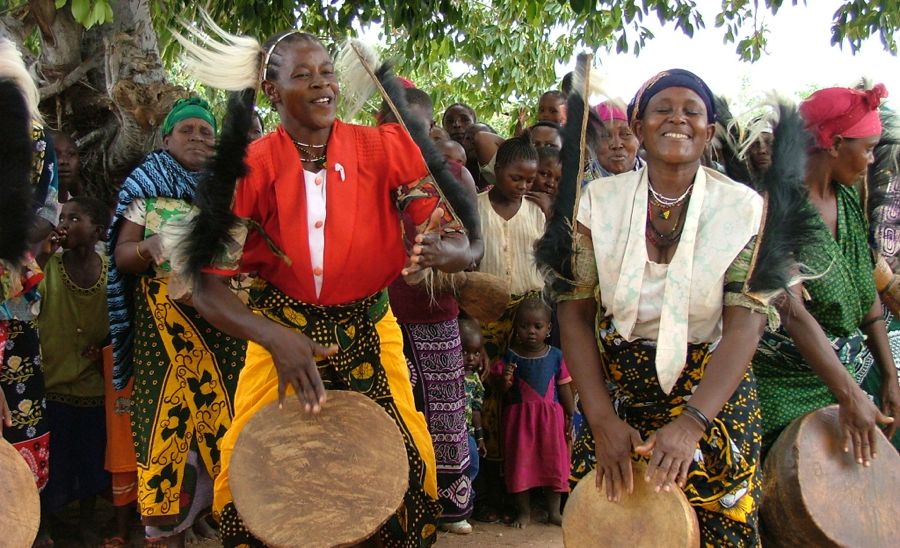
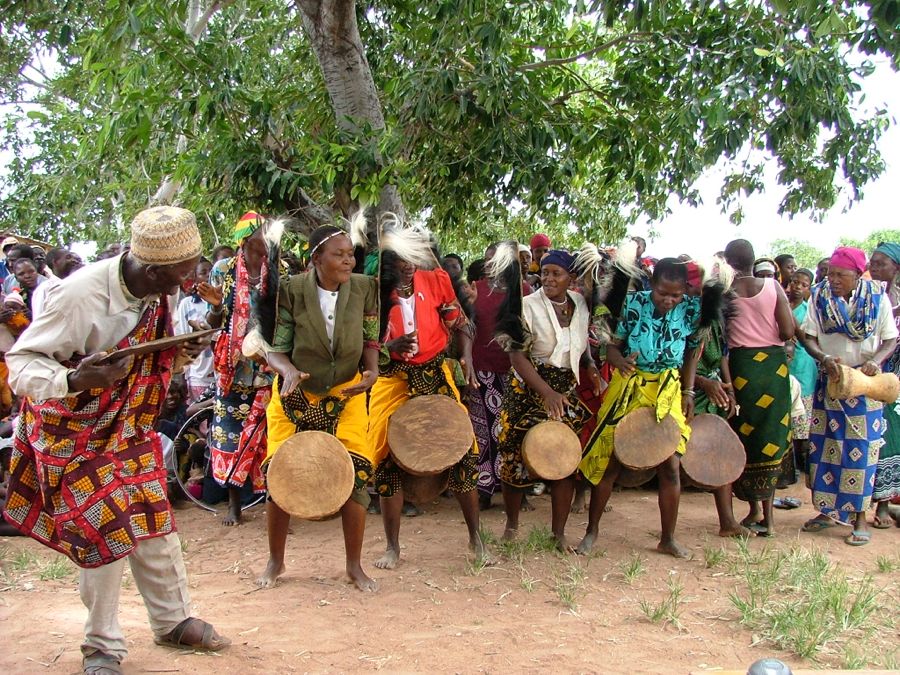
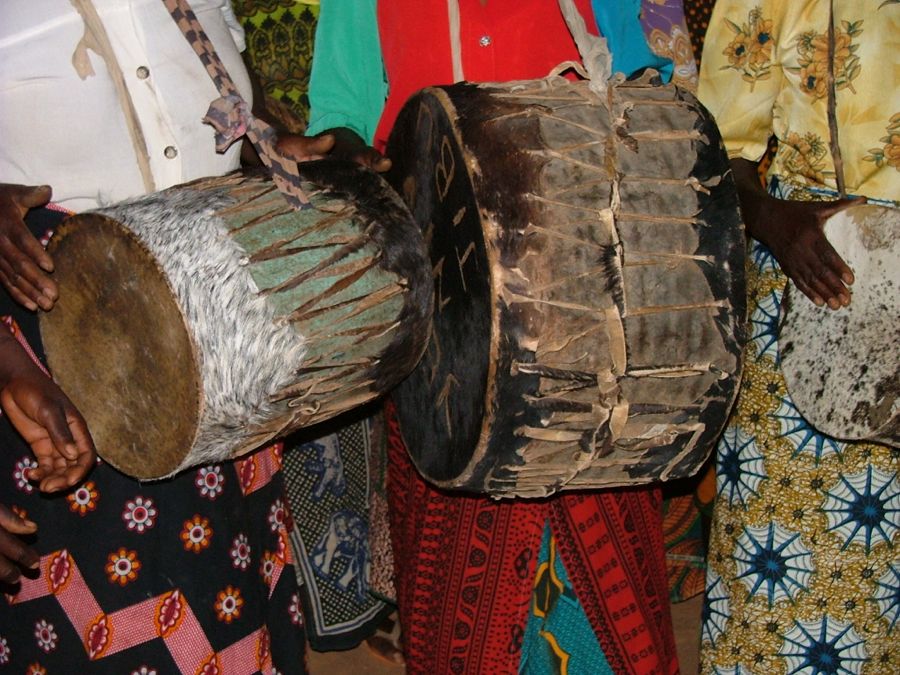
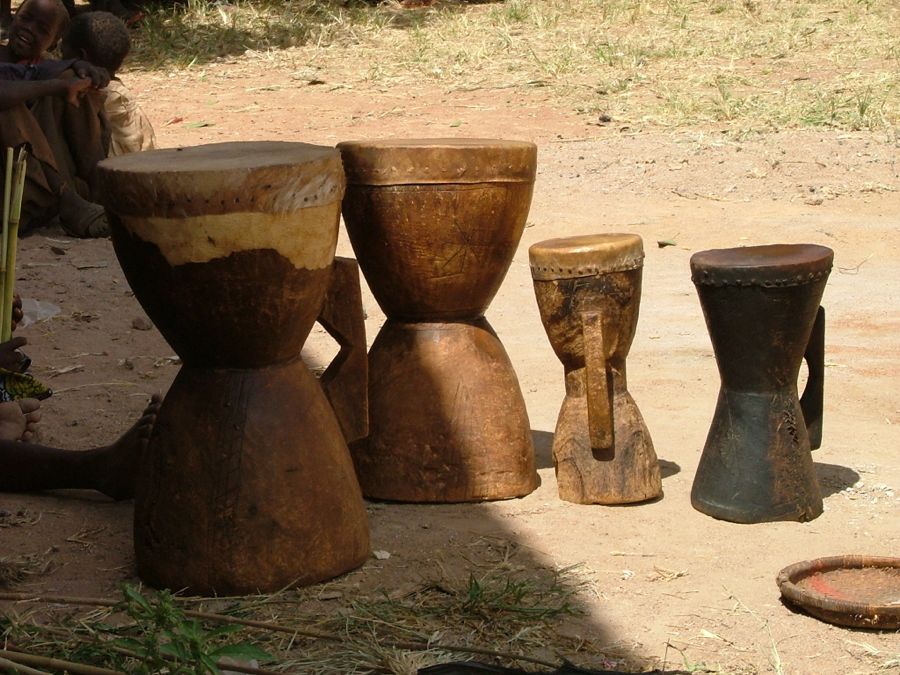
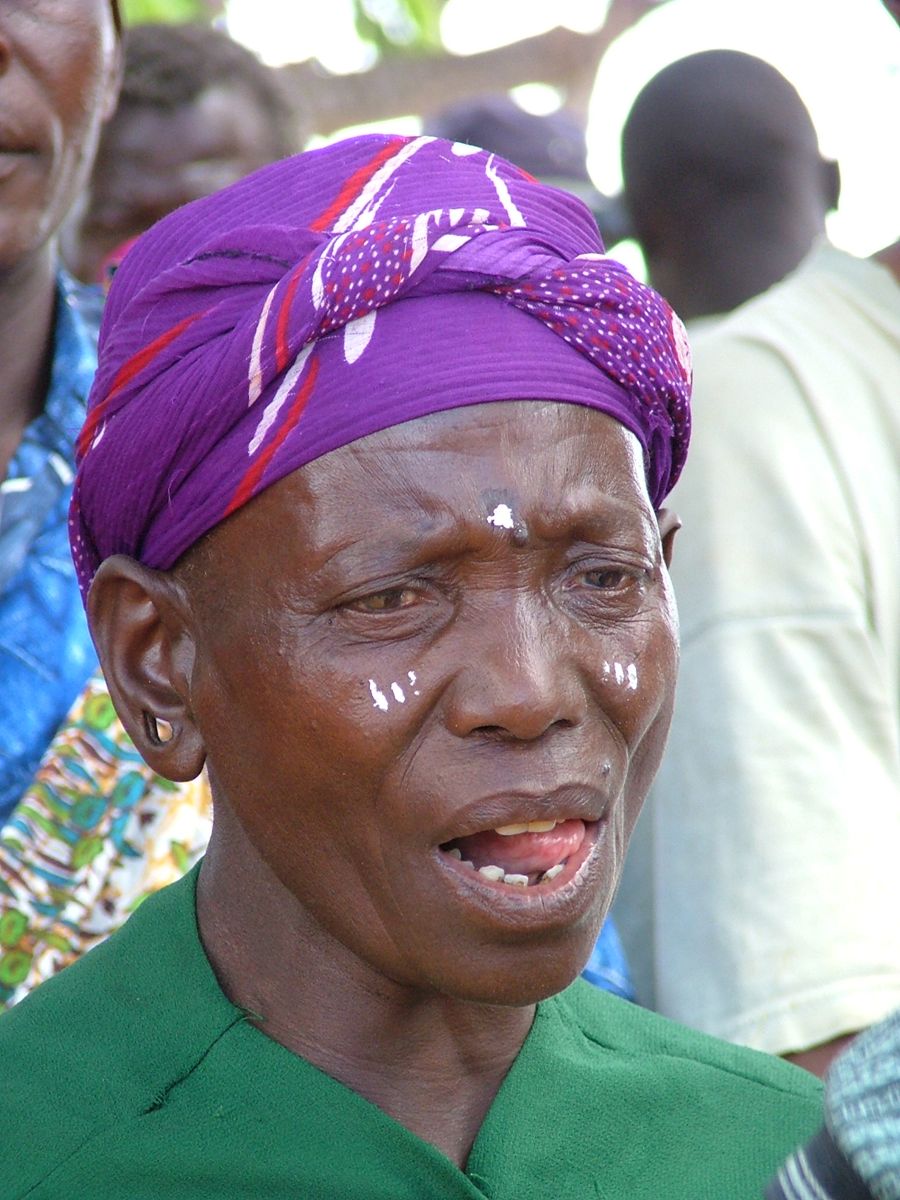
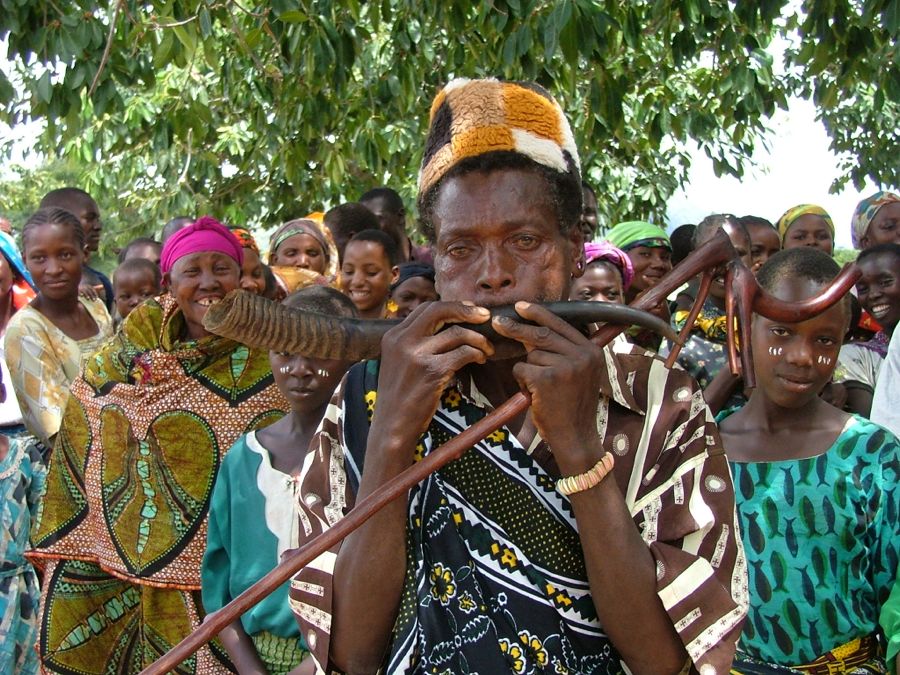
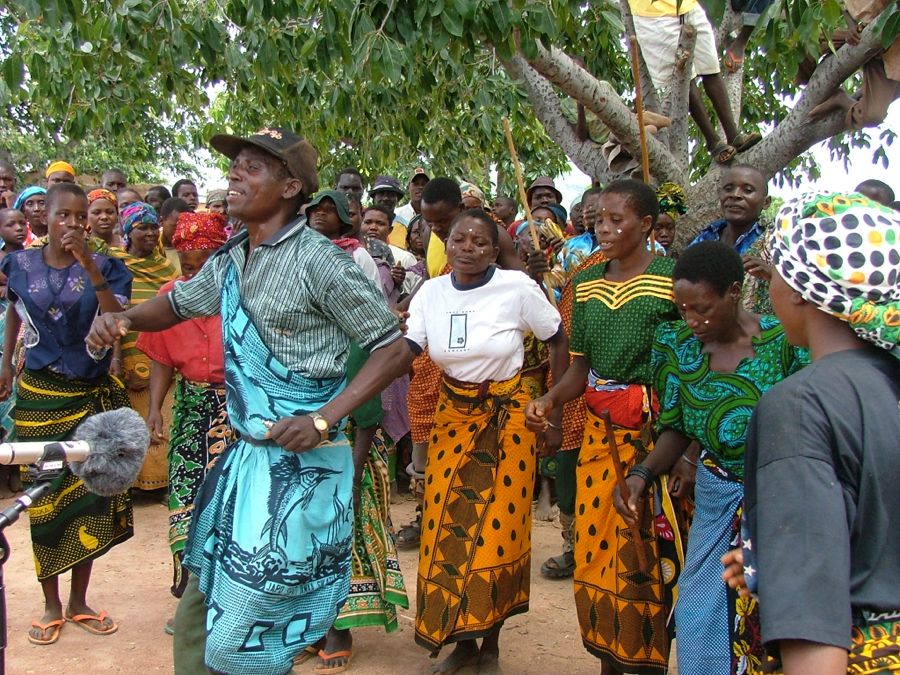
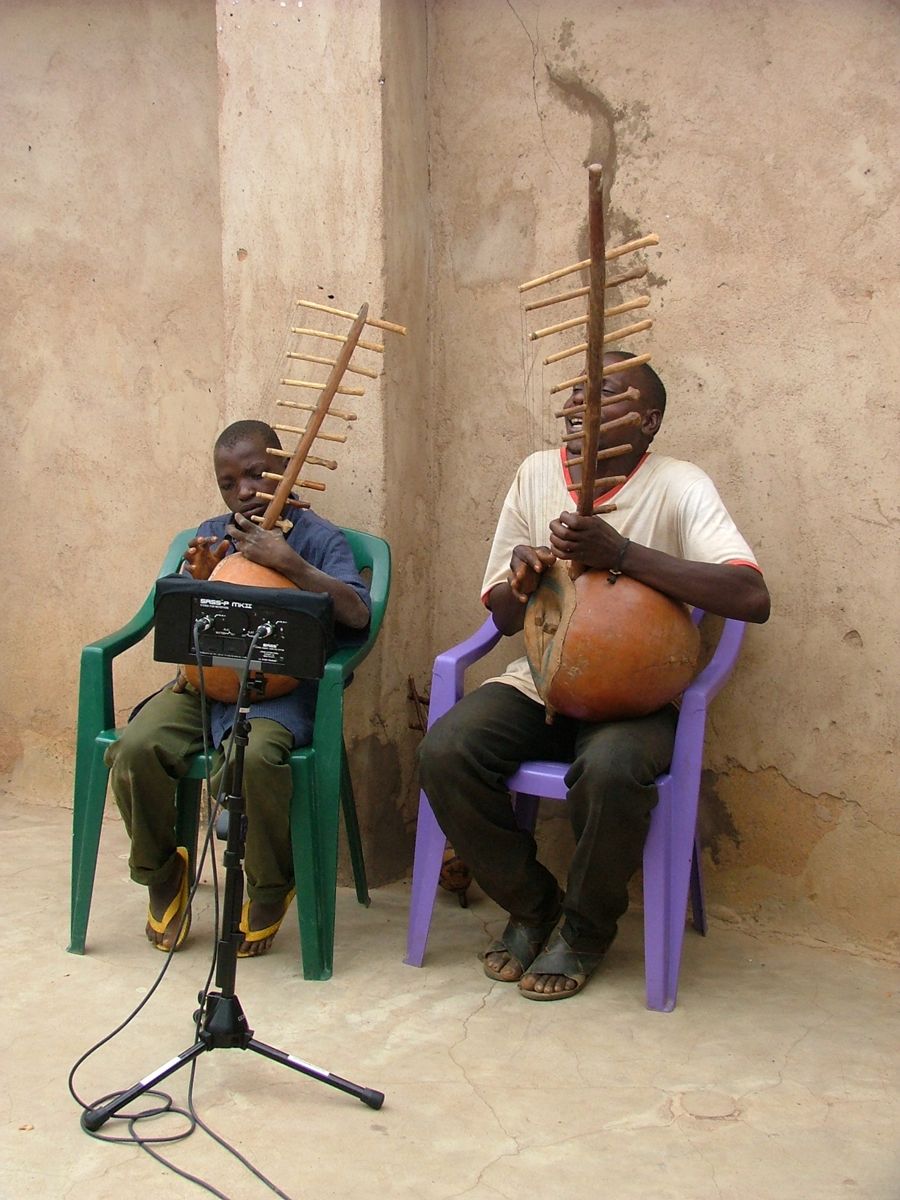
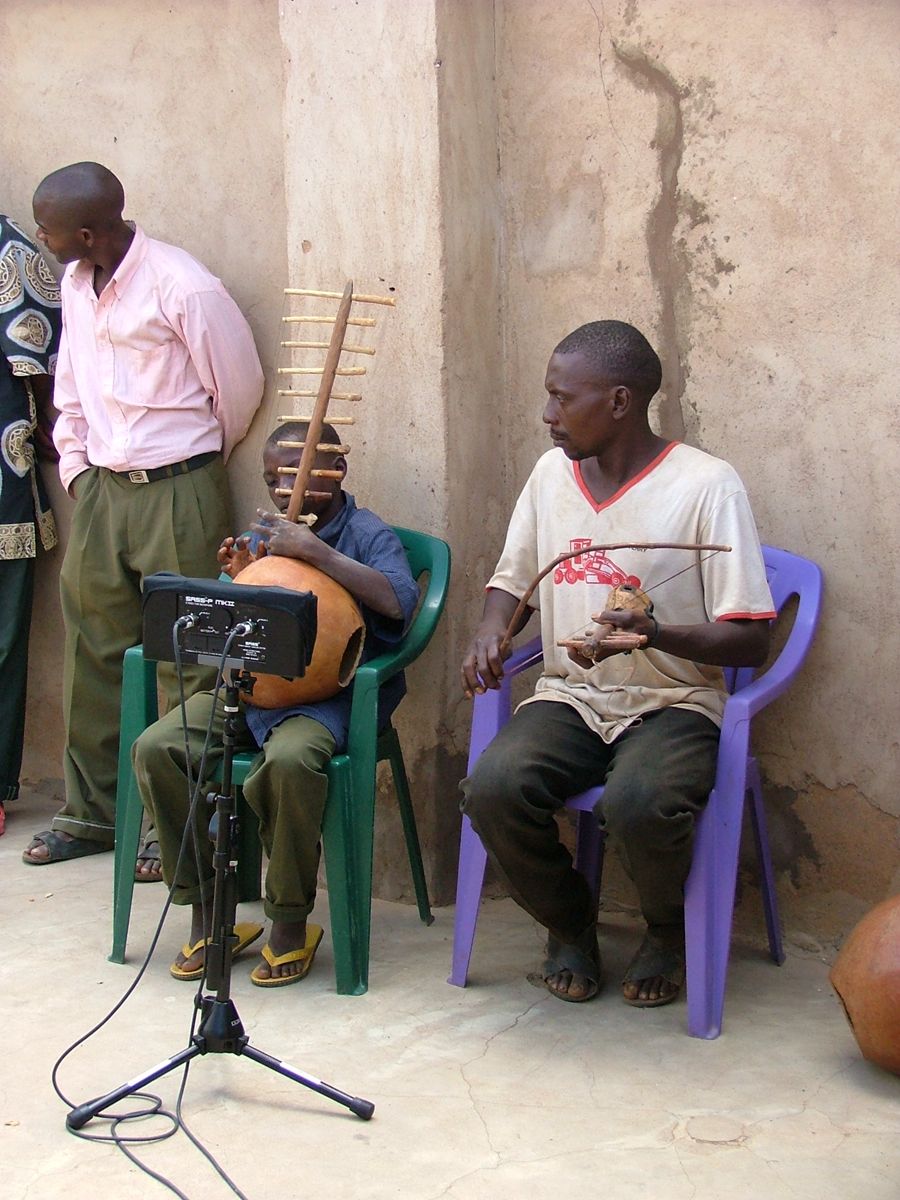
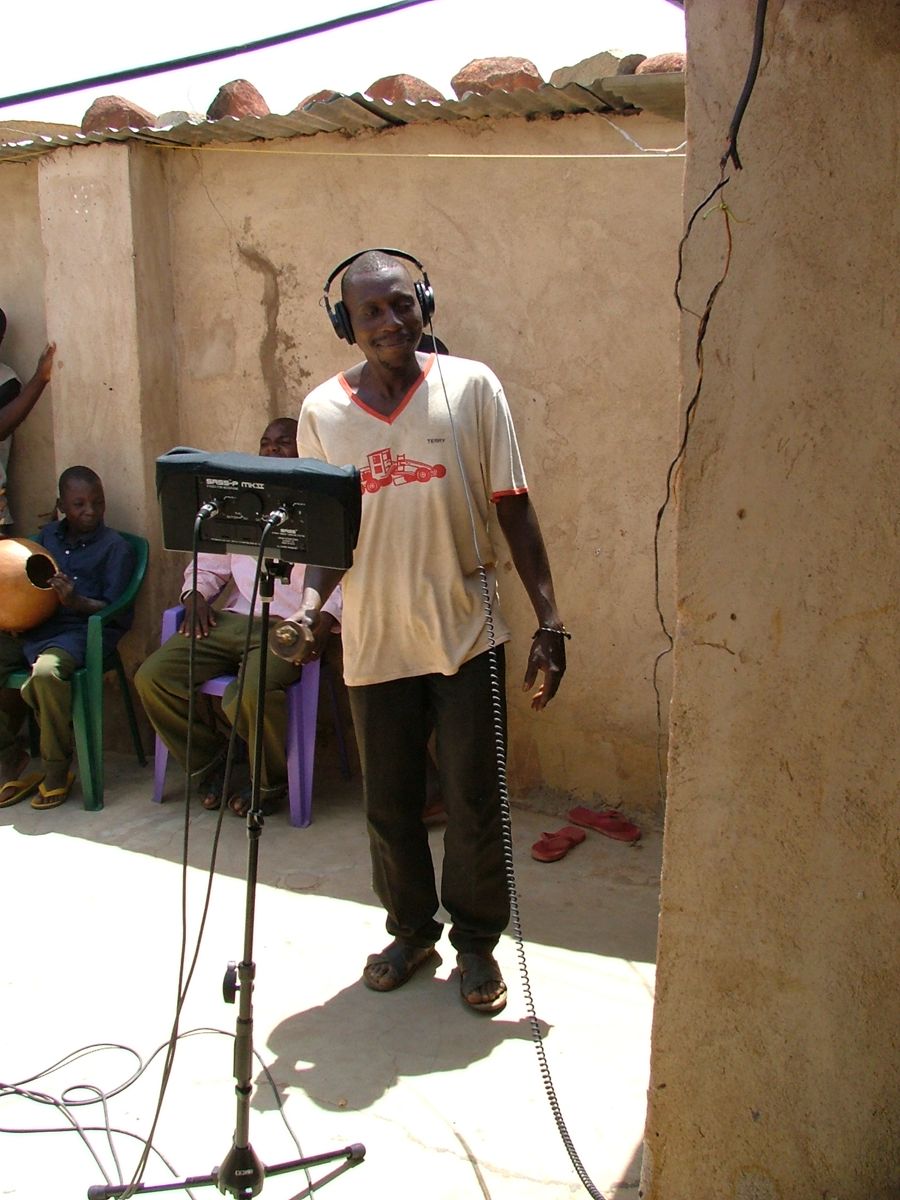
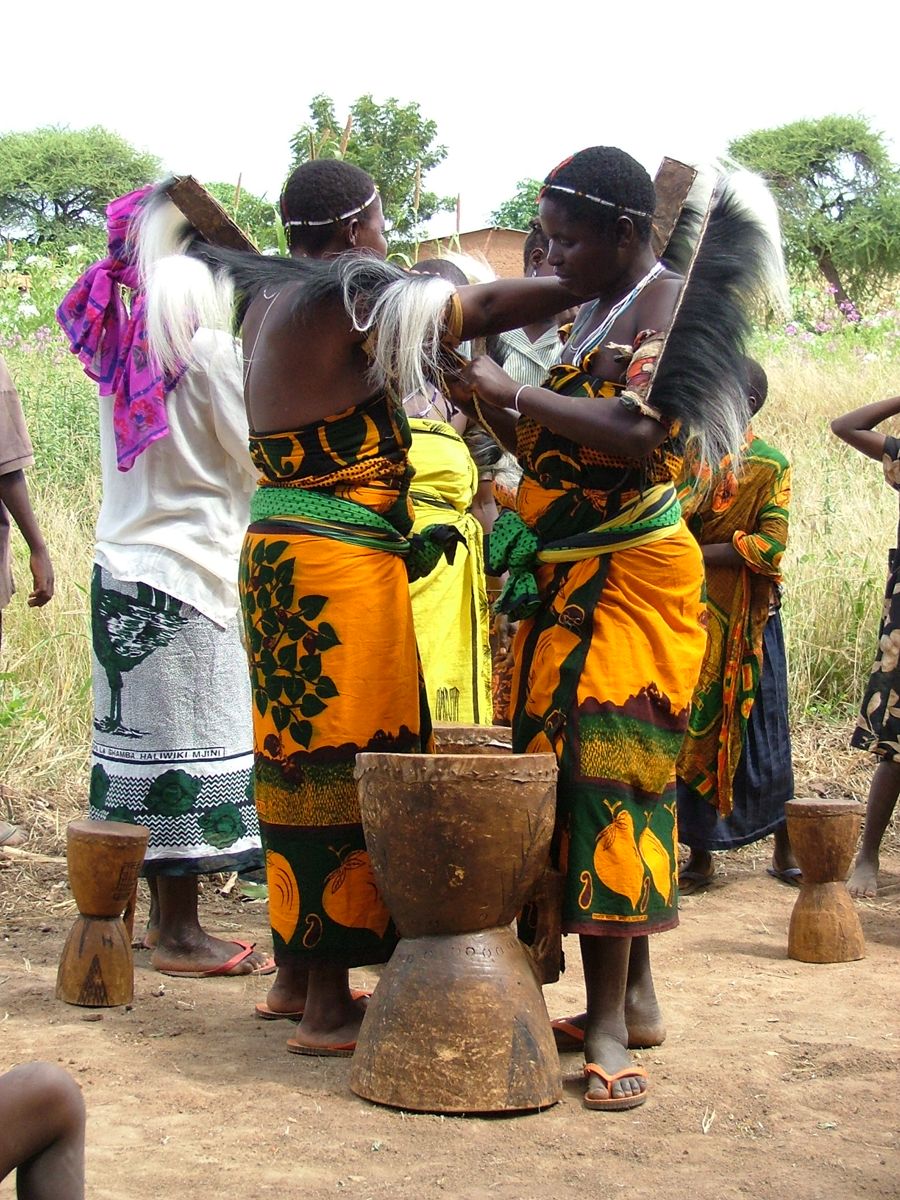
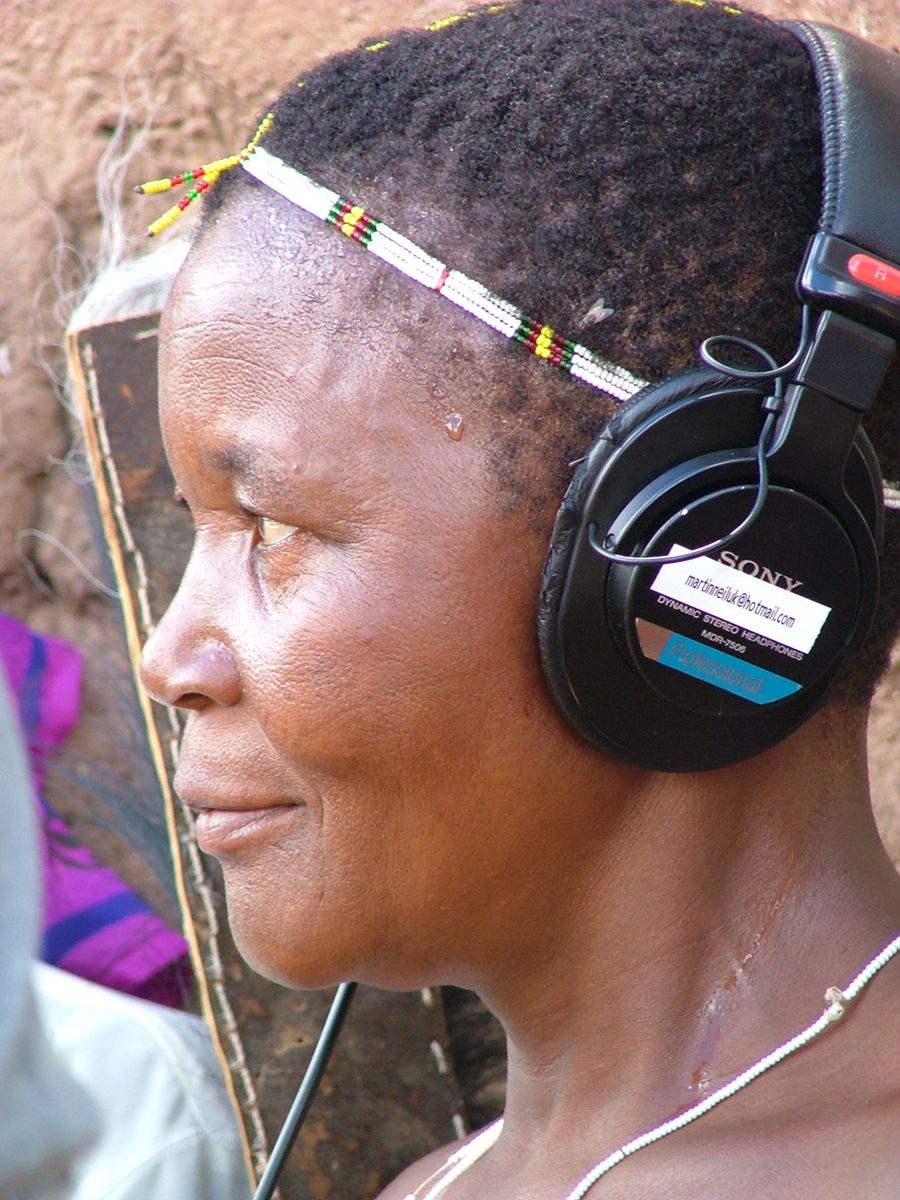
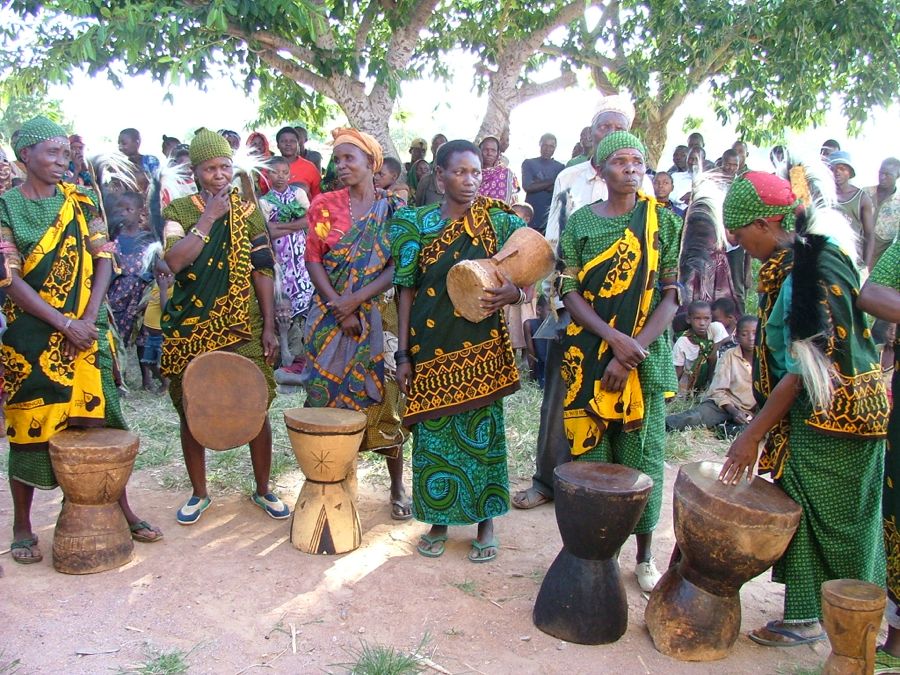
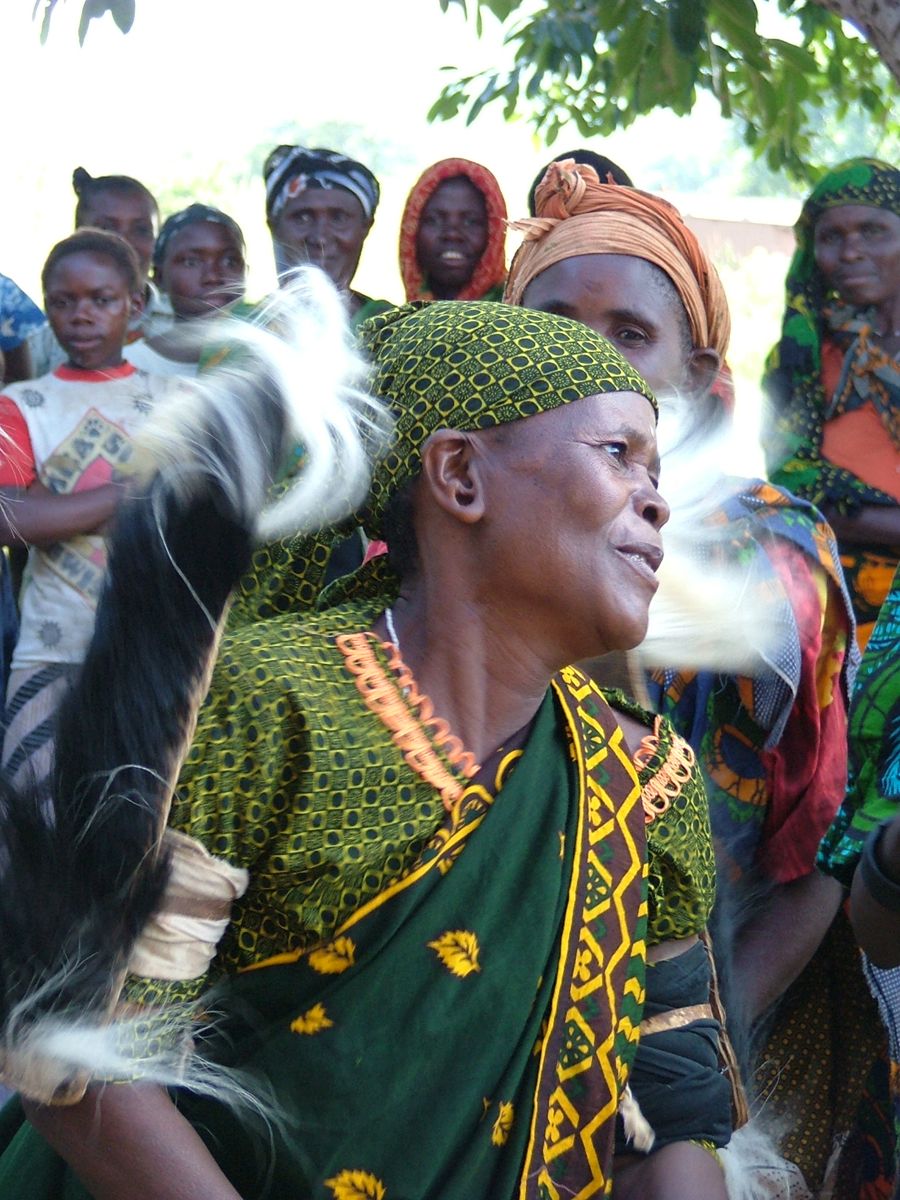
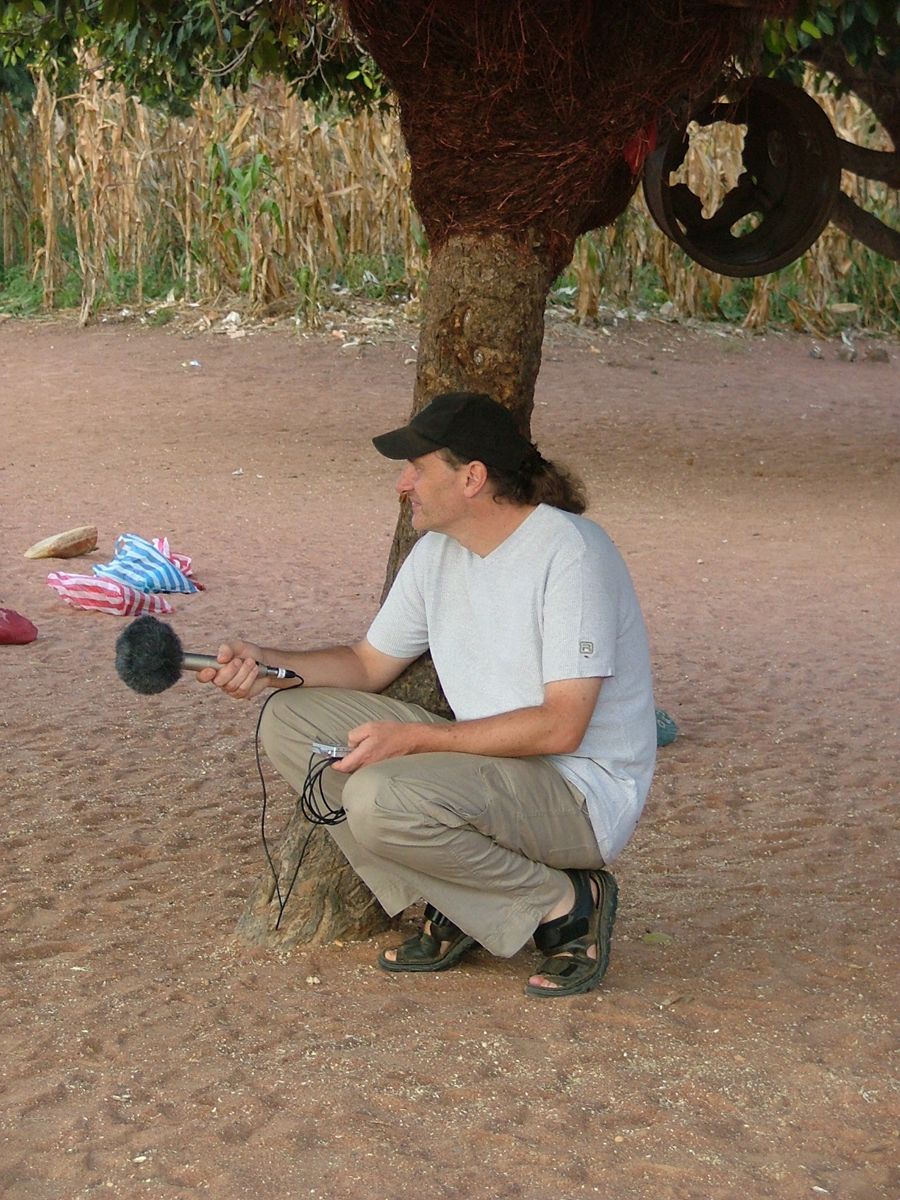
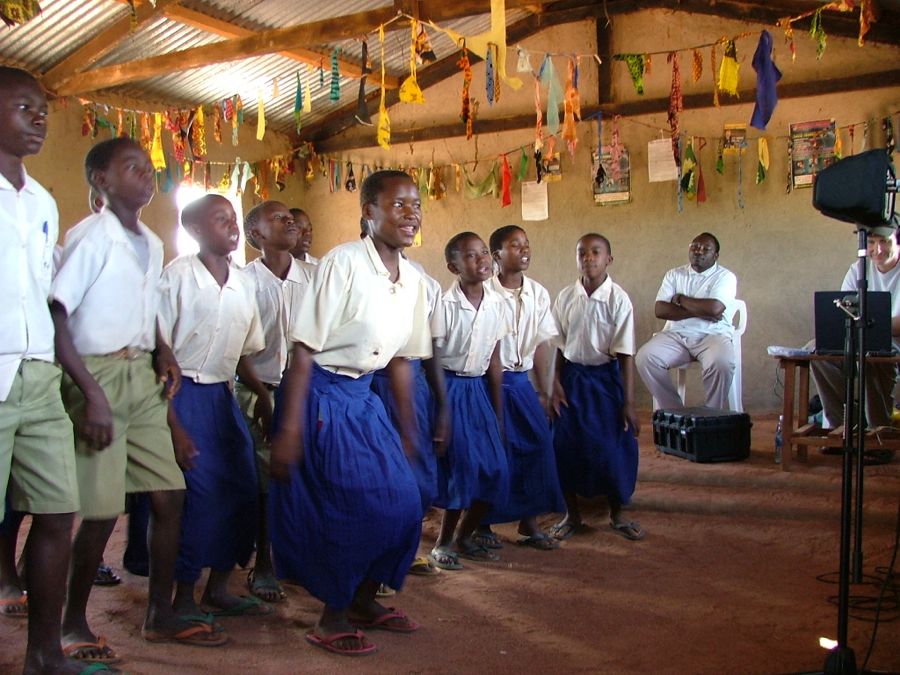
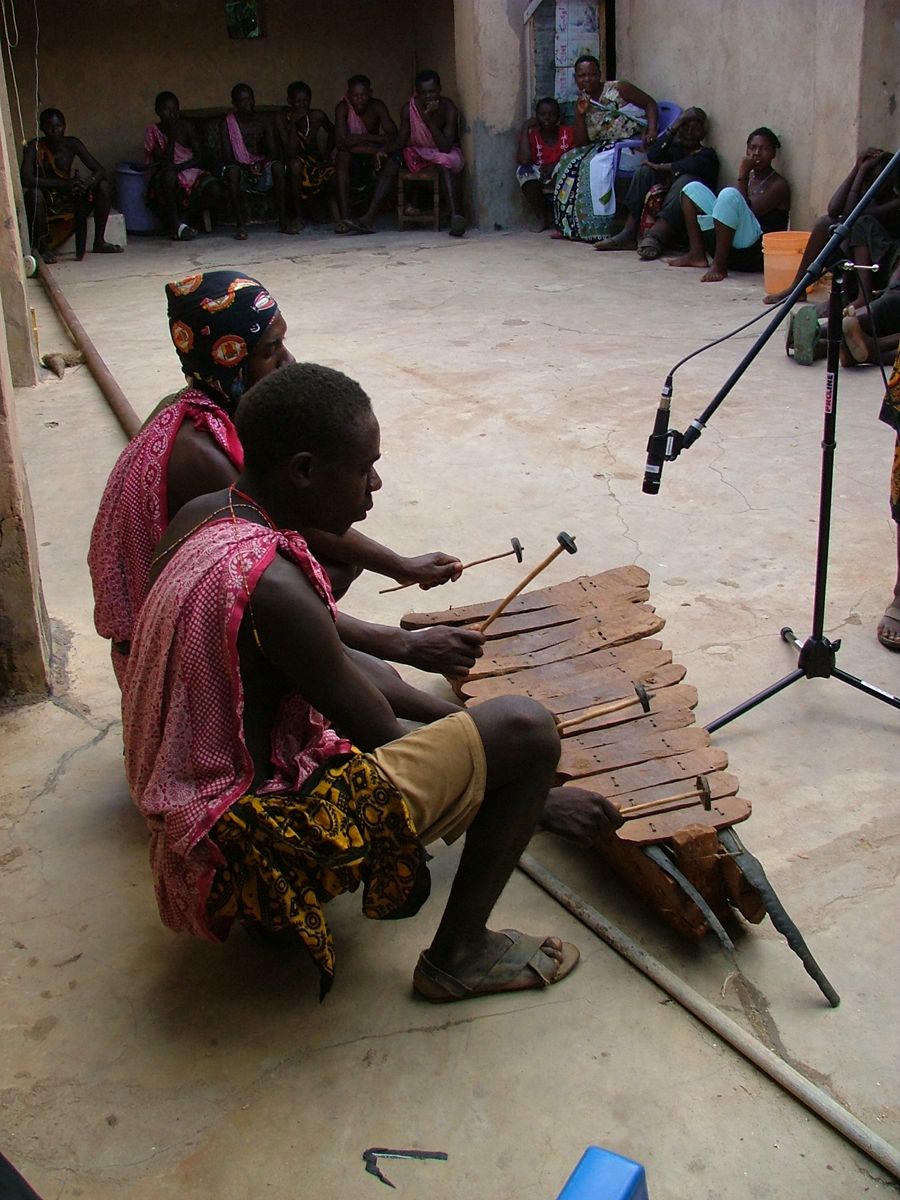
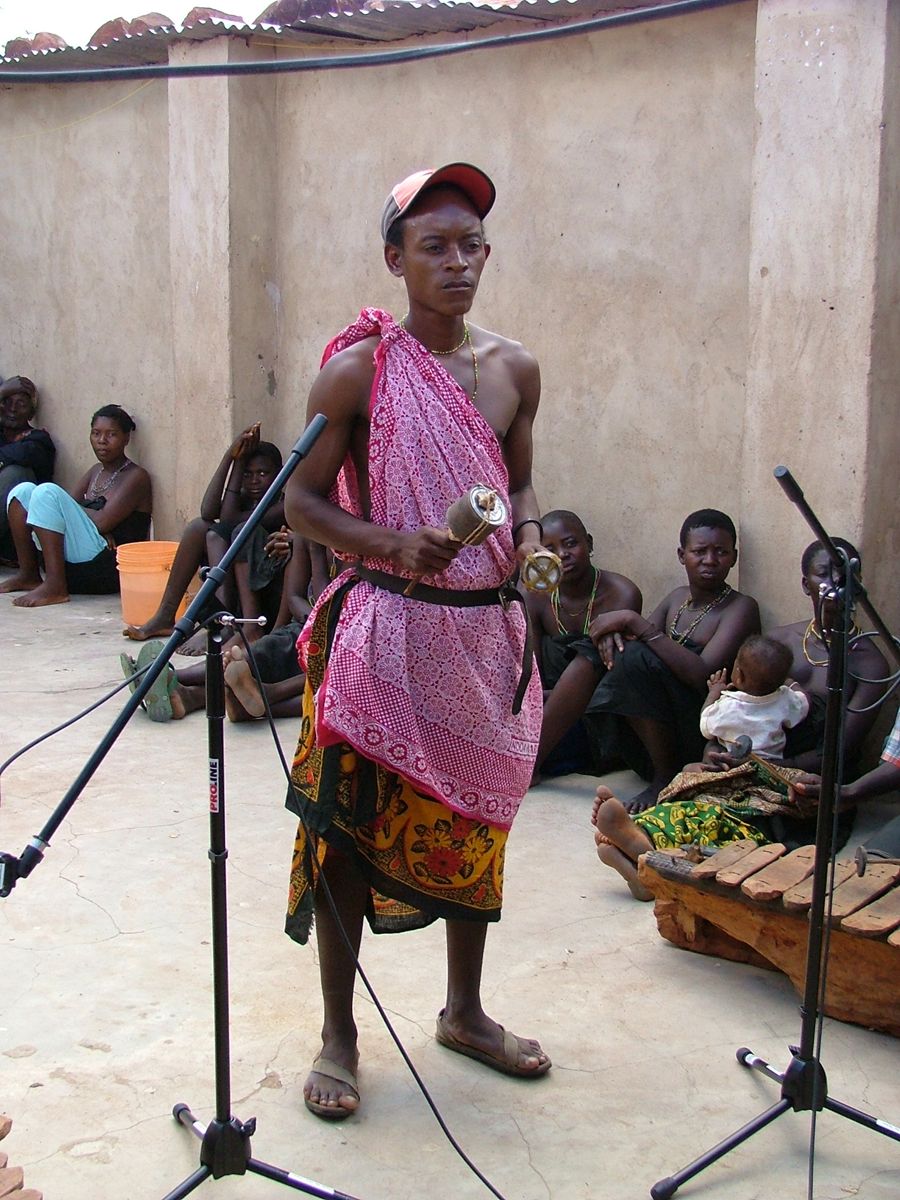
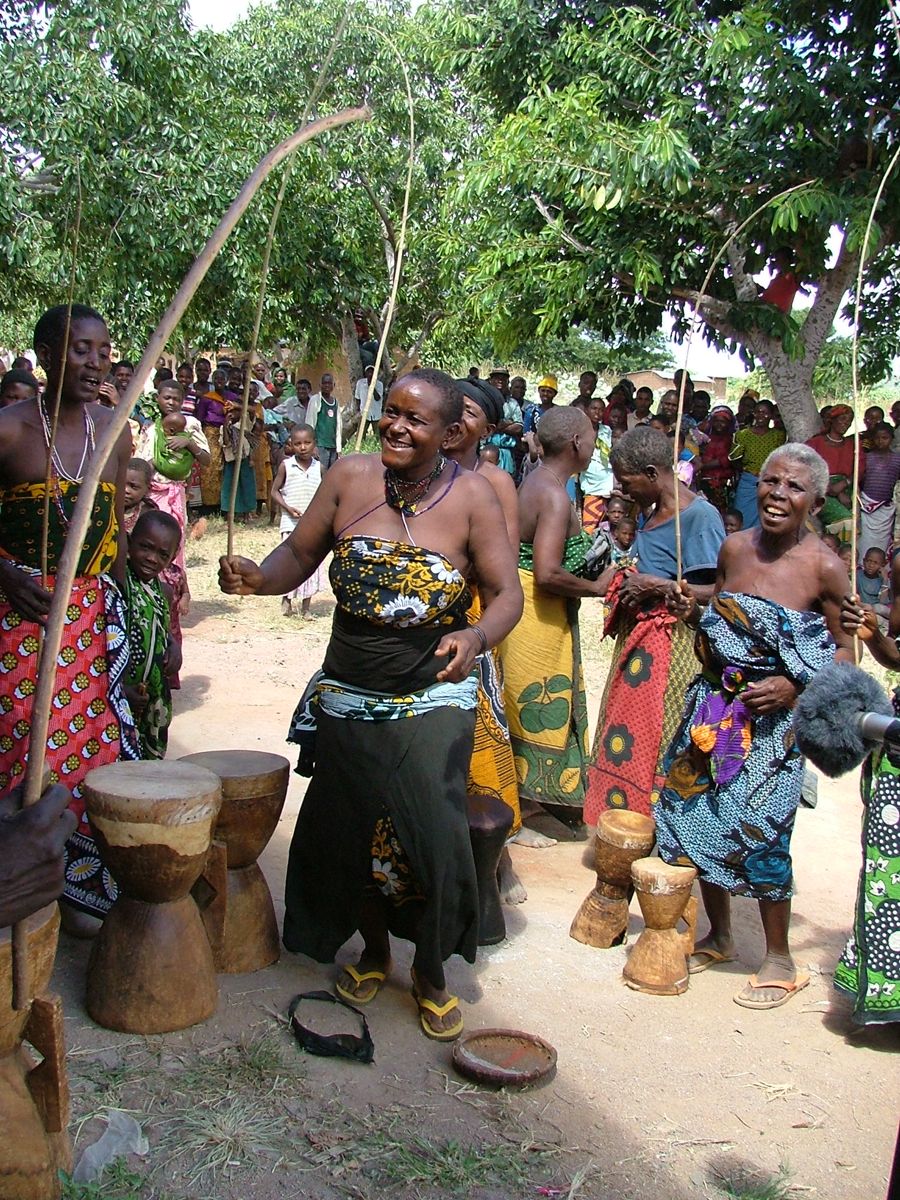
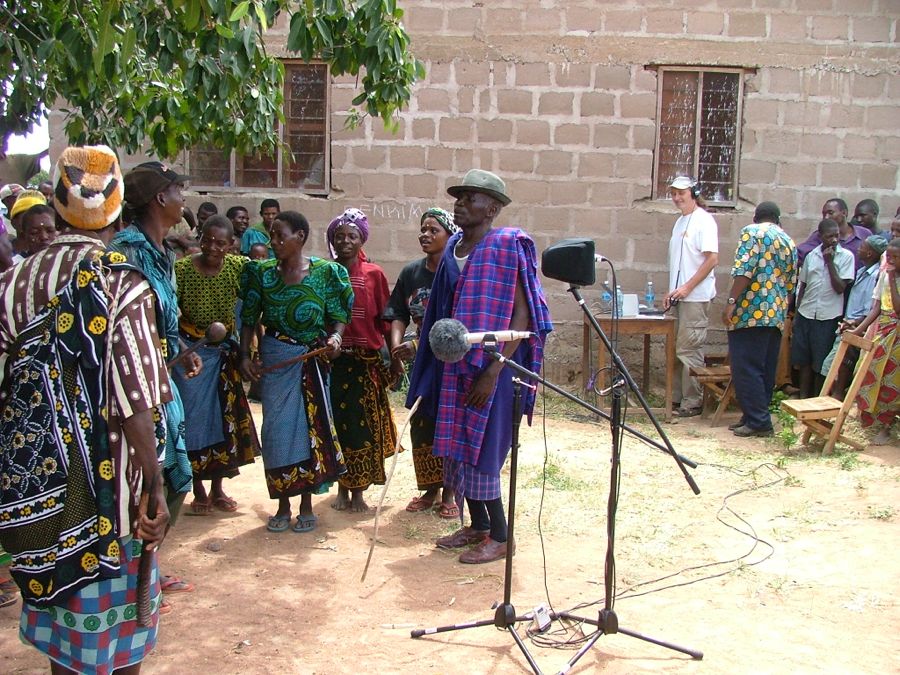
With the sound of beating drums and chanting voices all around, the small African compound had come to life, illuminated by the light of a new moon. As the heat of the day subsided, the cool breeze of the evening brought renewed energy into Mnase village life. Scraping, sliding sounds of dancing feet against the red ochre coloured earth floor, swished in time with the hourglass shaped percussive instruments, enticing everyone into the intoxicating rhythm. No one could keep still, even a feeding mother sitting cross-legged swayed in time, picking out vocal harmonies or answering sung phrases, seemingly oblivious to the clinging child at her breast.
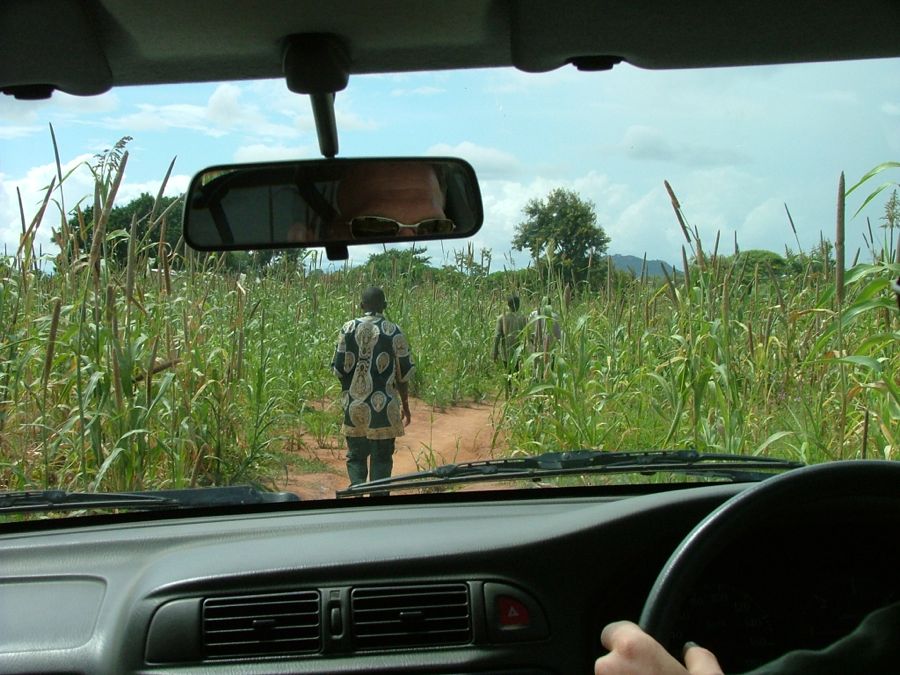
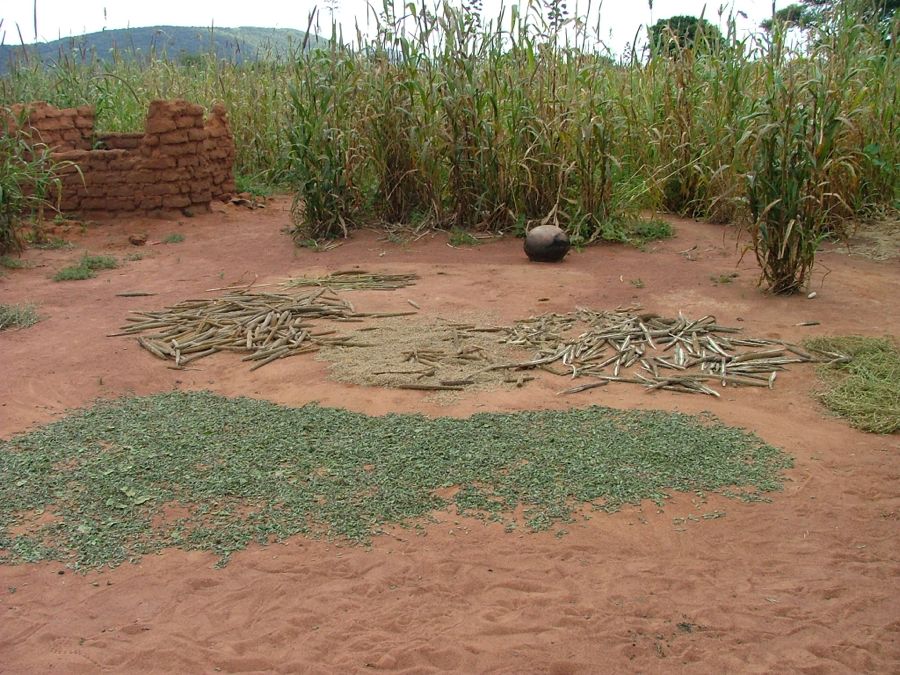
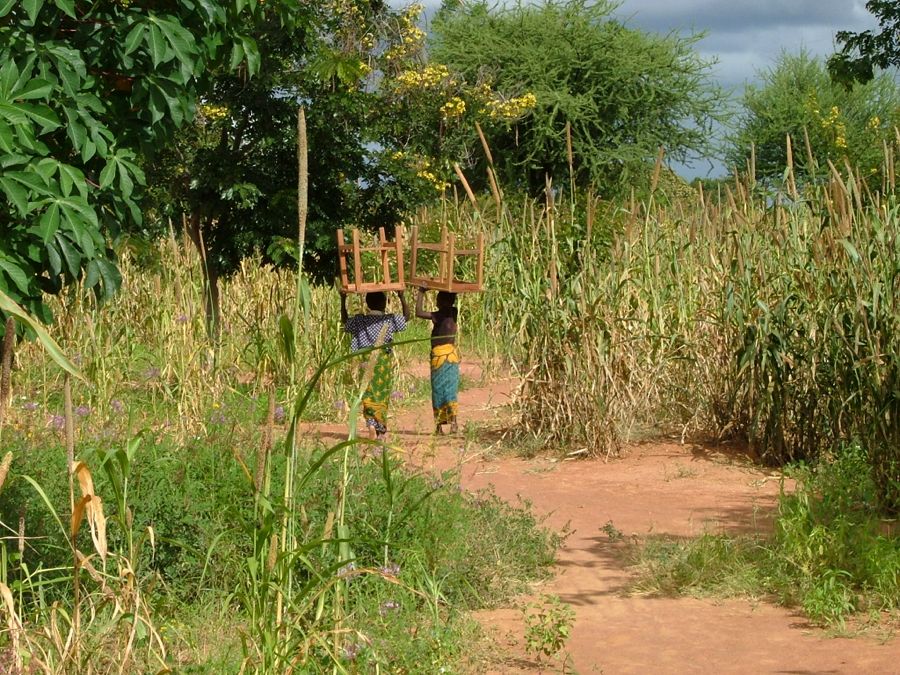
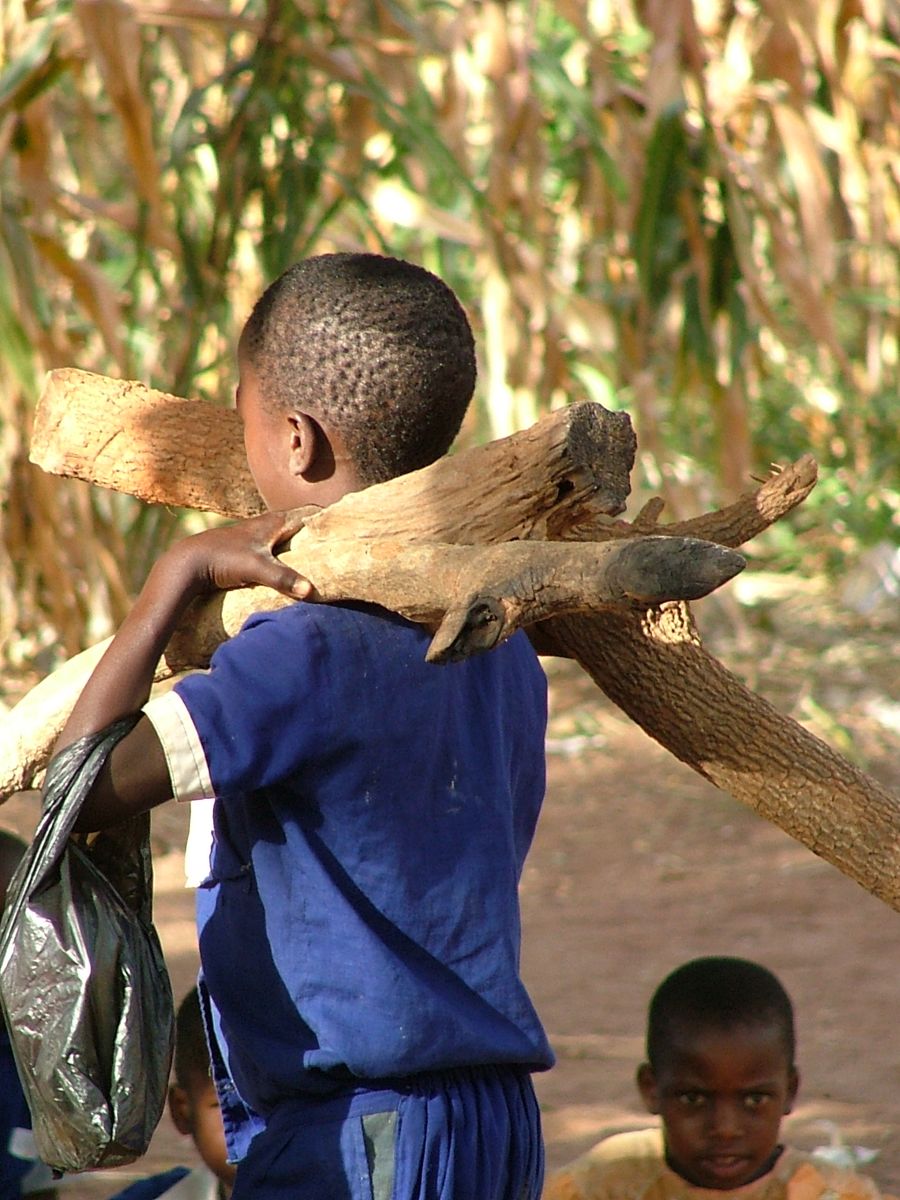
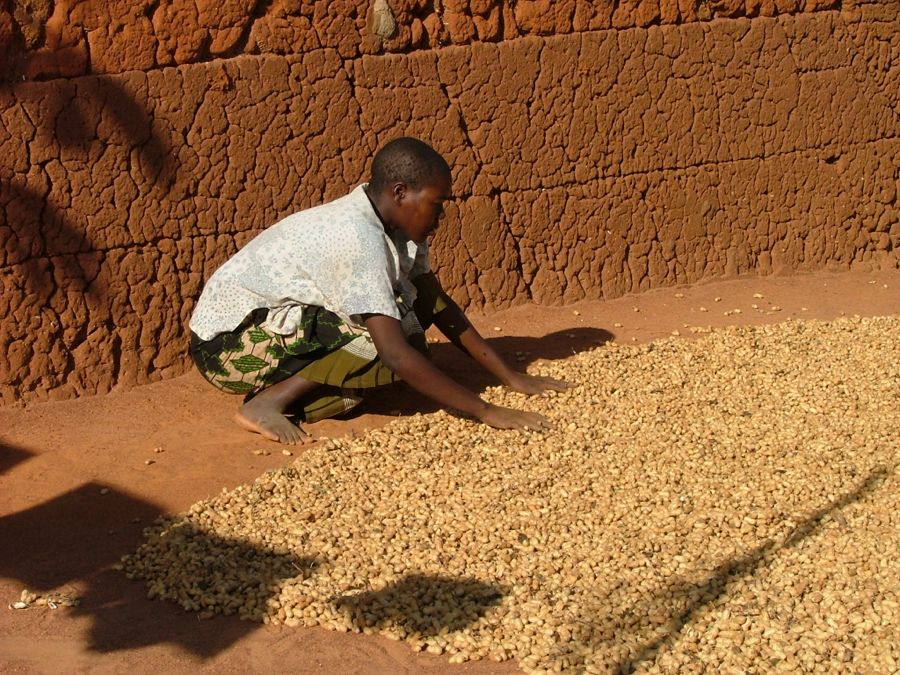
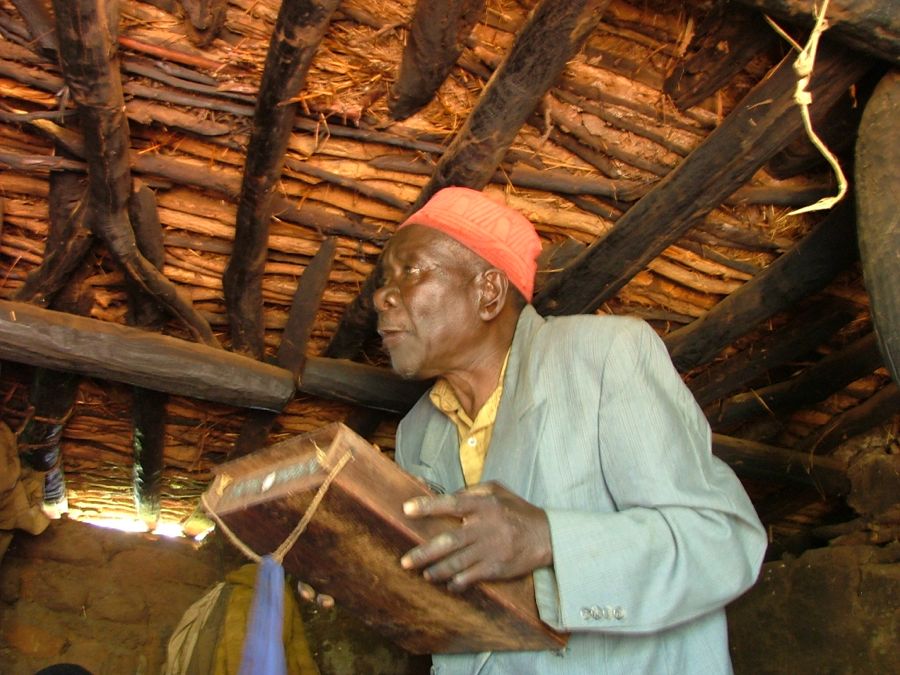
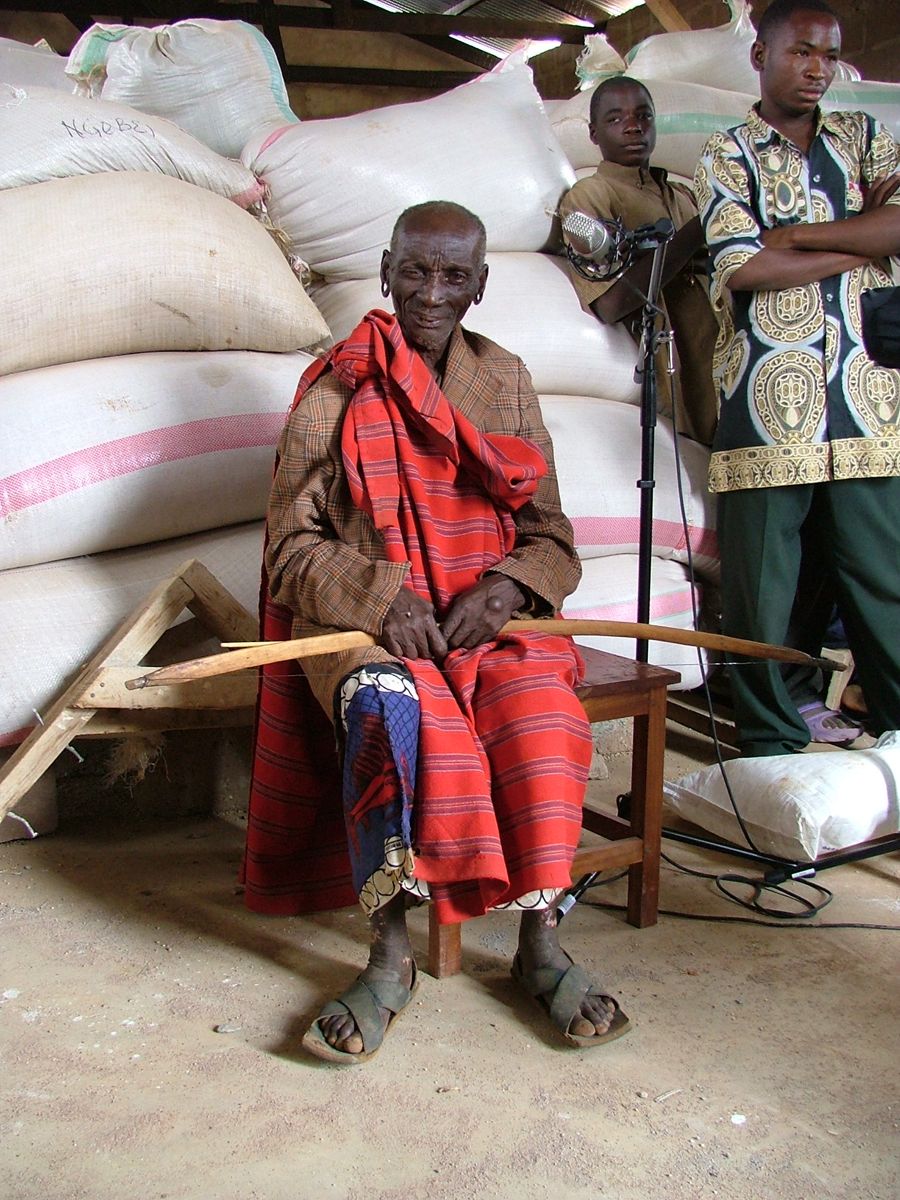
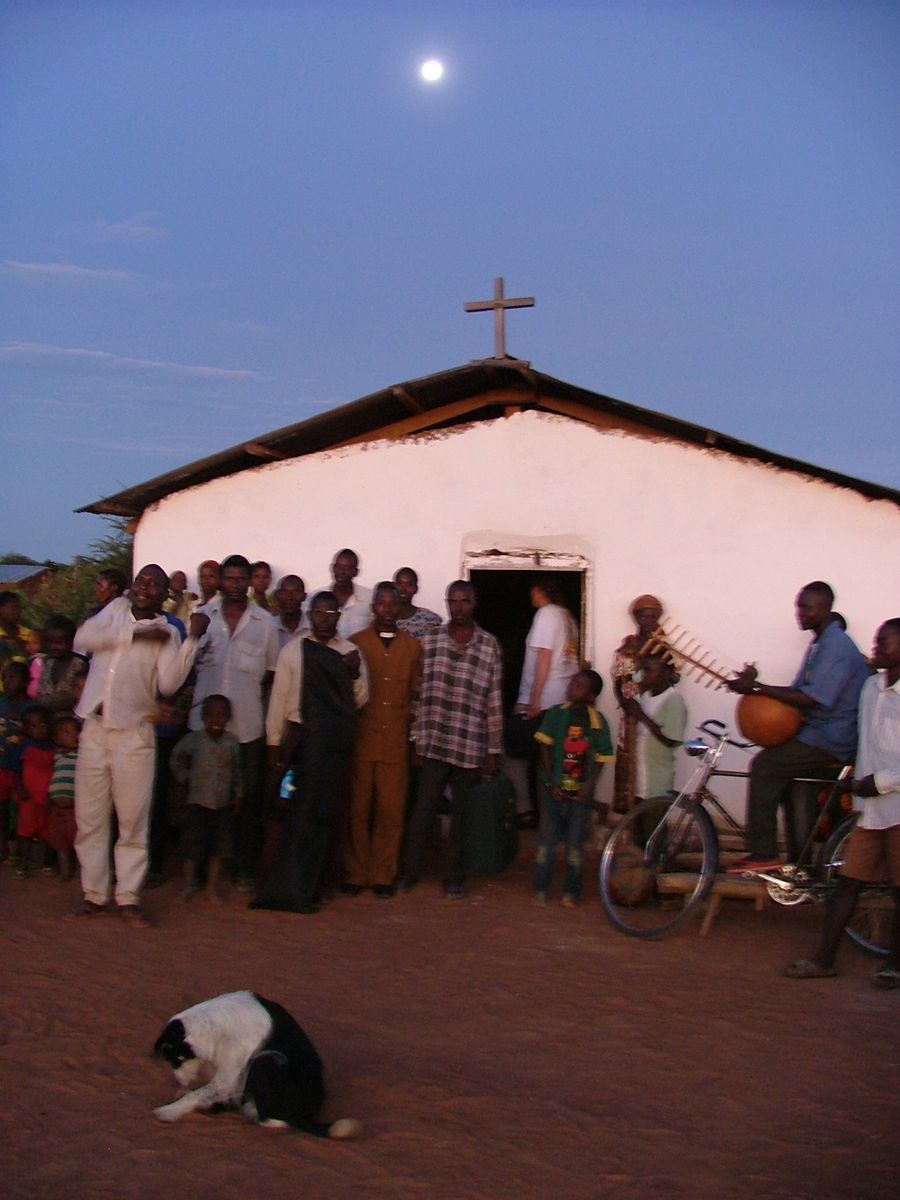
As we sat entranced by the spontaneous nature of this musical explosion the day to day survival of these Tanzanian’s had been forgotten. Patiently waiting for the rains, their crops were slowly but surely withering under the brutal heat of an East African sun. Yet, there was hope in the air, and this evening it had come, as it often did, through the sound of the drum, coaxing us to dream of a new day. Read More
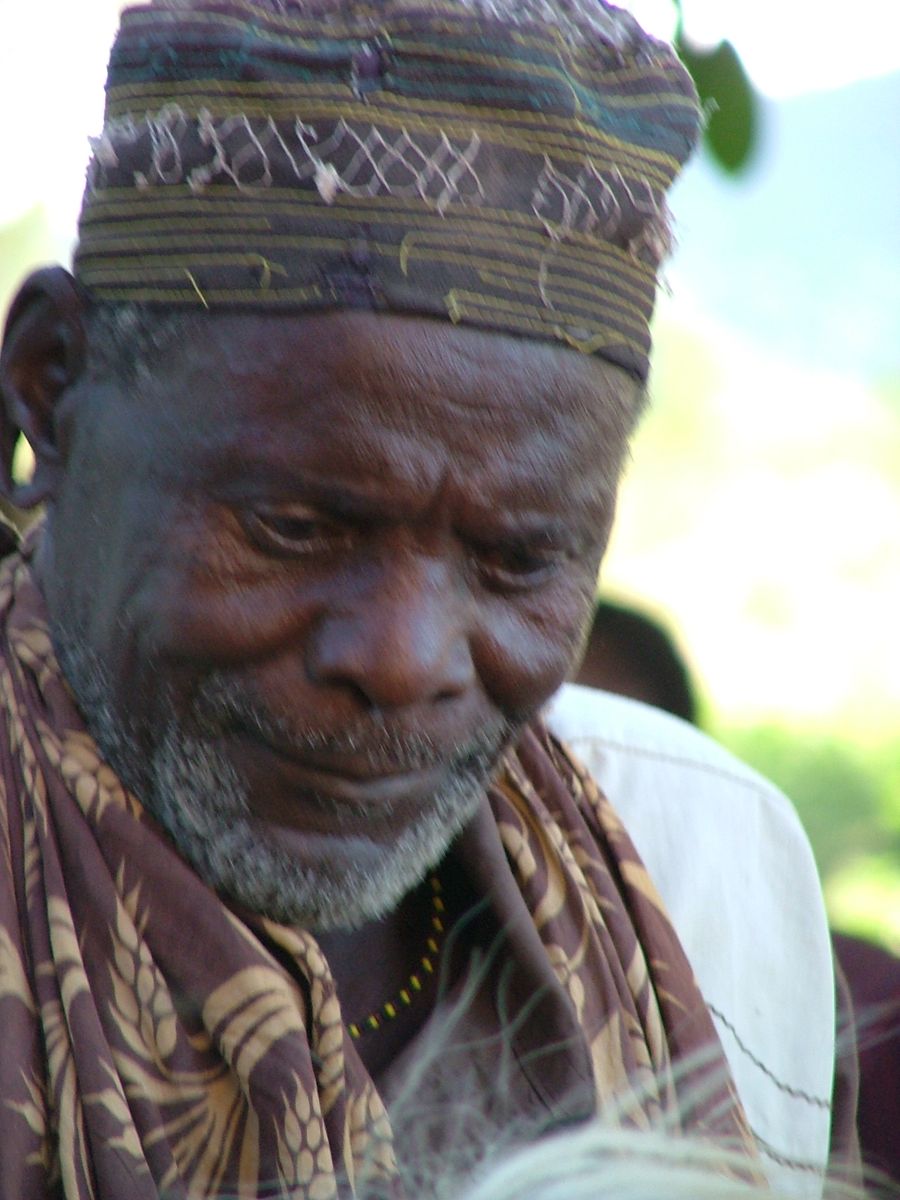
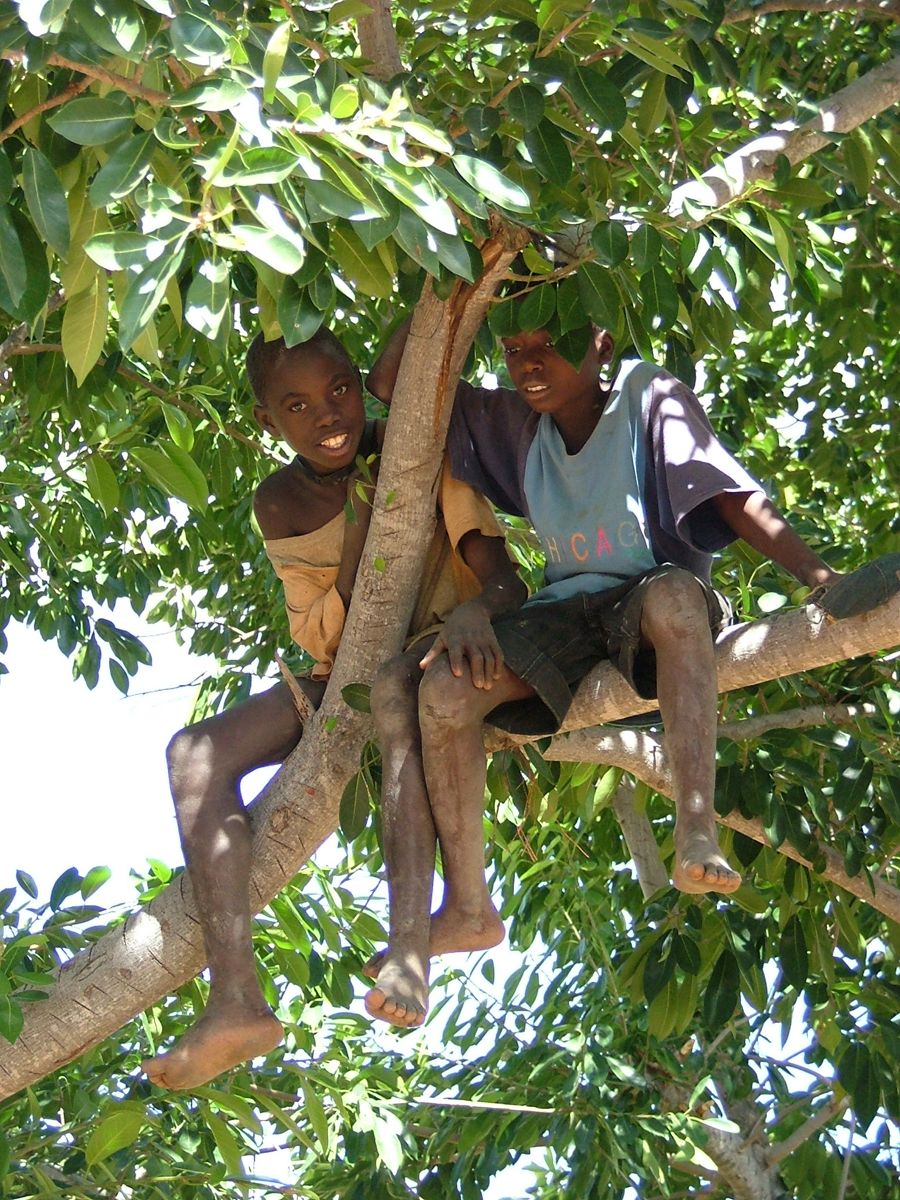
A vast continent that has at least 3000 distinct ethnic groups, (Nigeria alone has more than 370 recognised tribes) each with their own unique culture. Every time we visit, we come back changed by the breathtaking landscapes, the colourful people and the astounding musicality that holds the stories of this incredible land.
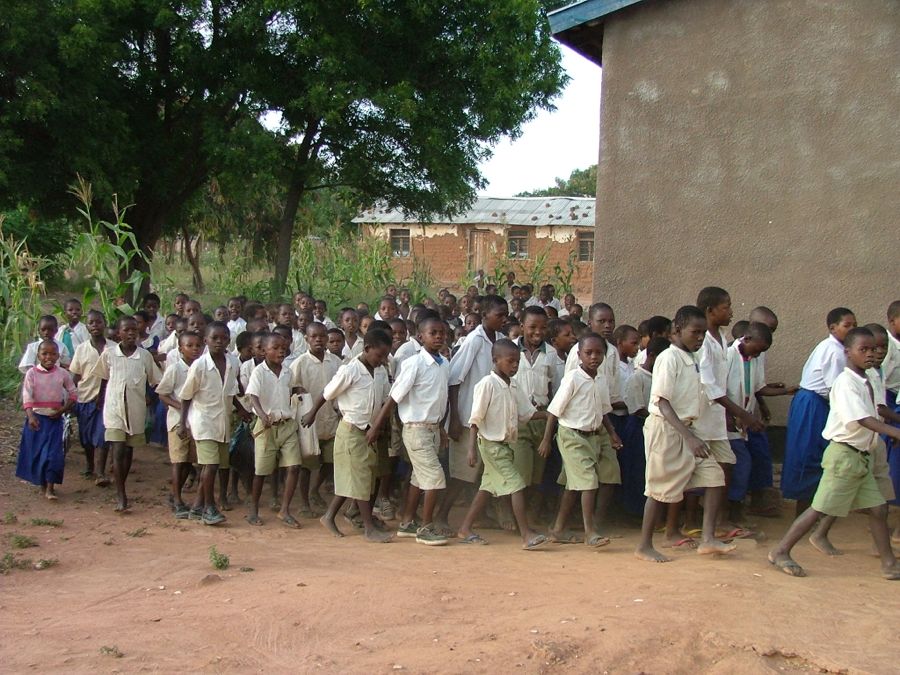
Looking out over the nearside aircraft wing, the first golden rays of daylight pierce the distant horizon, as the air steward announces in kiswahili of our impending landing in Nairobi, the capital of Kenya. I have travelled with a team of 15 to help with a conference, musical concerts and takeing supplies to village schools. The tannoy system crackles into life again, “Karibu”, welcome to Kenya. Read More
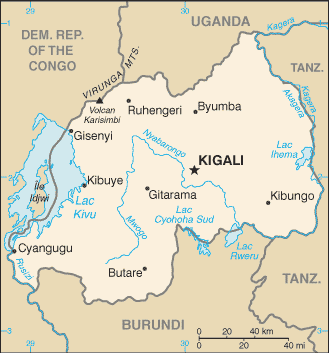 Leaving Entebbe airport in Uganda behind us, the seemingly never-ending vastness of Lake Victoria below, our destination was a small African country, Rwanda. Tucked just south of Uganda, west of Tanzania, north of Burundi and east of Zaire, this beautiful green land of a thousand hills was the scene of a devastating genocide just six years ago. Between half a million to one million people were massacred and two million became refugees at a time when this country was considered one of the most Christian in Africa, 90% of the population called themselves either Roman Catholic or Protestant. Read More