Stomp are an innovative group of dancers who use everyday items to explore the world of rhythm.
Here is a video clip on the making of the traditional Cambodian instrument – the roneat.
This is a beautiful traditional Korean drum and dance performance. Samgo-mu is a dance genre with colorful and various techniques, with dancers with three drums hung on the square frames laid out in a triangle form. Three drums are set so that one dancer may hit all of three drums whilst dancing.
A chance discussion about old sounds resulted in a very special discovery. This instrument is the last one in the village and had not been played for around 20 years. With a dual purpose it gathered maize during the day and was turned upside down and used as a drum for certain occasions. It was mainly used during female circumcision and as that custom has died out completely, the instrument has also now been forgotten.
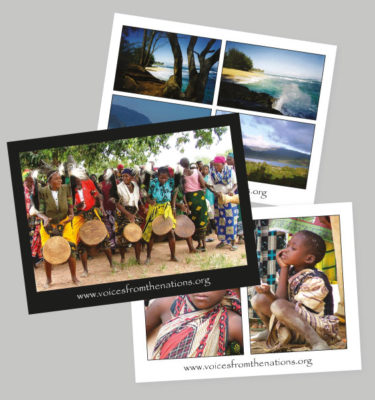
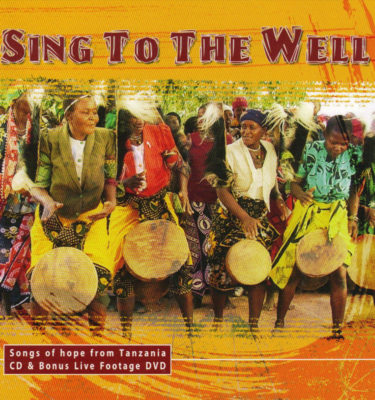
It’s a very special time of year in central Tanzania as Gogo children head out of the village for male circumcision …. the drummers are in full voice, often celebrating all through the night. Their light weight drums are made from a wood called muheme.
Very interesting …. a short video from a documentary out soon about the psychological and economic processes of transformation for a group of outcast/untouchable drummers in rural India.
Yoiking is a very melodic rhythmical way of singing, sometimes with words sometimes without words. Traditionally the songs would have spoken of life and work, reindeer, journeyings, migrations, hunting, weather and love. The Sámi people today can be found in four distinct areas – northern parts of Norway, Sweden, Finland and the Kola peninsula in northern Russia. A singer who has pioneered this style is Mari Boine from Norway.
Thanks to Robin Green for finding this amazing video of how rhythm is an intrinsic part of daily life for the Malinke people. “The word for rhythm ( used by the Malinke tribes ) is FOLI. It is a word that encompasses so much more than drumming, dancing or sound. It’s found in every part of daily life.”
Konnakol is the art of speaking/singing percussion syllables vocally in South Indian music. Very thankful to Ellen for this wonderful example of konnakol (singing percussive syllables) against the hand clap tala (meter).
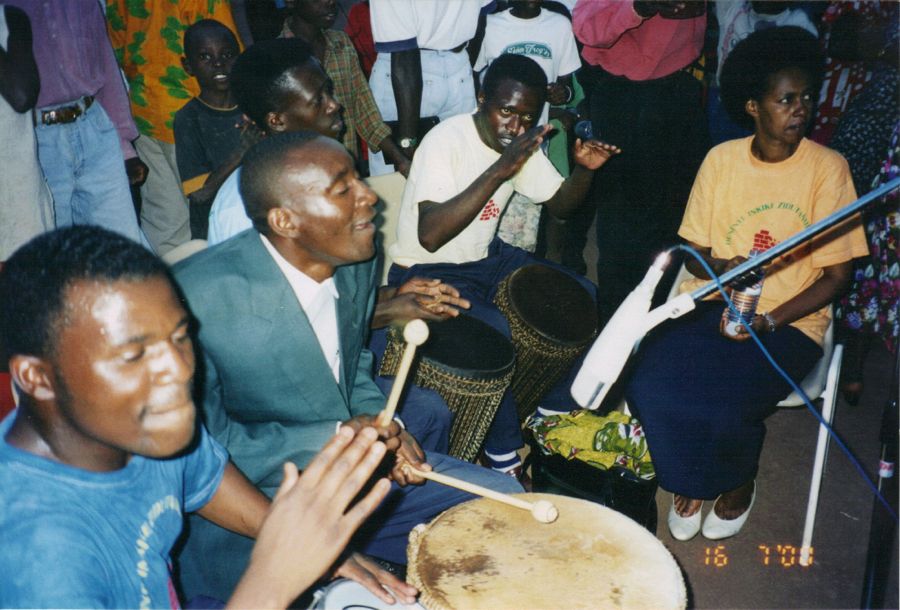
The drum plays a very important role within African culture. Musicians known as “griots” who wander from village to village telling stories, preserving and reciting the great historical traditions, blessing the people and bringing current news from afar will often be accompanied by a drummer. Like a bee, collecting and pollinating. How would today’s “griot” evoke a message?
One of my first experiences with the Kodo drummers was when I was part of their first ever workshop in London. They are an amazing group who live together in community on a small island of Japan.
I have many stories where music has played a part in bringing healing. I remember reading a book called “The Healing Drum” written by Yaya Diallo many years ago. In the tradition of the Minianka, music is a remedy for both physical and psychological imbalances.
Recently I read on the BBC web site “Musician Simon Lee, from Kent, is called on to teach drumming to patients with problems ranging from addiction to autism, and learning difficulties to mental health issues. He has even offered help to terminally ill patients needing palliative care. And he says the results are amazing.” Check out the rest of the article here.