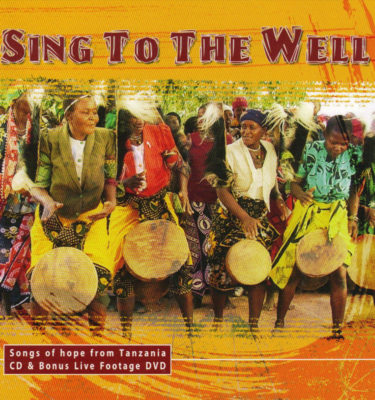
Friend Tony Green and the Well Pennies are currently organizing shows around the country where they play with local youth orchestras & string programs!
After many trips to Sweden I finally got a chance to sit with a Nyckleharpa player. I had heard the stories and seen videos but this was the first time to see the instrument up close – and what a work of art. The making of instruments always fascinates me and I could see the influences of the hurry-gurdy that must have inspired the inventors way back in the mists of time. This particular instrument was made by Annelie Westerlund’s father. Read More
This video comes from Aotearoa, New Zealand – the land of the long white cloud. It is an incredible cultural tribute, honouring a teacher who died. Made us both cry! It is their school Haka and this is the translation: Read More
Today whilst wandering around a local market in Cancun, Mexico we met Enrique and Porfirio – marimba players. They played a song from Chiapas, where it is thought that the origins of this wonderful wooden instrument came about. Versions of this instrument from Africa i.e.. balafon came to Central America and a musician from Chiapas, expanded the original marimba to include the chromatic scale by adding another row of bars, like the black keys on the piano.
I read in one article that “It is indeed difficult to walk down any street within the state without hearing “las maderas que cantan” or what Chiapans affectionately call “the wood that sings.”
So are there any similarities with our modern day xylophone? I am glad you asked – yes. It is the same instrument with two noticeable differences. Firstly, in the Mexican tradition most of the time there will be several musicians performing on a single instrument, and secondly the instrument has a very distinctive “buzz” that is an integral part of the Mexican sound.
We spent a wonderful few days with Jerry and Leslie Chapman in Washington State learning about the stories and traditions behind drum making. Jerry, Stó:lō Nation, has been making drums for a number of years and together we shared our respective drum restoring and designing traditions.
Alemu Aga plays the begenna – an instrument dedicated to prayer and meditation. It was believed to have been brought back to Ethiopia from Israel 3000 years ago when Queen Sheba visited King Solomon. It is also known as the Harp of King David – listening to this wonderful sound can give us a different perspective on what some of the ancient musical instruments might have sounded like in times of David’s temple.
A moment of spontaneous drum music during a gathering at the Santa Ynez reservation in California. The two voices are a male Pueblo Indian chant and a female voice singing in Hebrew.
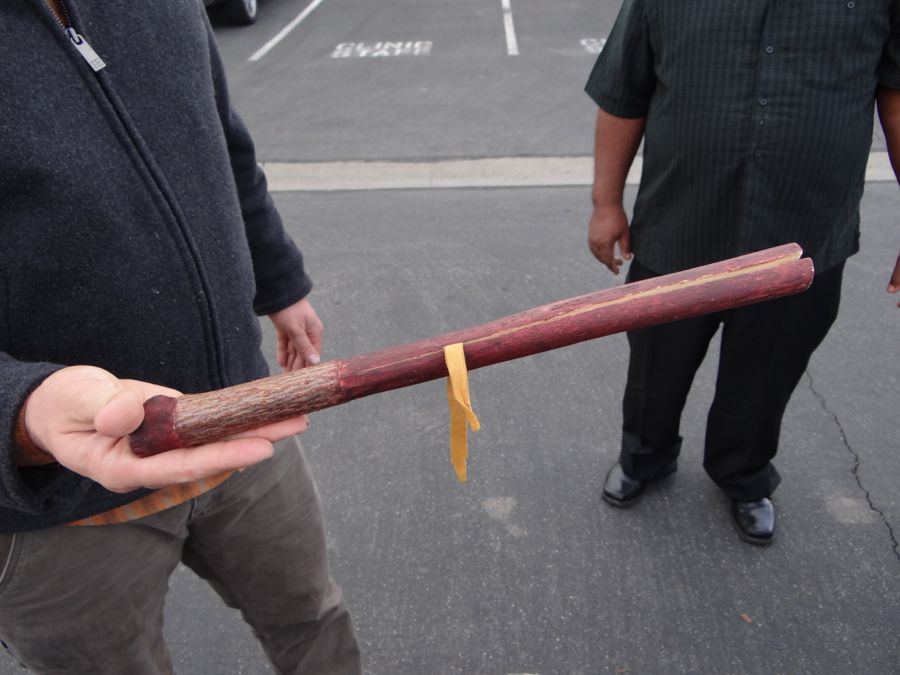
A wonderful drum, I managed to pick up on my travels in India. Whereas the Tabla and Pakhavaj are used more in classically influenced situations the Dholak is widely used in folk music in India.
Check out this world record gathering of 508 Alphorn players in 2013. What an incredible sound!
What an amazing sound – apparently they were used to signal to each other from across the valleys, in order to summon help, communicate to each other, and announcing daily activities, such as calling a council, or gathering for war!
If you would like to learn how to play – check out the Alphorn project.
A wonderful tradition of singing that many people associate with Switzerland although there are many forms that have been traced back to Georgia, Persia, Central Asia and Central Africa. In Appenzell, they come in two forms: the Zäuerli and Ruggusseli yodels. The Ruggusseli is thought to be a sadder yodel due to being sung in minor keys.
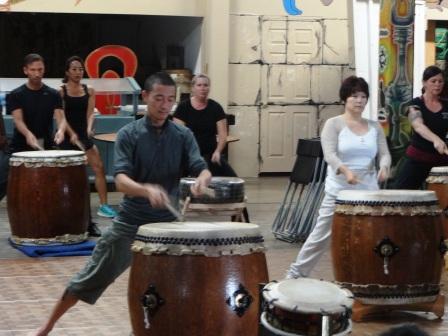 I find it fascinating how different styles of drum groups evolve. I have found a taiko group here in San Diego that have been playing together for many years and get together to practise a few times a week. ( I managed to get in for a couple of lessons) I was first introduced to taiko through a workshop i did in the UK with the Kodo drummers who are based on Sado Island in Japan. Read More
Anna-Maria Hefele demonstrates overtone singing, a voice technique where it seems like one person sings two notes at the same time.