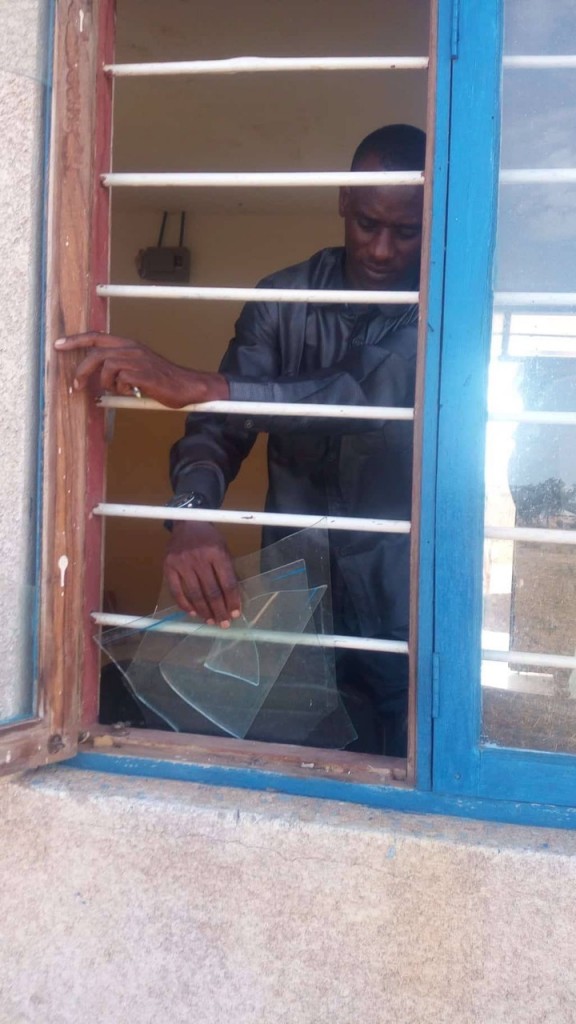
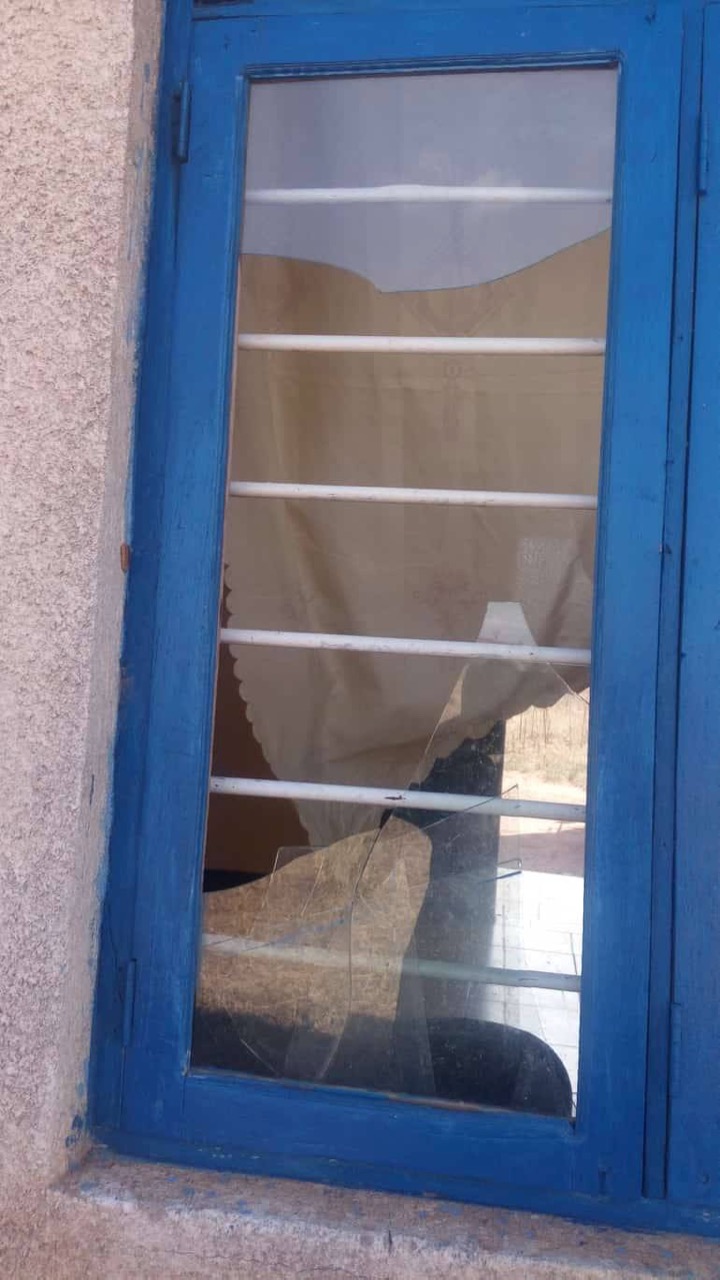
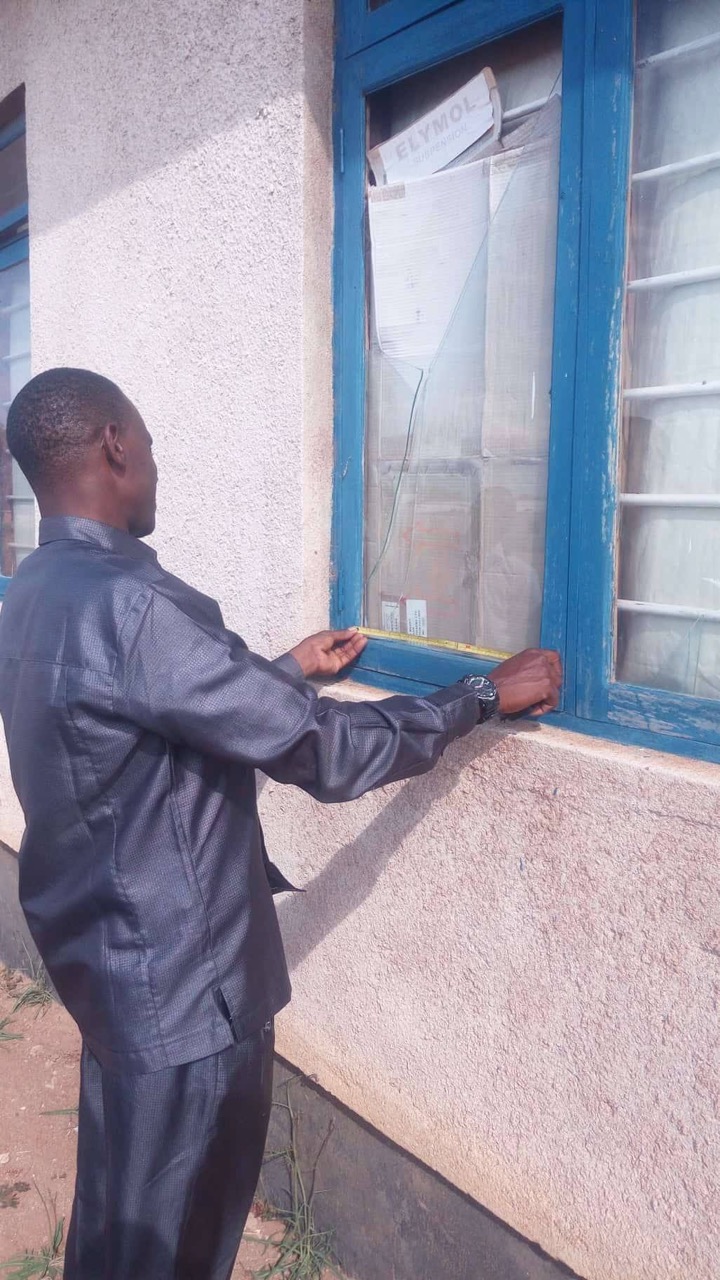
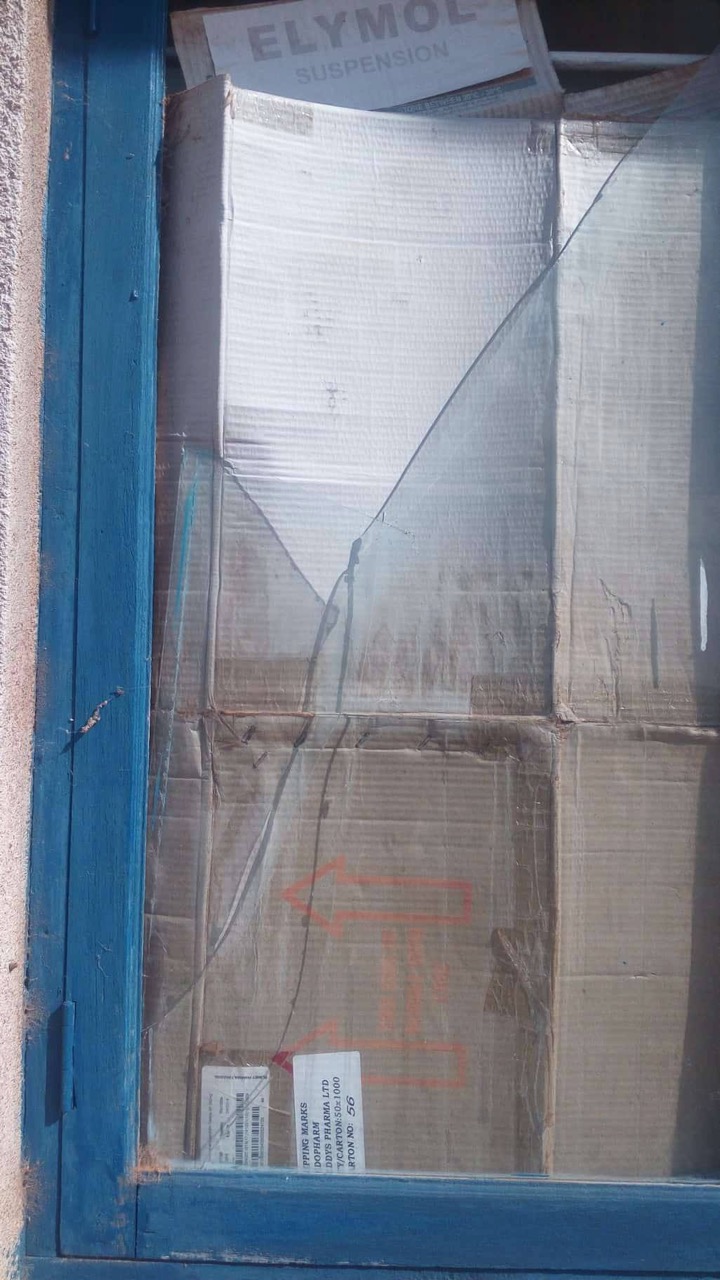
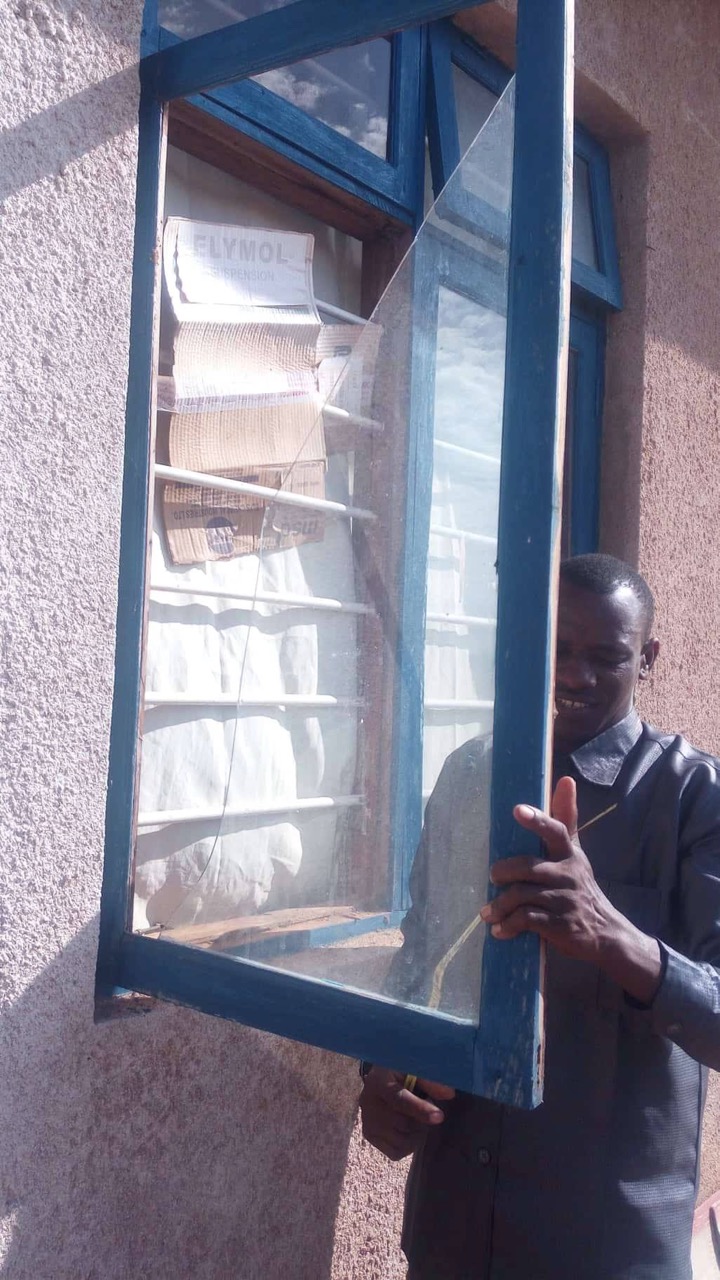
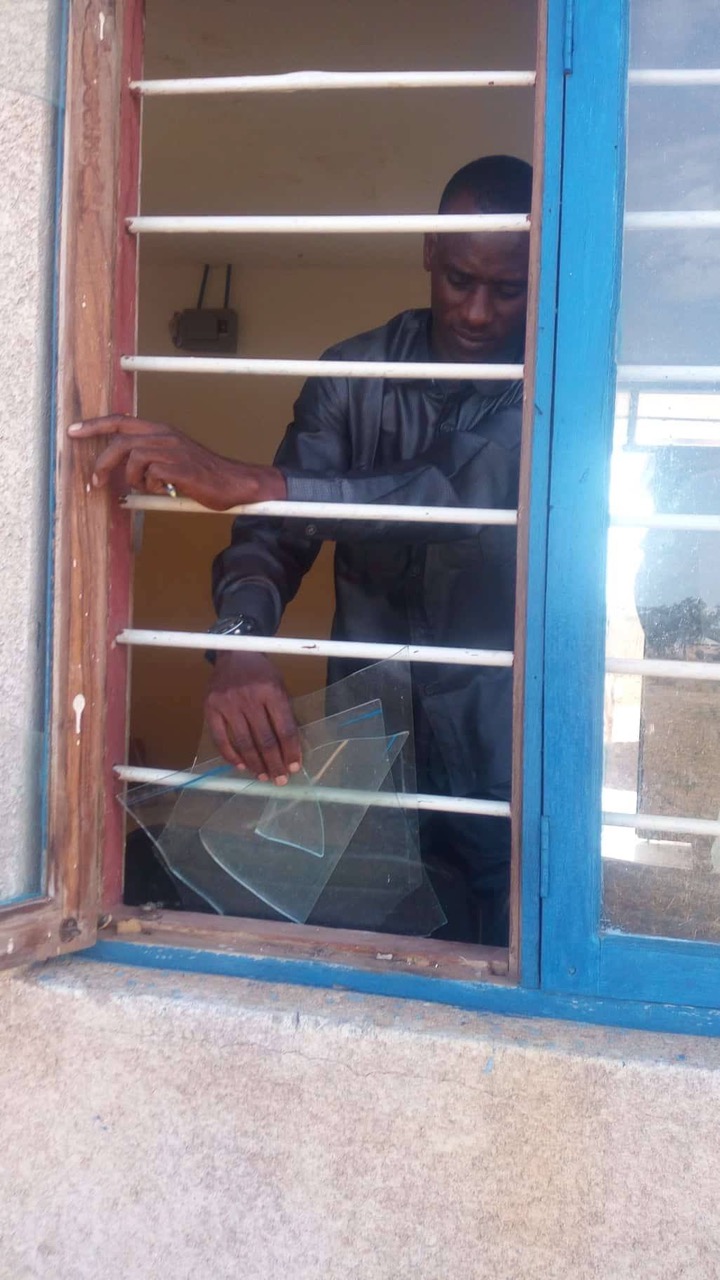
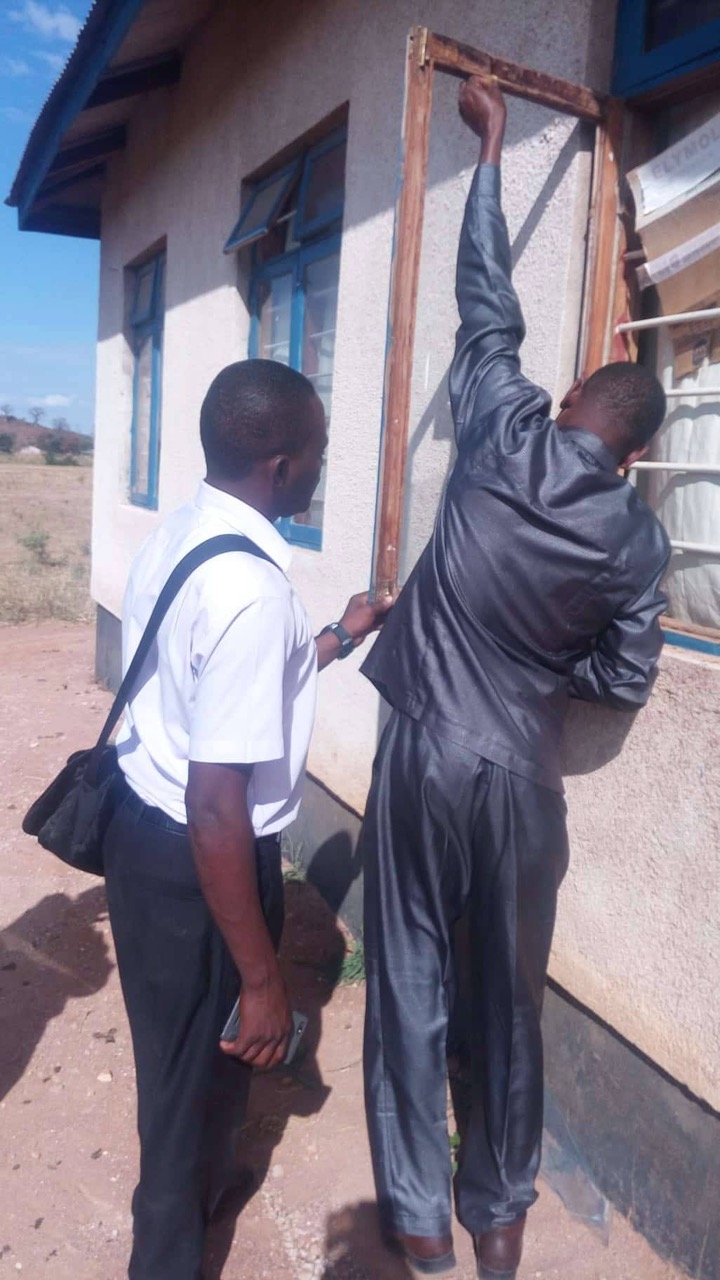
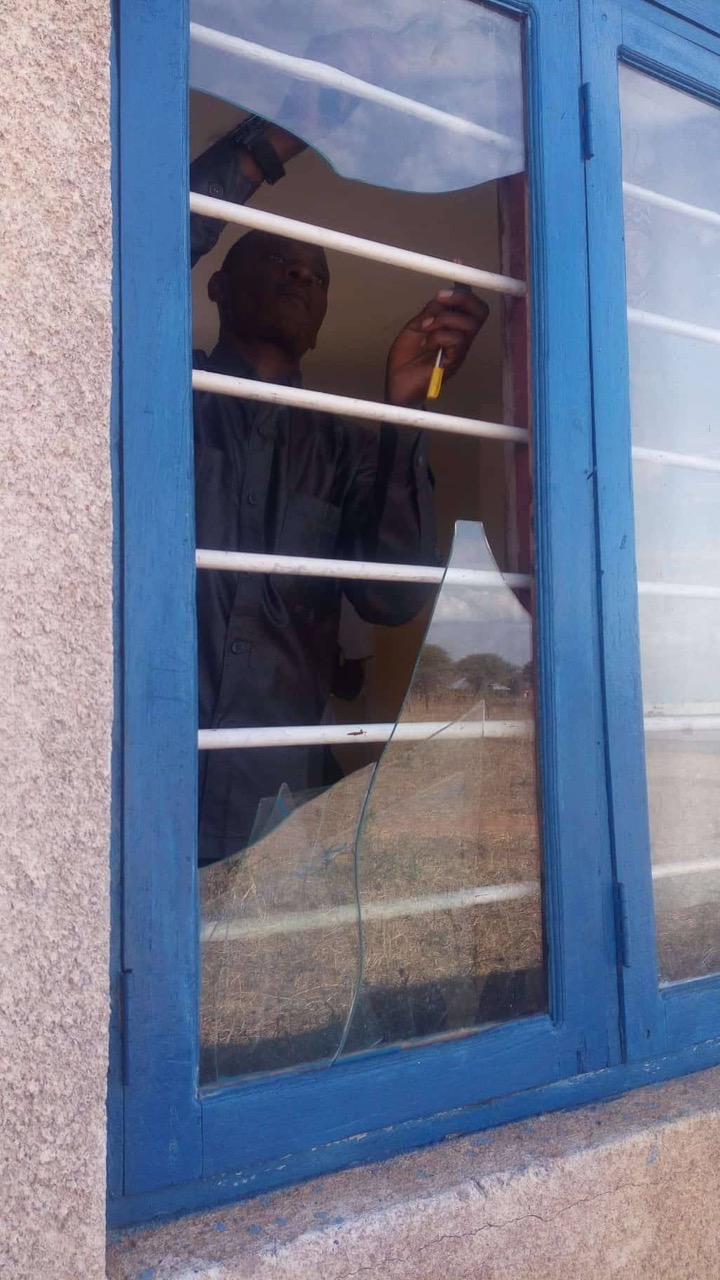
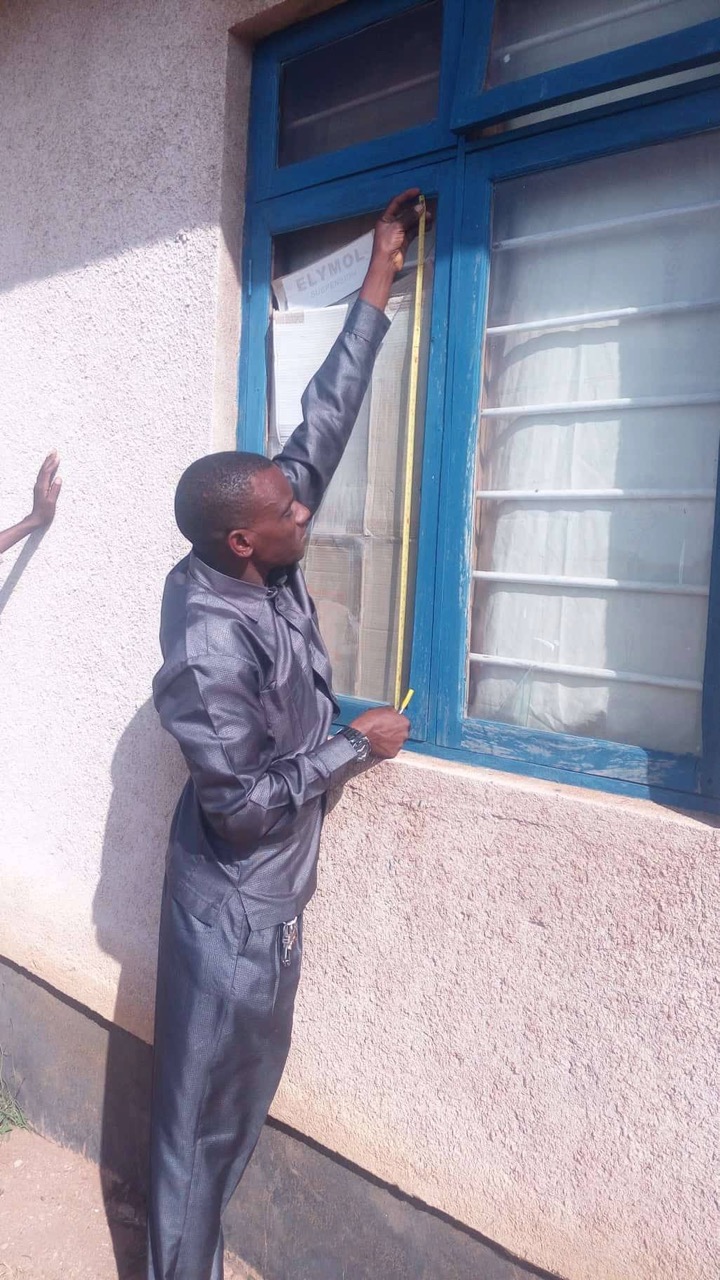
Due to high winds and a dust storm the medical dispensary in Tanzania has taken a hit with many broken windows. VFTN are sending resources to renew glass and curtains.
Another instrument that intrigued me whilst in Wales was the crwth, one of Wales’ oldest instruments. It is a form of stringed lyre which is played with a bow and which has a range of just one octave. Cass Meurig is one of the leading exponents of this wonderful instrument. Read More
Rebekah and I have just come back from spending 8 days traveling around the south of Wales exploring some of the ancient Celtic sites. During this time we also discovered more of the rich history of music and song. The unique triple harp originated in Italy in the 16th Century yet became so popular in Wales that it is now known as the Welsh harp.
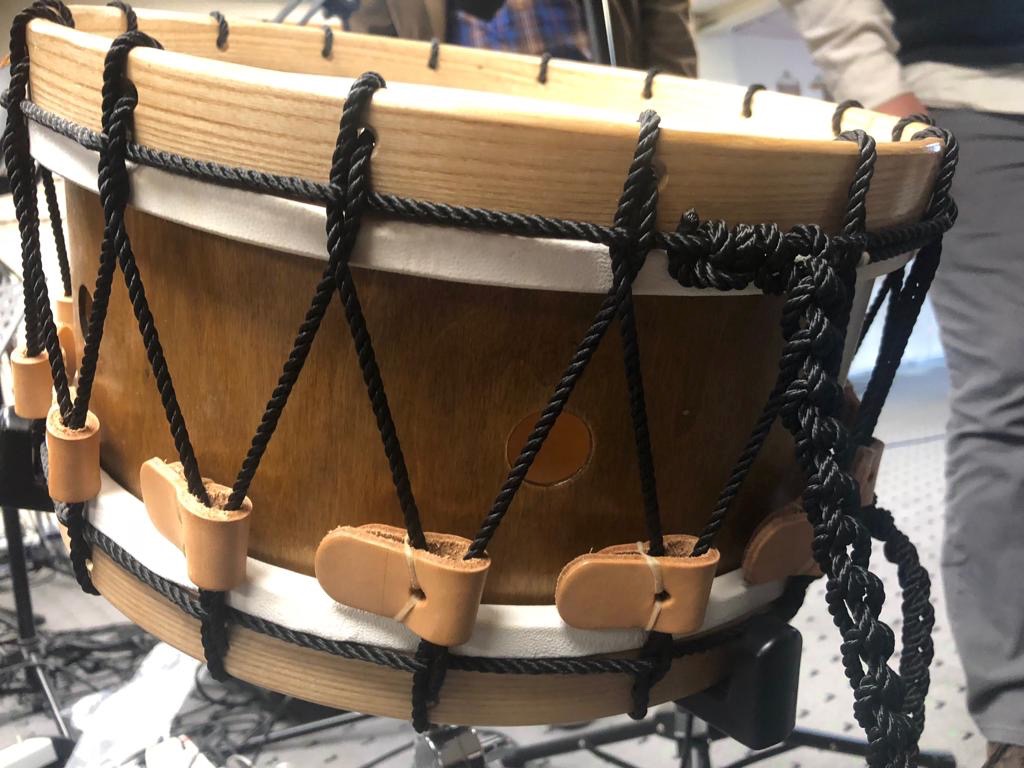 After an evening of listening to storytelling and songs from Ray Hughes in a church in Milford Haven I got to play a tabwrrd, a traditional Welsh drum. That day I had been doing some research about this instrument and found out that there was only one drum maker in the whole of Wales who still made this traditional drum. So you can imagine my joy in turning up to a church who had a drum made by this same company. Two days later I met the makers and I am now excited to tell you that they are now in the process of making me a drum. Read More
A wonderful TV presentation looking at the songs of the Maori made by the New Zealand National Film Unit.
Fascinating documentary about the peoples of Oaxaca, central Mexico and how there whistling language is being documented so it won’t be lost.
I love how rhythm starts with what you have around you. In some places it’s as simple as water! The Baka woman from Cameroon, Gabon and Congo use the sounds of water to accompany their songs – as do the woman of Vanuatu, a volcanic archipelago in the south Pacific.
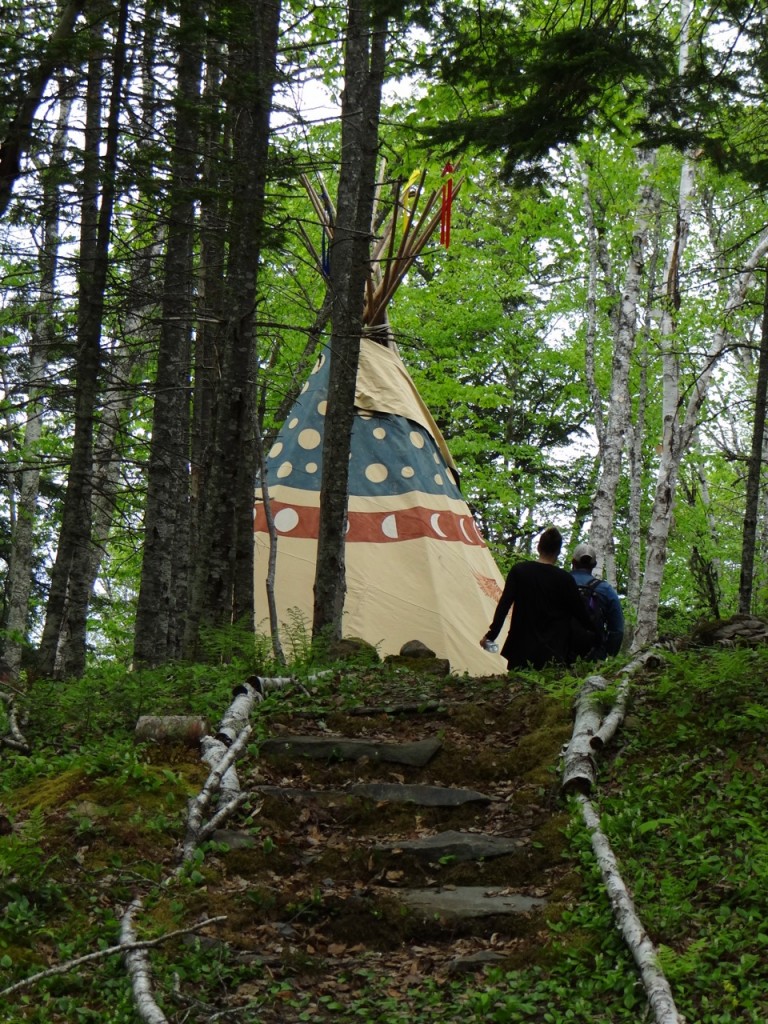
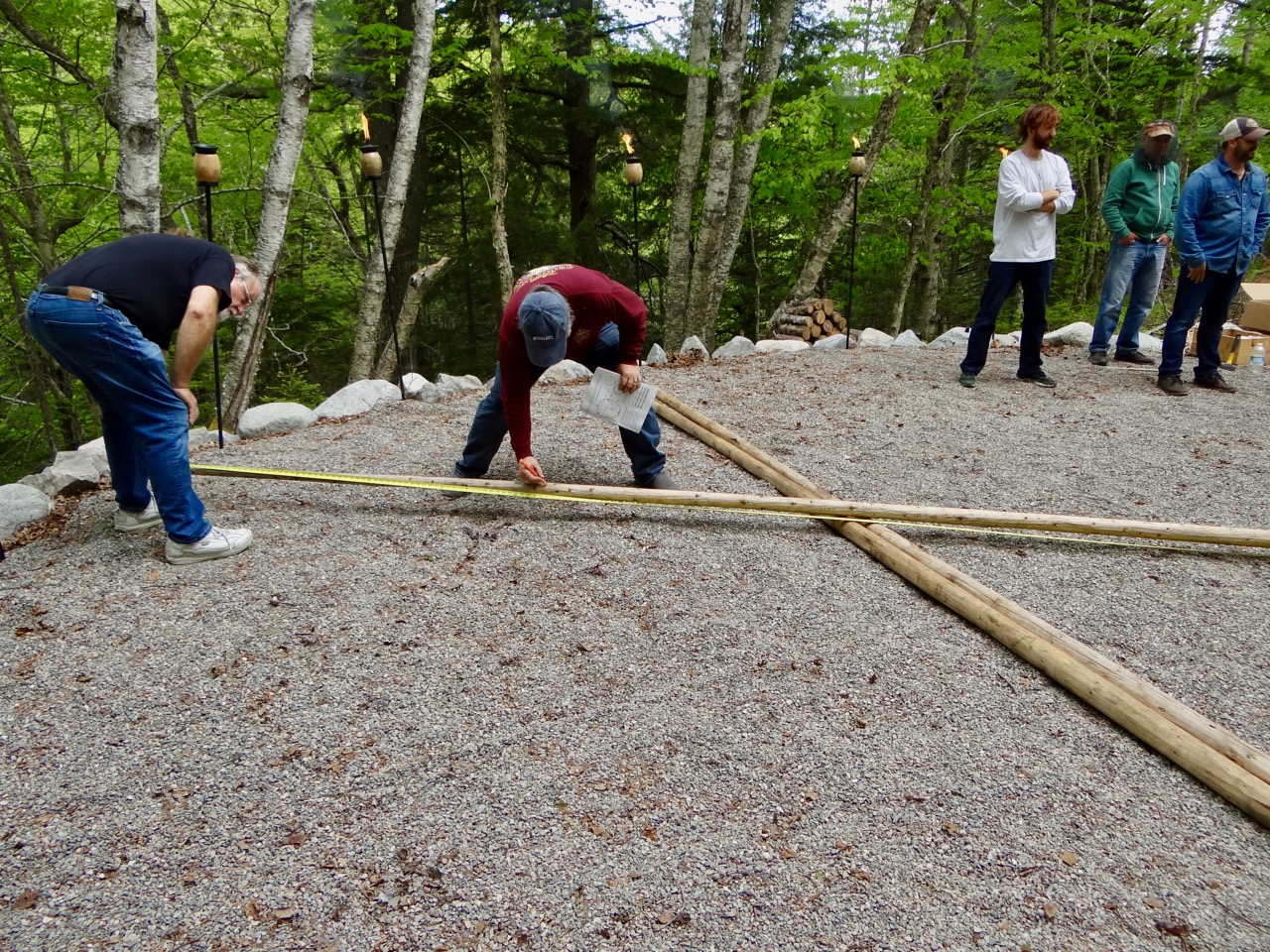
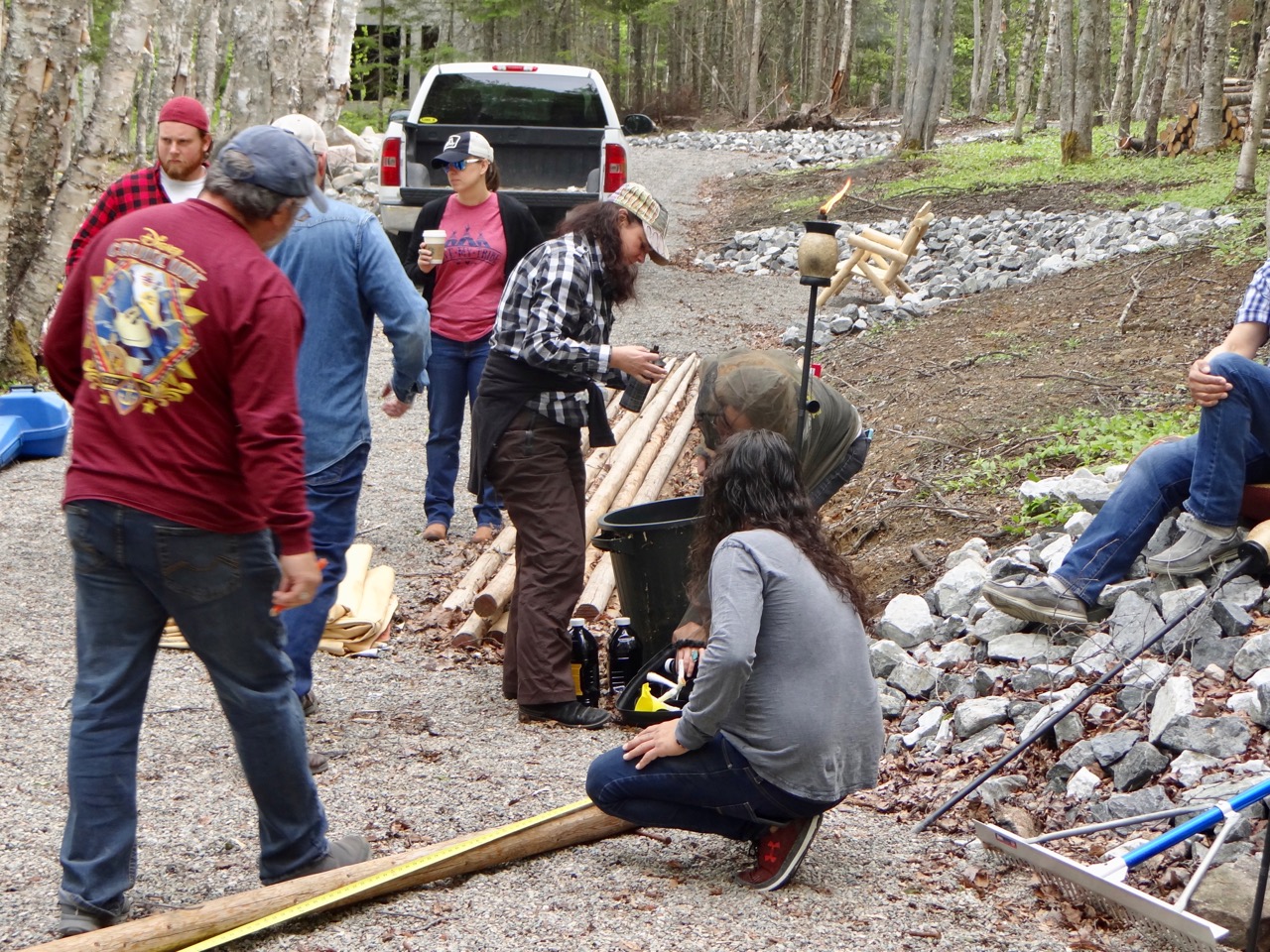
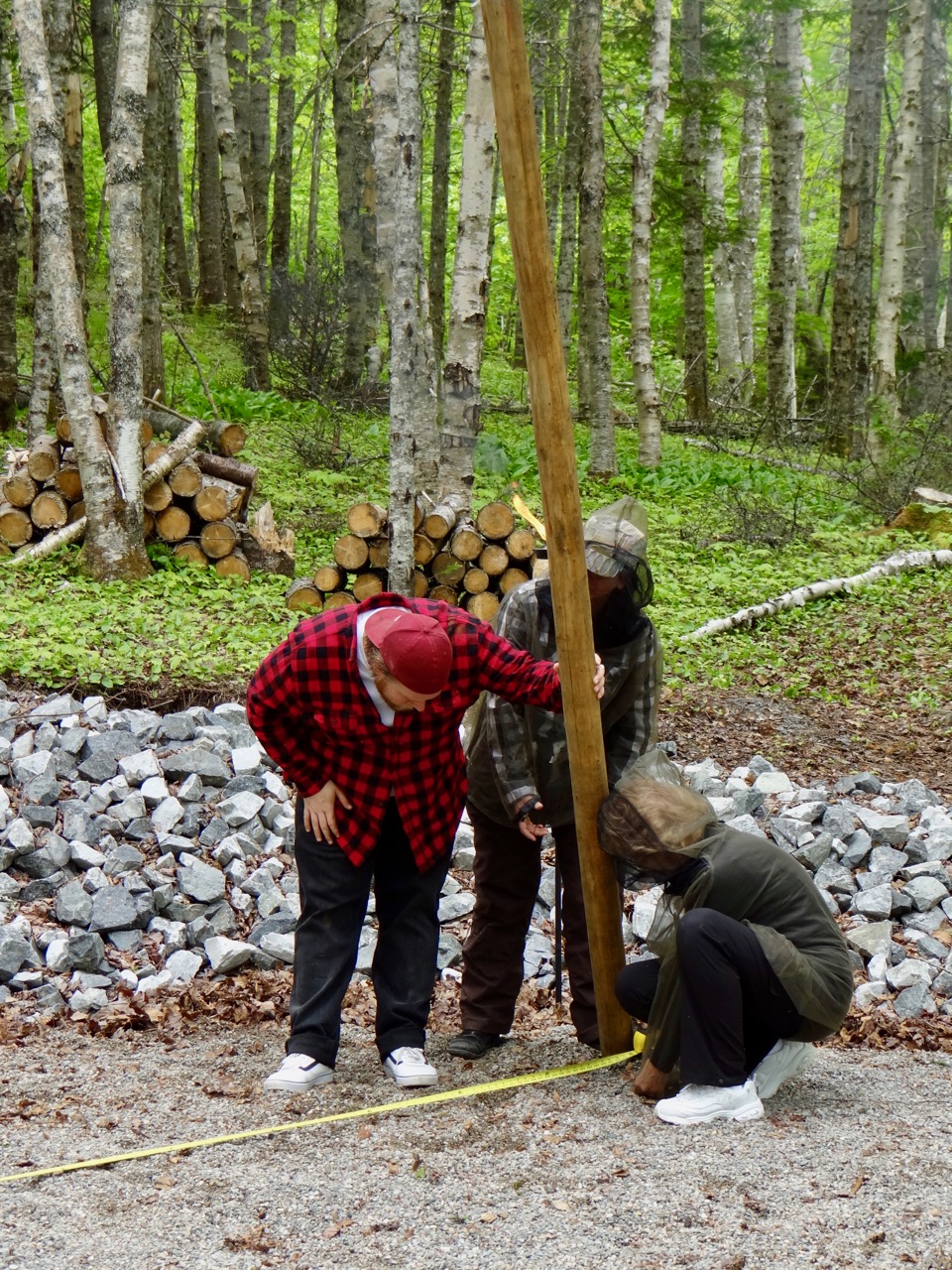
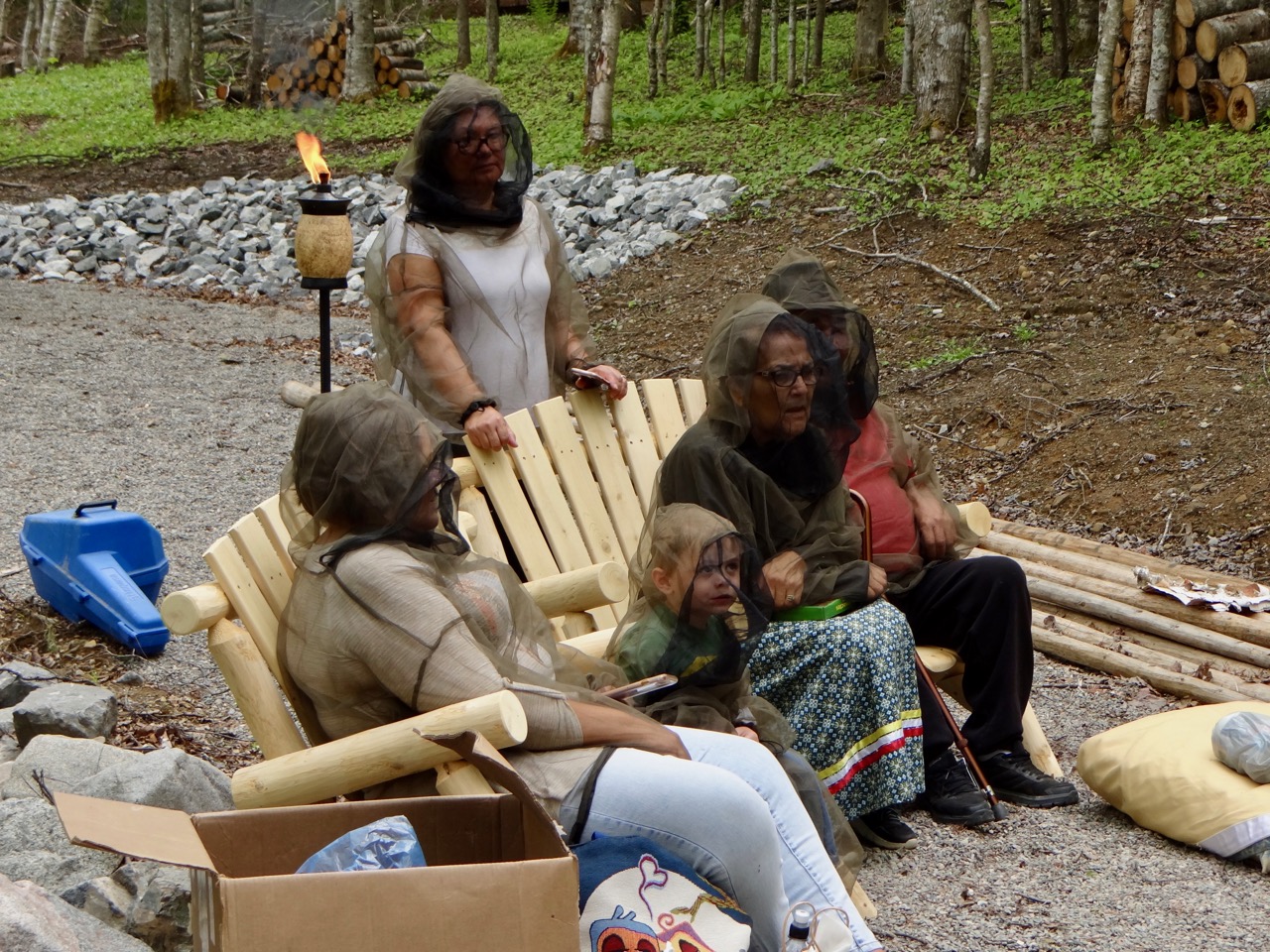
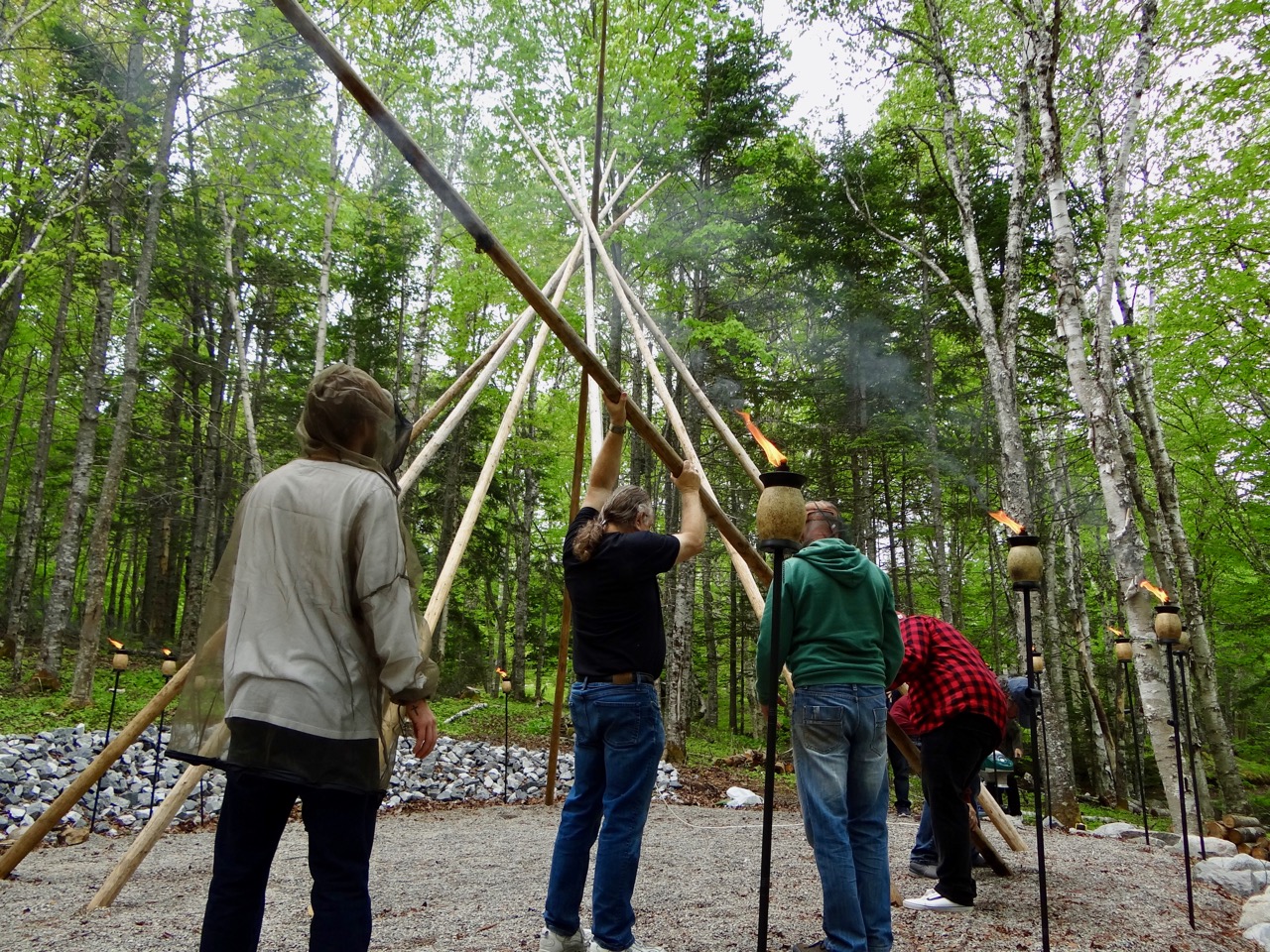
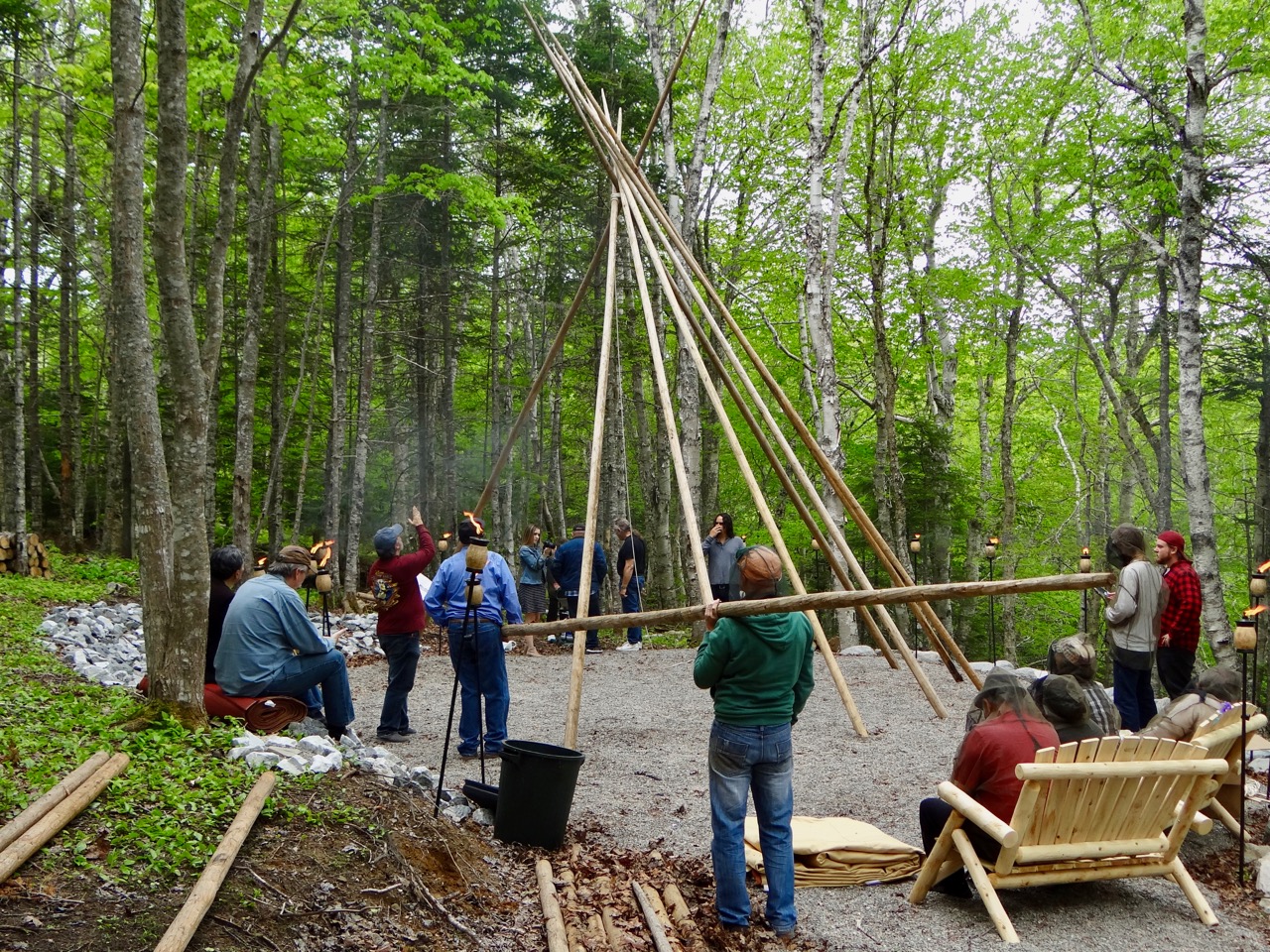
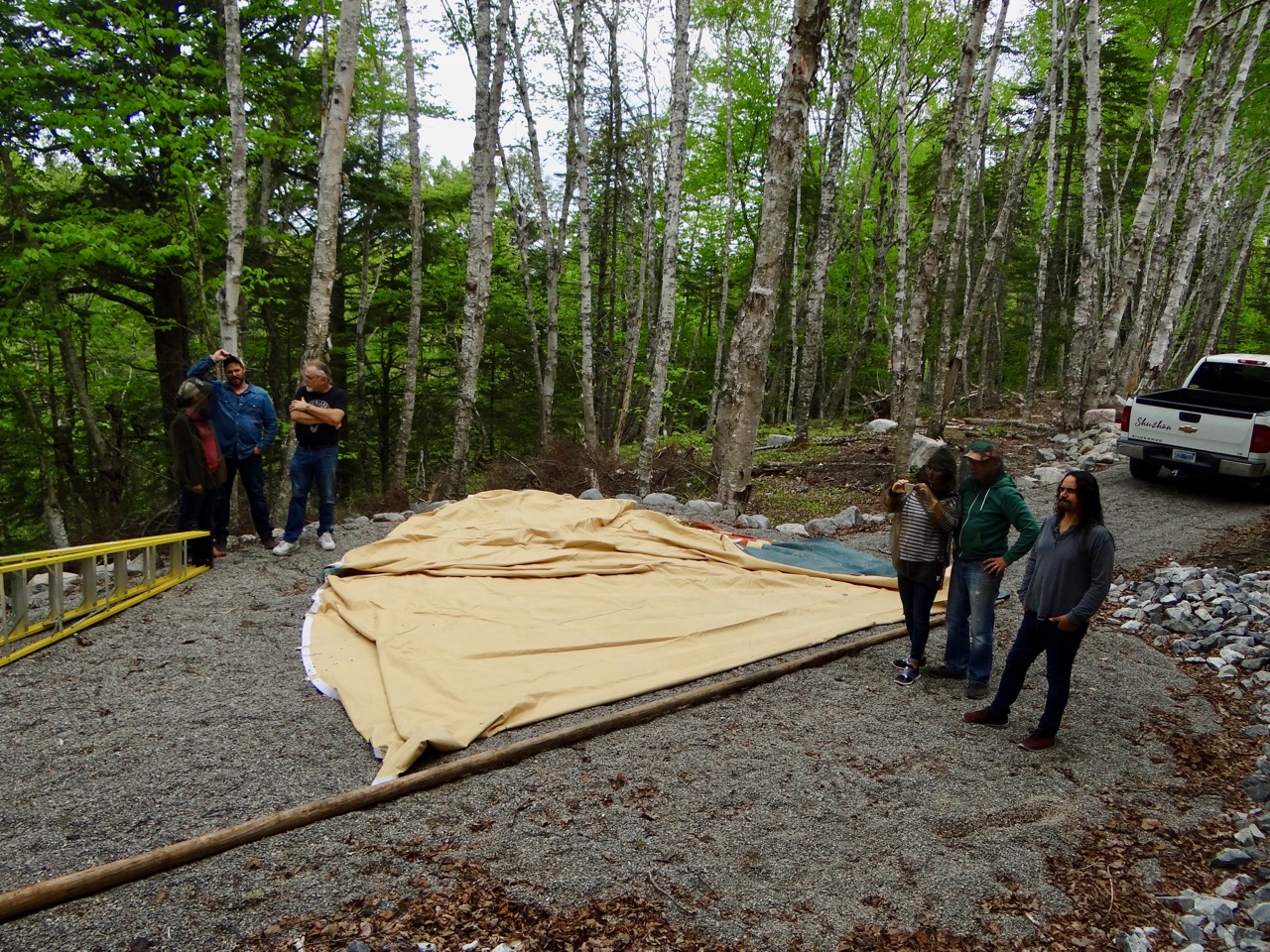
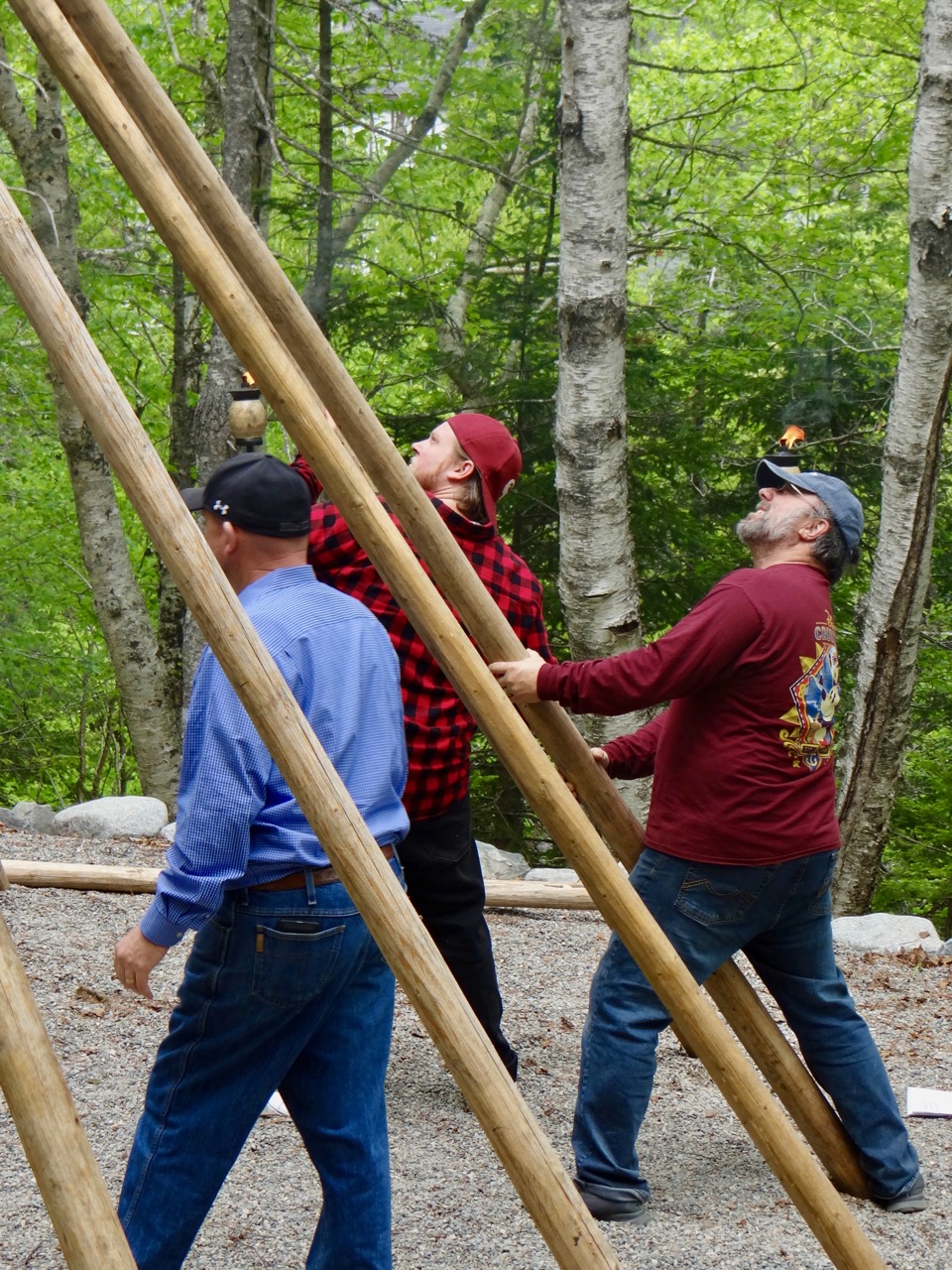
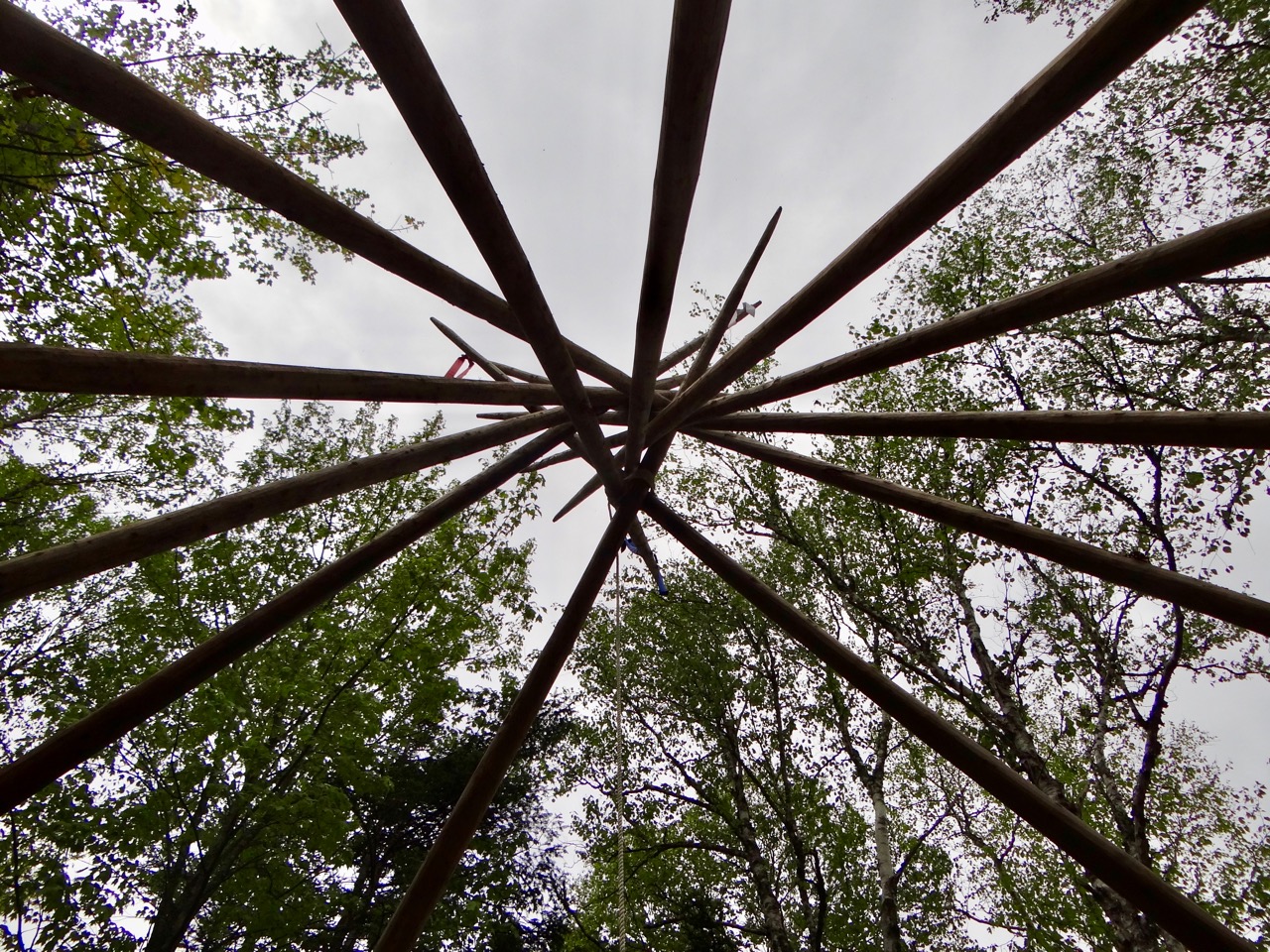
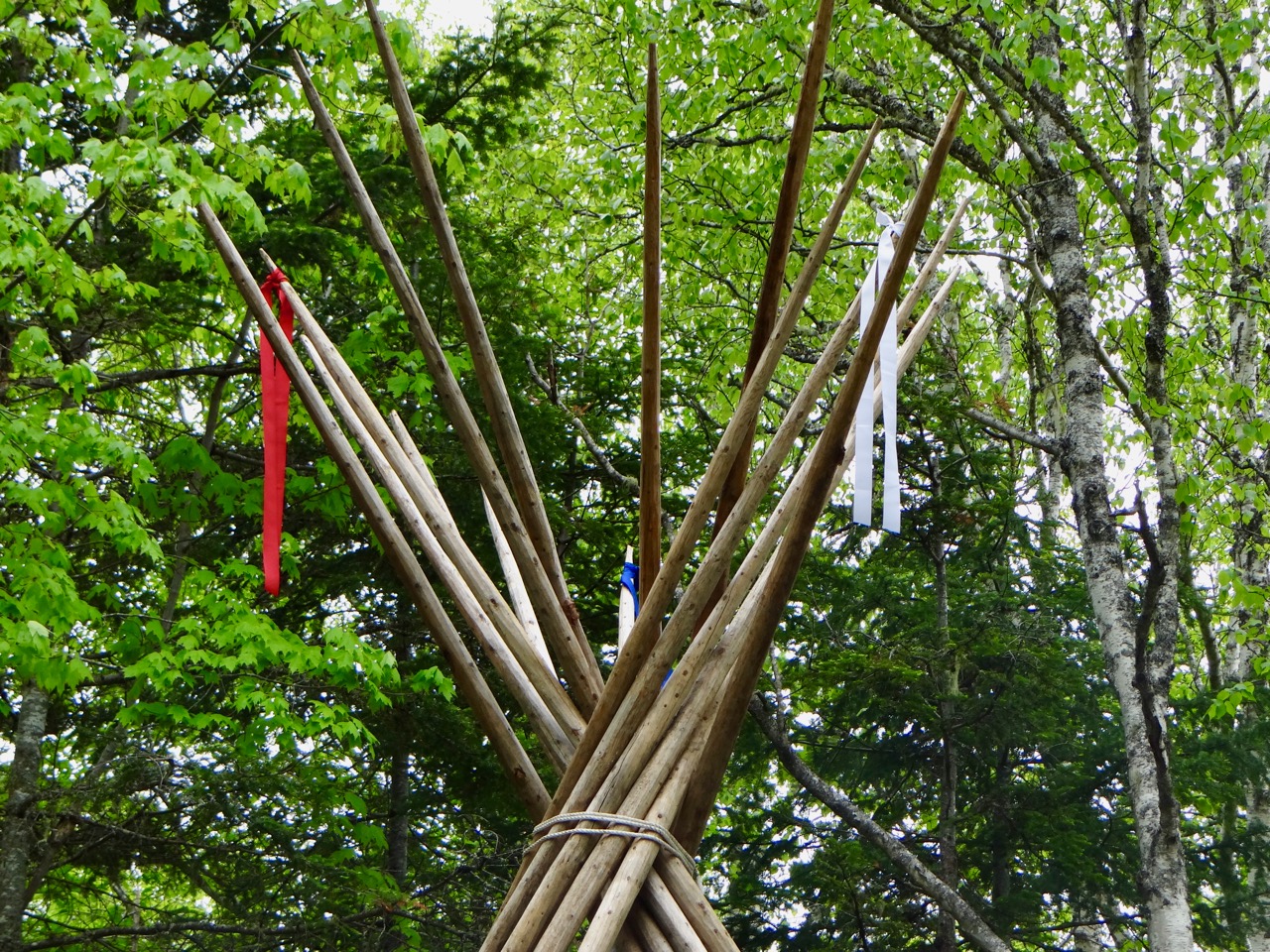
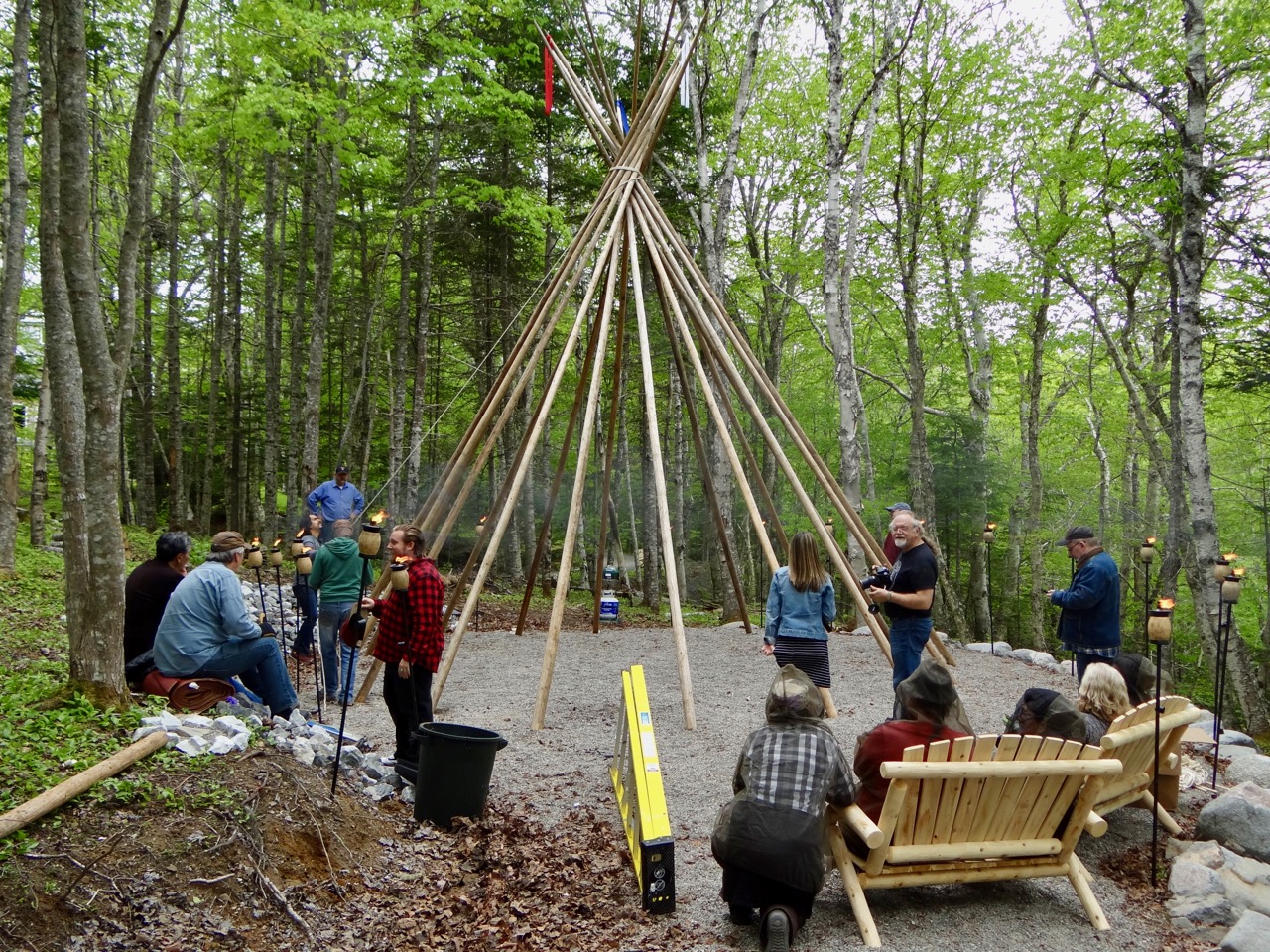
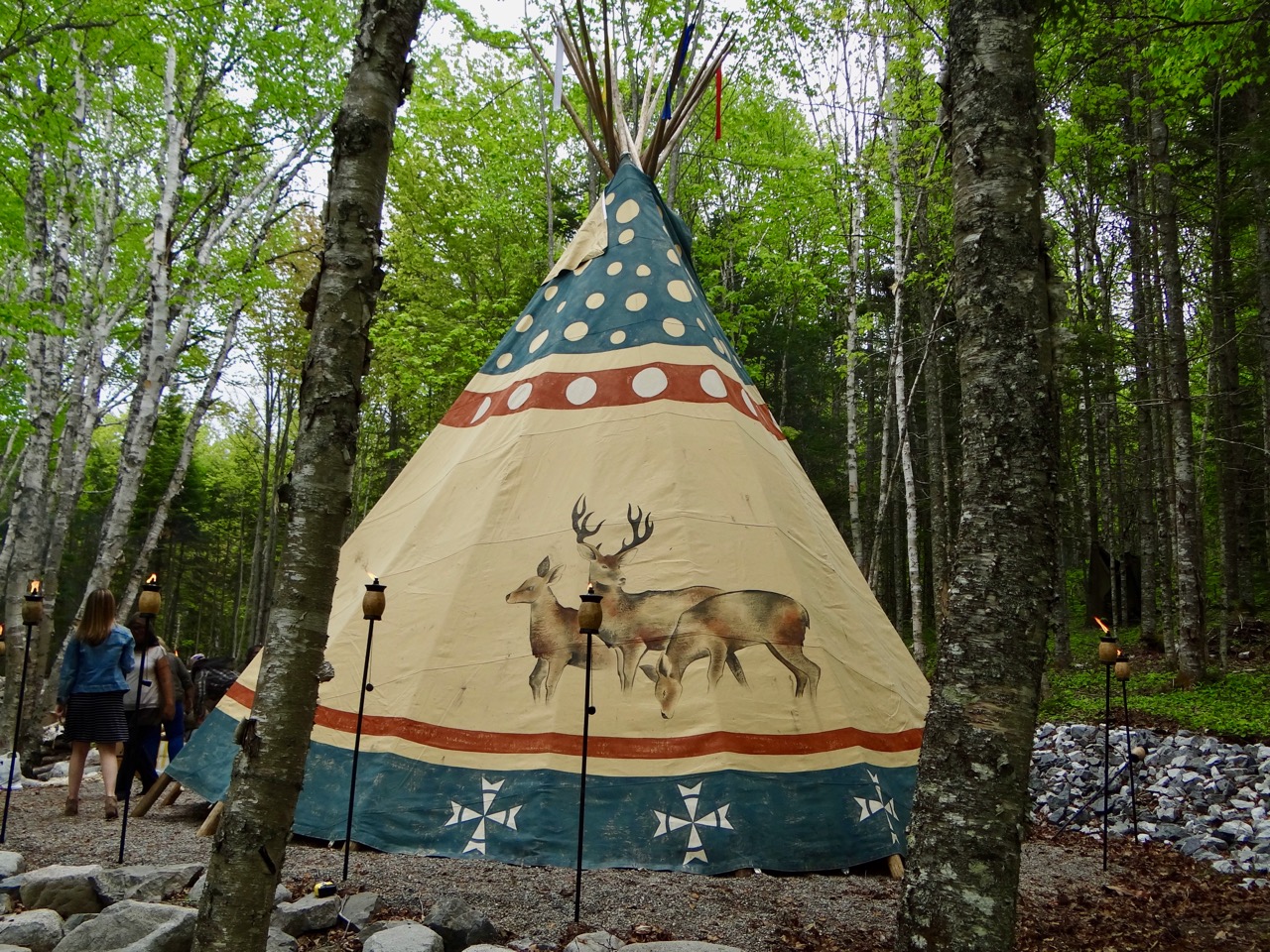
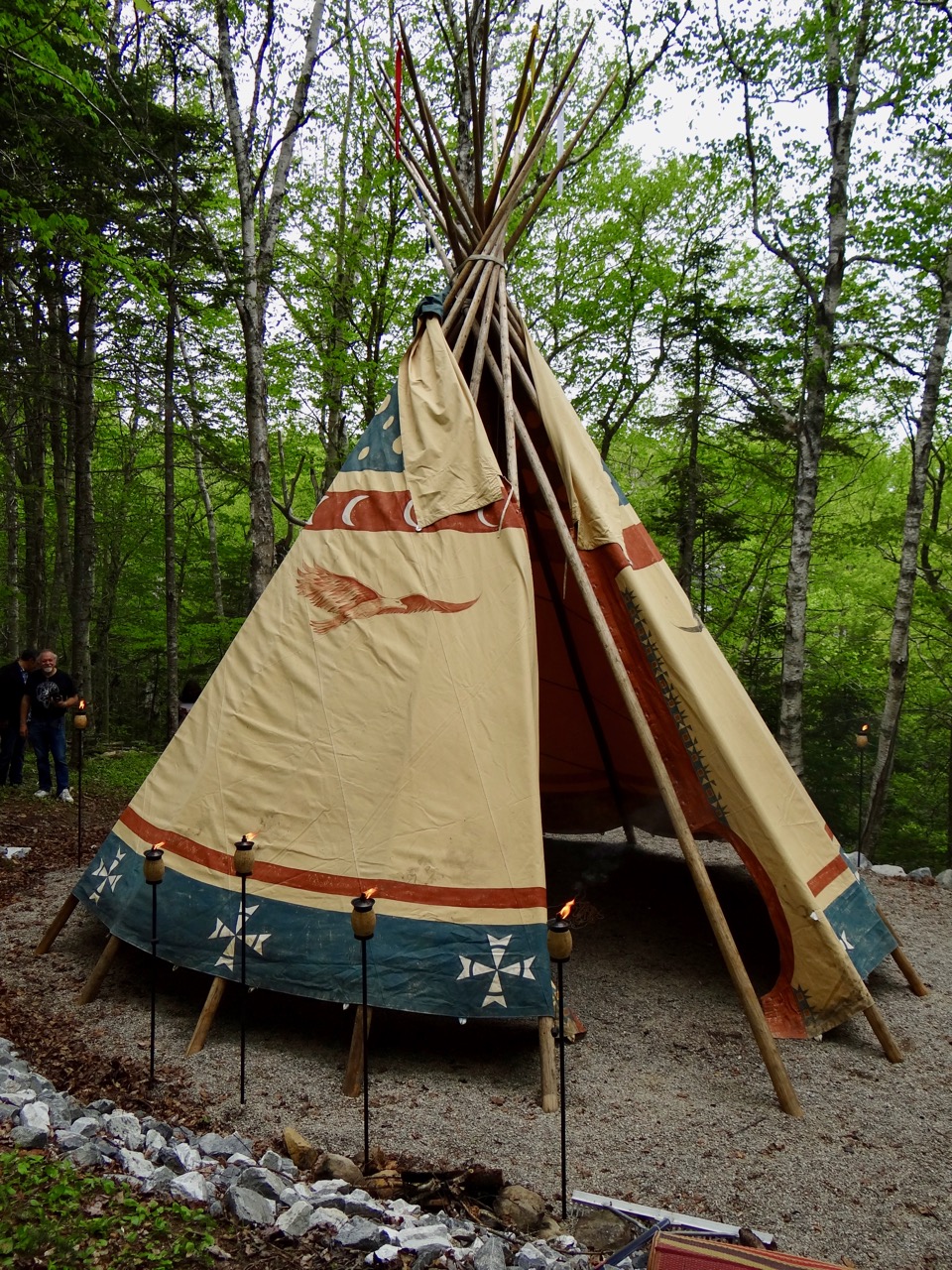
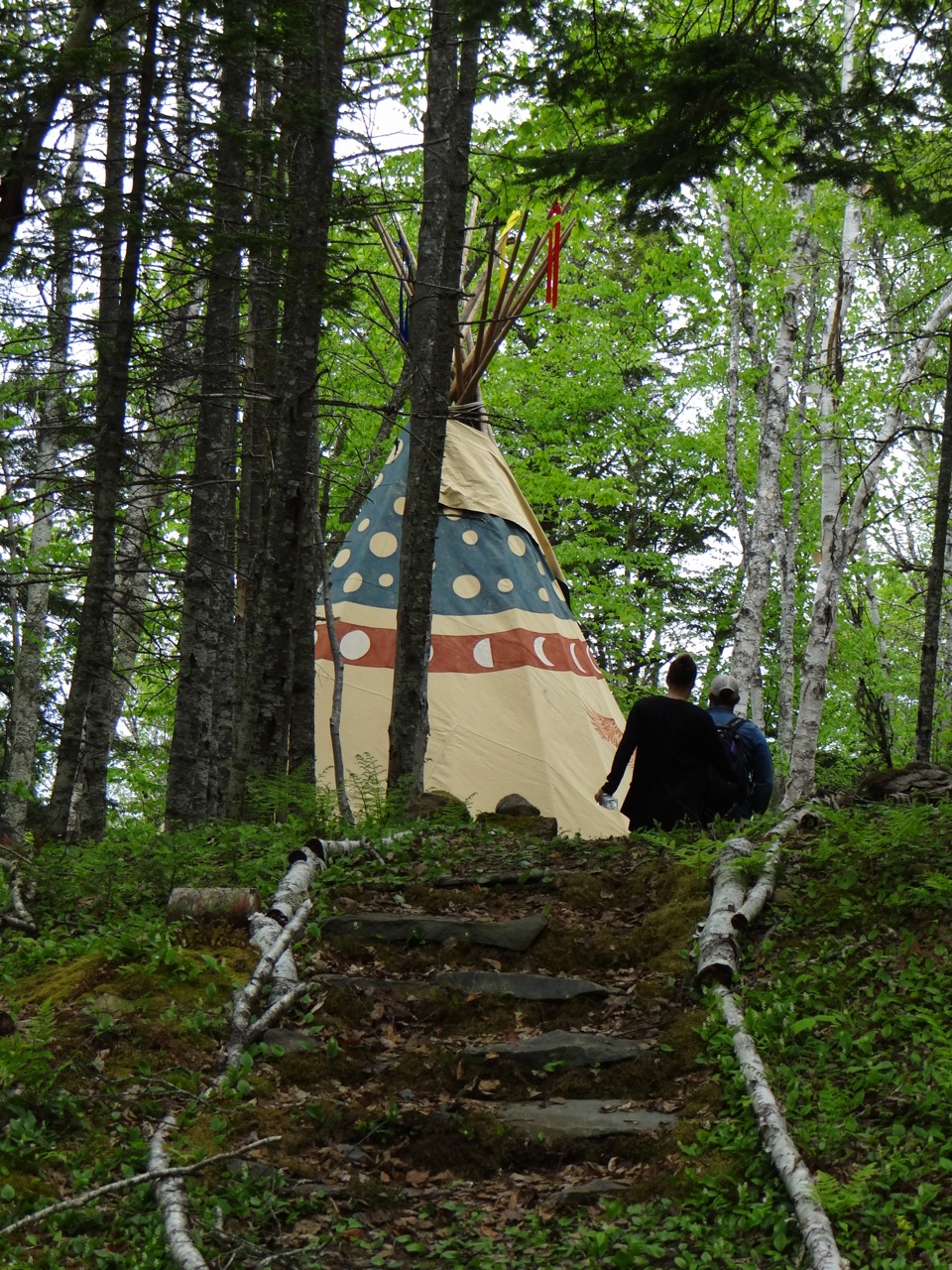
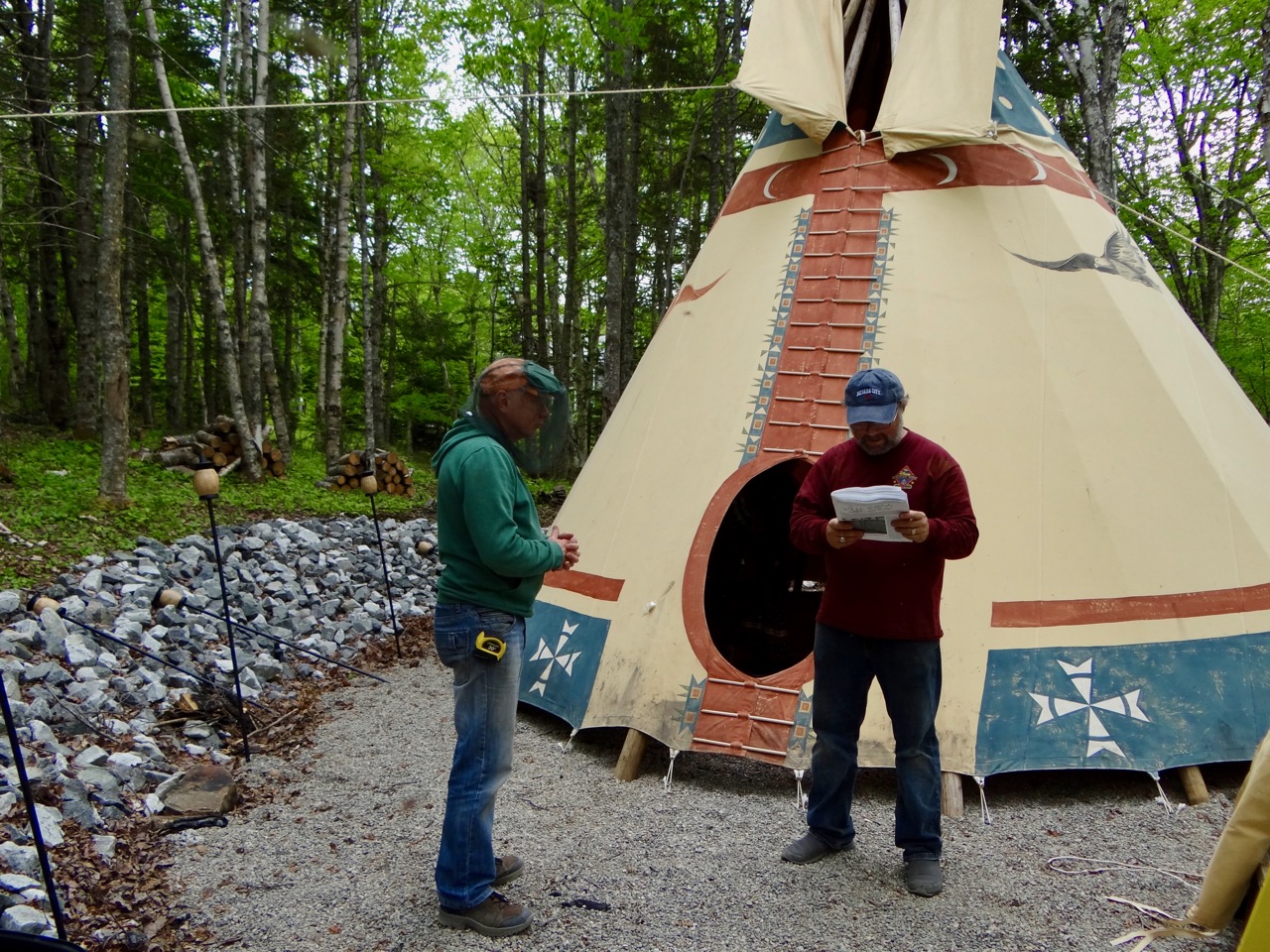
It was such an honour to be part of a gathering of Celtic and First Nations musicians in Nova Scotia. During the gathering we built a teepee (during which we got eaten by tons of midges!!) on the grounds and enjoyed a very special night with Frank and Josie from the Mi’kmaq people. They led us in a very special ceremony around the fire after which we celebrated with drum, singing and the talking stick was passed around.
2018 has been a difficult year for the local people as the fisheries department had not allowed net fishing due to the extremely low numbers of Chinook Salmon returning to the Stikine river. Fishing is not only the livelihood for this region but has major cultural significance as whole families gather, celebrate and live in communal fishing camps when the salmon are running! Read More