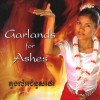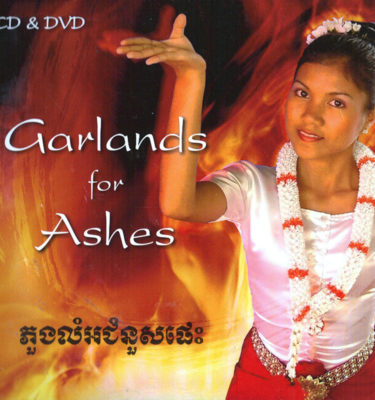




Interesting that the trials of Khmer Rouge leaders is happening the week that Garlands for Ashes has been released. Check out this article and this video from the BBC
Stomp are an innovative group of dancers who use everyday items to explore the world of rhythm.
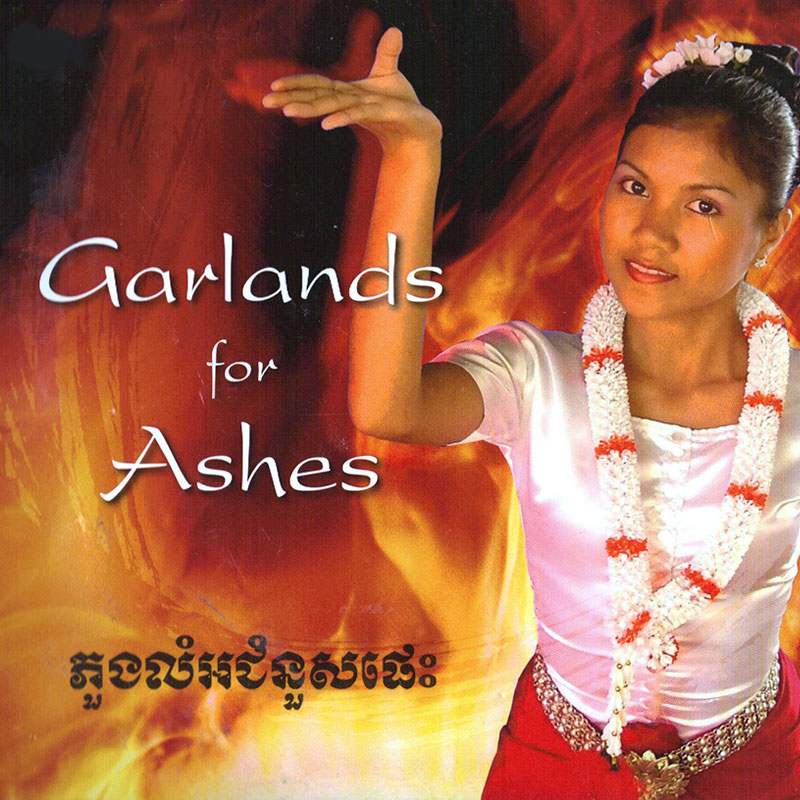
We have a date for the release of our new project Garlands for Ashes – 21 November 2011. A 14 track CD, 12 page booklet and DVD which includes – a clip on Cambodia’s history – another about CCAM and their story – 5 videos of traditional Khmer dances – 3 traditional orchestra pieces – individual instruments – and a photo gallery of life.
Here is a video clip on the making of the traditional Cambodian instrument – the roneat.
![DSCN2987[1]](https://www.voicesfromthenations.org/wp-content/uploads/2011/11/DSCN29871.jpg)
One of the few traditional instrument players that survived the Khmer Rouge genocides.
Just saw 2 great short films recently on a flight home. Lumaajuuq (pronounced Loo-my-you) an Inuit cartoon about the futility of revenge and Shi-shi-etko the story of a First Nations child being forced into residential schooling by the Canadian government. Here is a trailer.
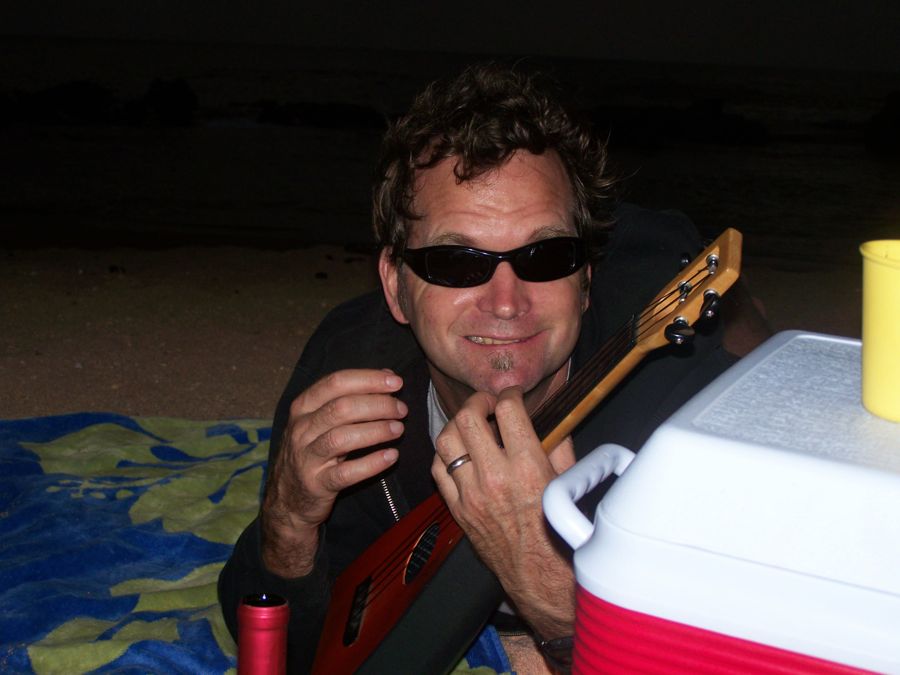
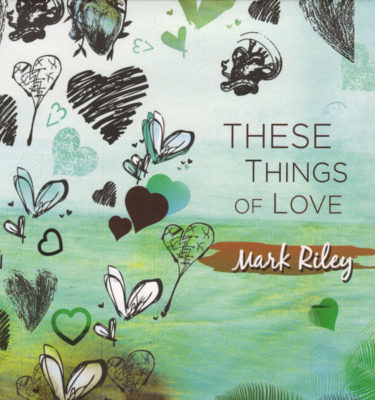
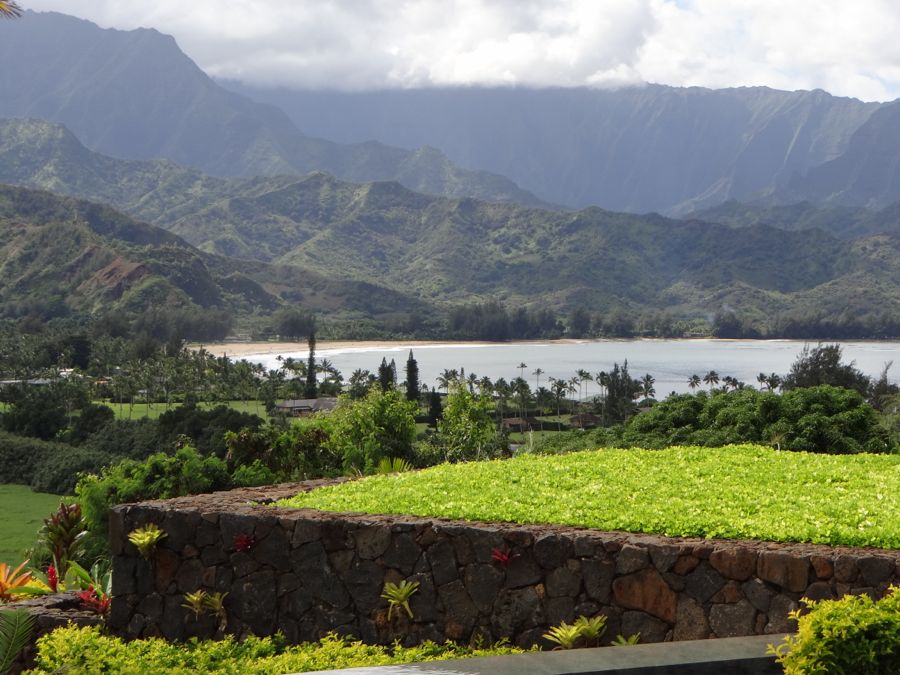
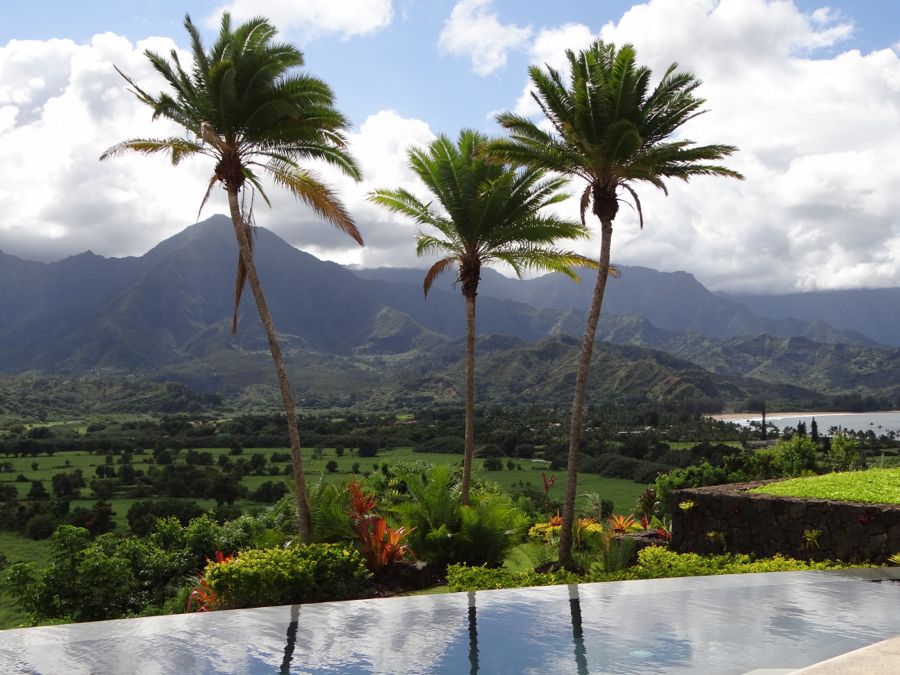
Here’s a link to our good friend and fellow mischief maker Mark Riley from the island of Kaua’i, who we have collaborated with on many musical ventures. ALOHA. Listen to his music ….. Read More
Interesting clip from Cambodia about the resurgence of Khmer arts.
“There has been a revival of traditional and contemporary arts across the country and Phnom Penh has become a hotbed of creativity and young talent. Michelle Jana Chan travelled to the capital to look at this resurgence.”
This is a beautiful traditional Korean drum and dance performance. Samgo-mu is a dance genre with colorful and various techniques, with dancers with three drums hung on the square frames laid out in a triangle form. Three drums are set so that one dancer may hit all of three drums whilst dancing.
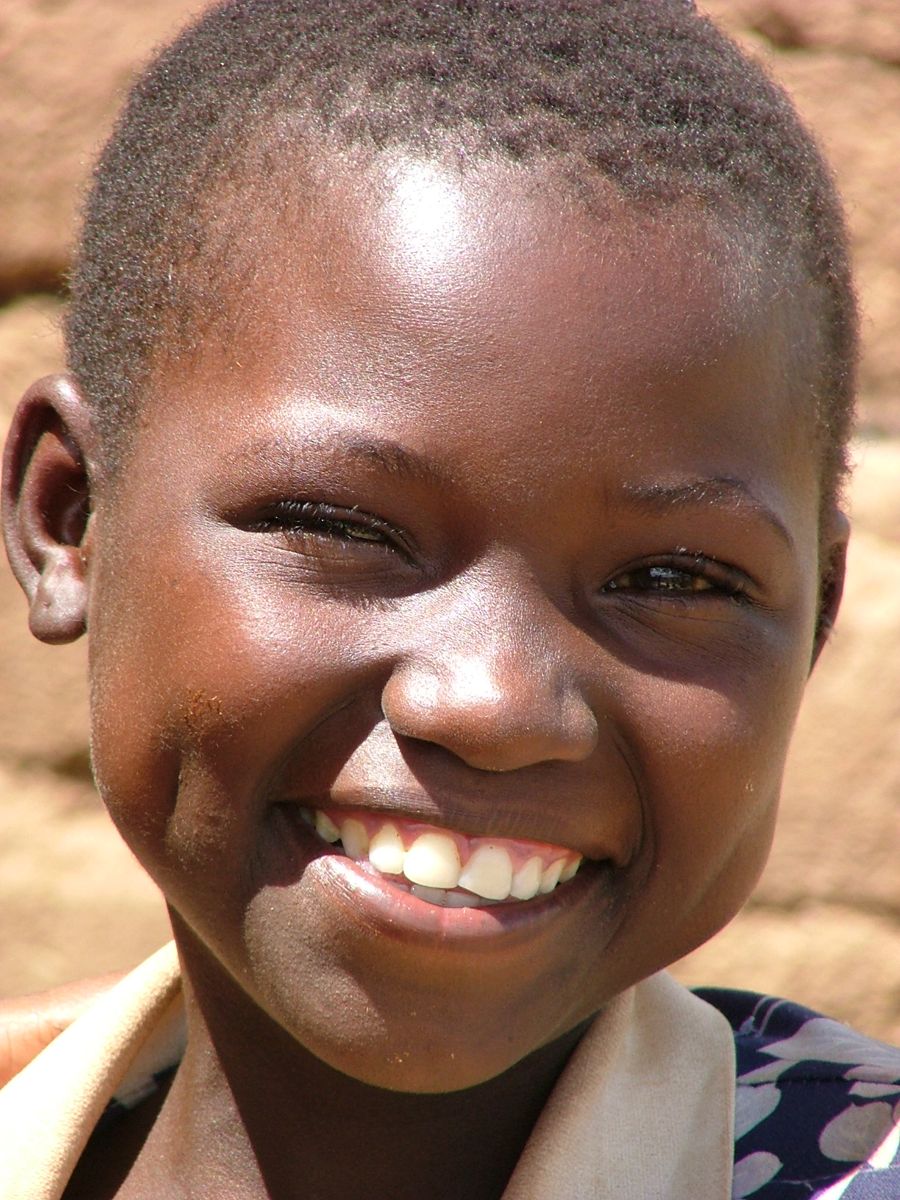
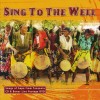
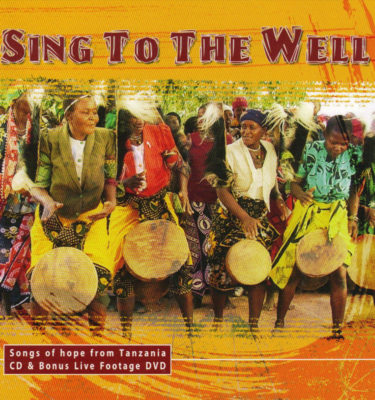
During our recent visit we met a man who now lived in the city but had grown up in the Wagogo village. He invited us to his home to meet his family to say thank you for our partnership with Mnase community. As a child he had grown up walking 10 km a day to collect water. During droughts this well would draw so many people that he would find it hard to get near the water. So he and a group 0f 20 young children decided to go late at night in order to miss the crowds, going as a group prevented attacks by hyenas. Some nights though, in the darkness, they would slip and the yokes carrying the calabash gourdes full of water would fall and break. On these nights they would go home crying to inform their parents that there would be no water that day. With the well now in the community, his families (who still live in the village) lives have been transformed.