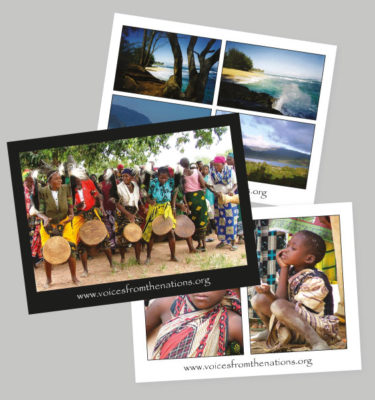
The maternity and baby clinic takes place once a week under a tree in the center of the village.
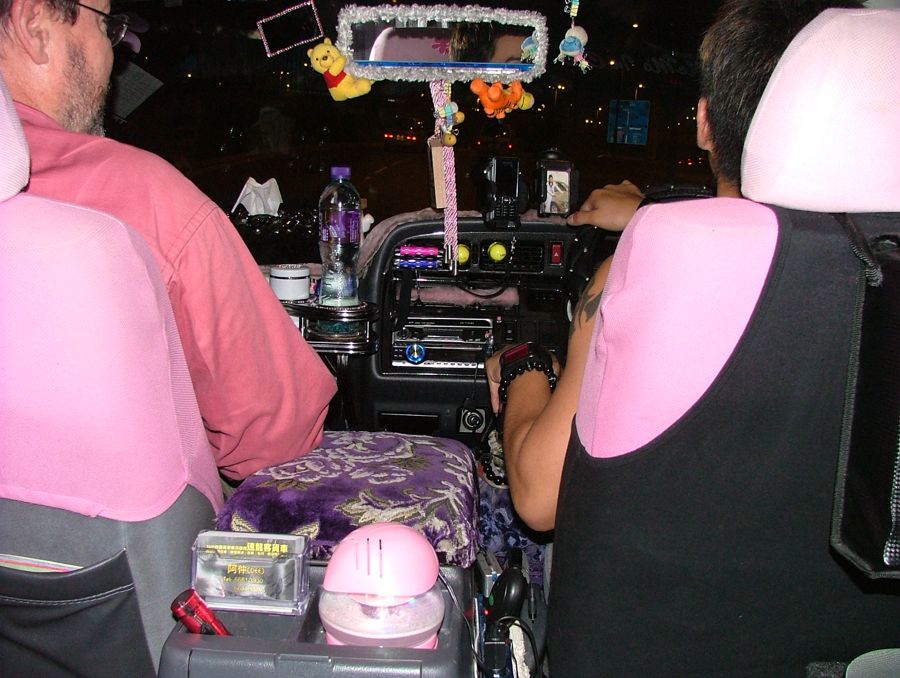
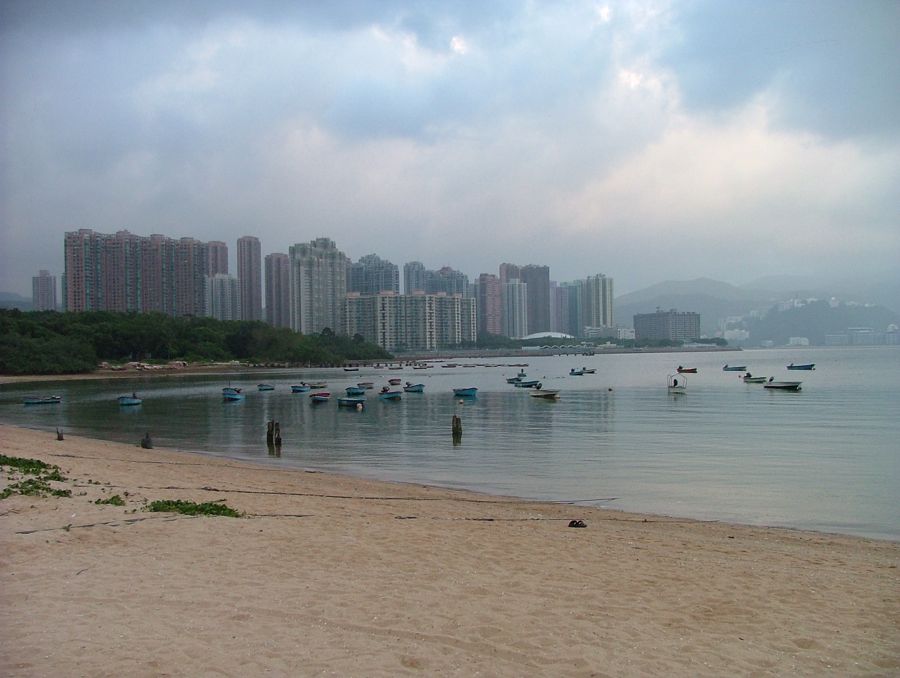
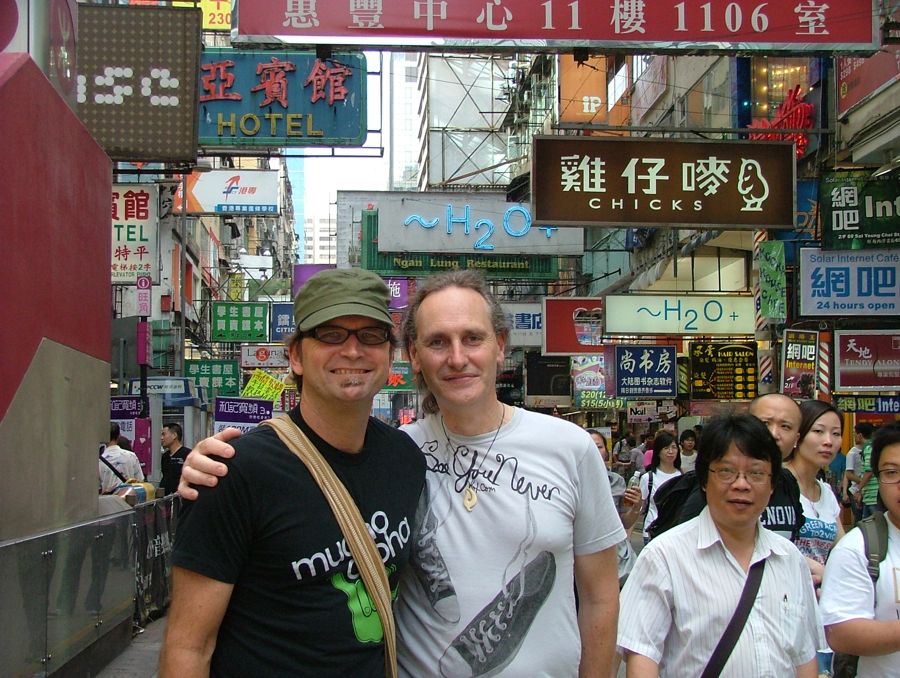
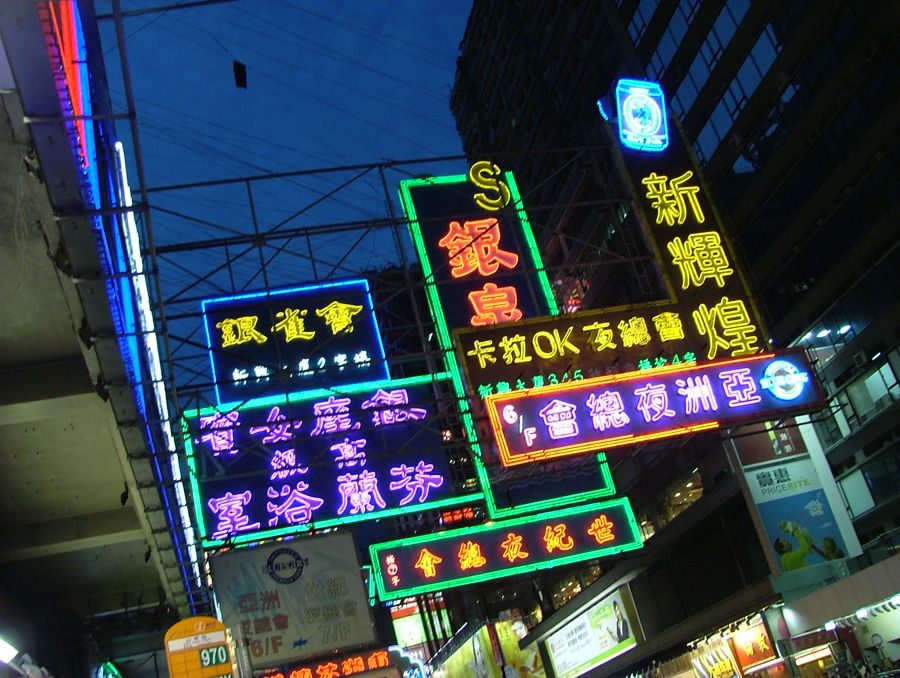
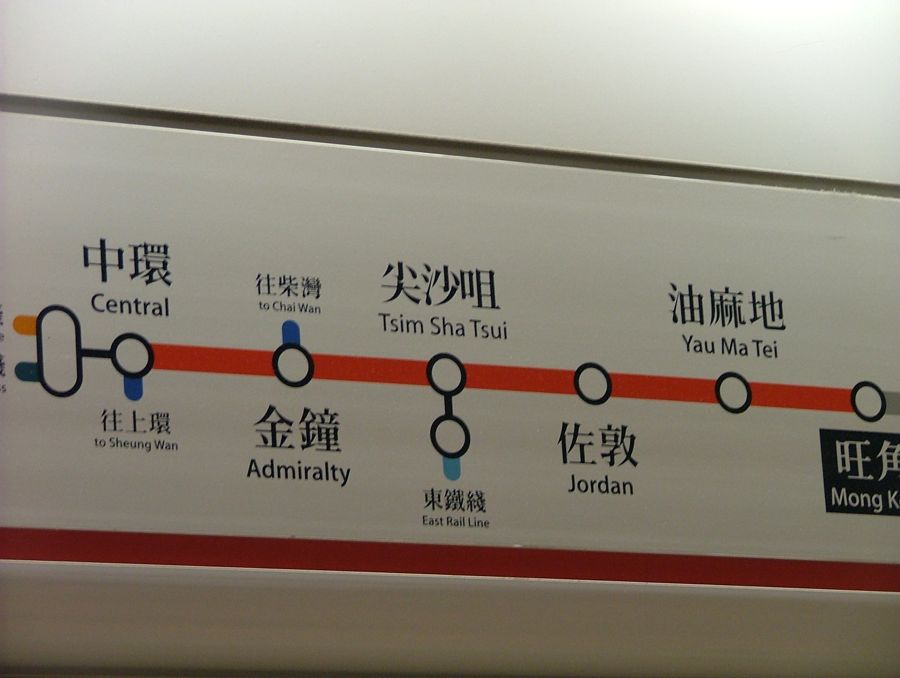
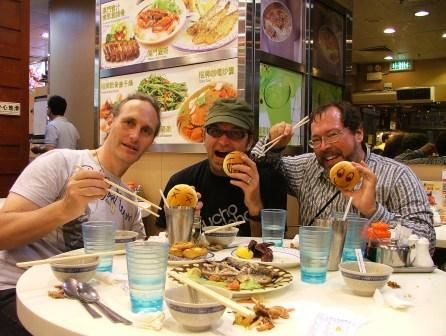
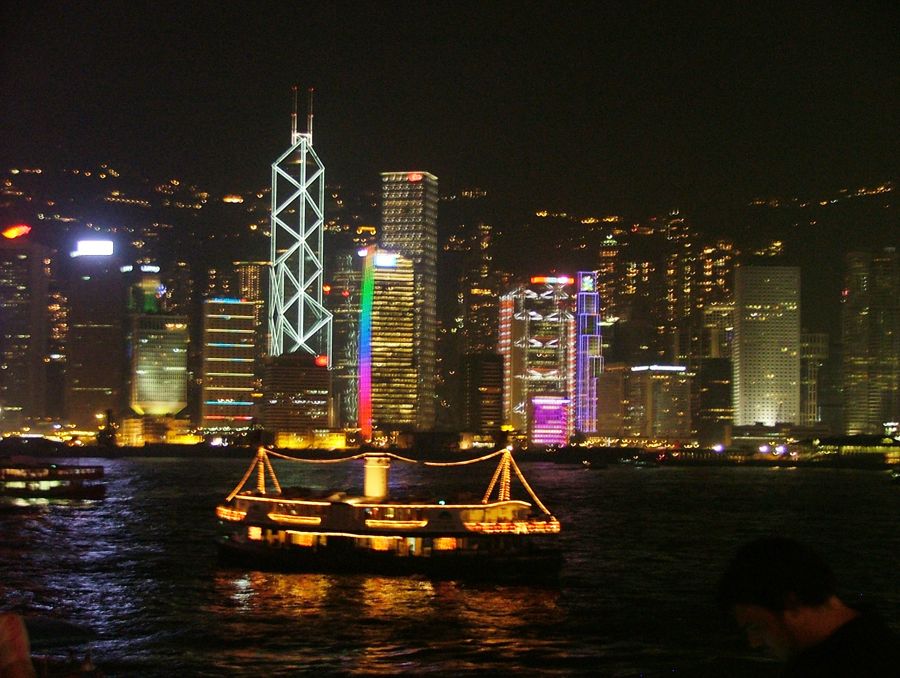
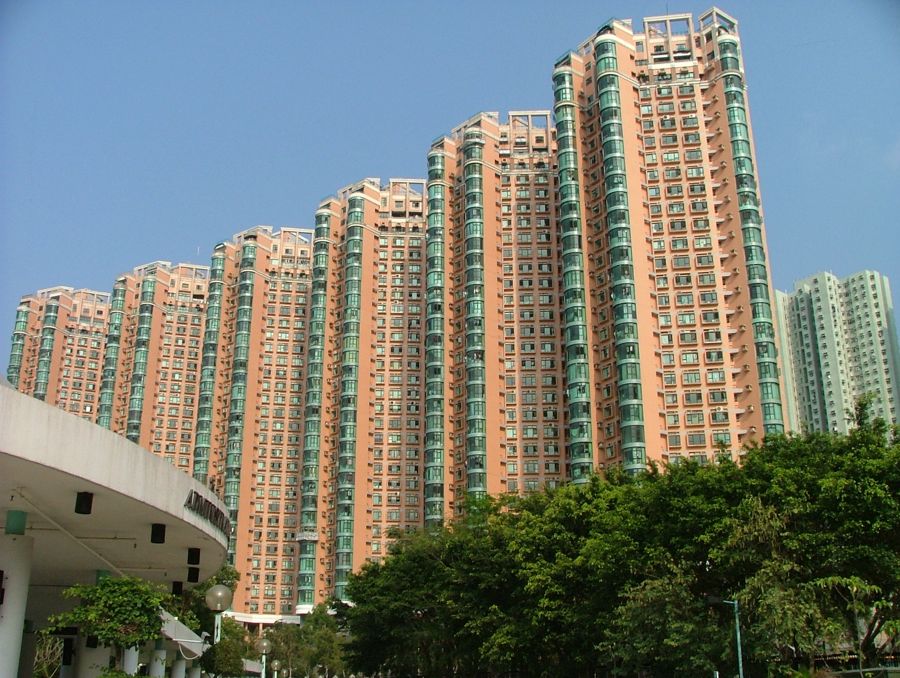 Nestling amongst the surrounding hills in the north and the South China sea in the East, South and West is the city of Hong Kong. It is quite an amazing sight arriving into the airport …. I have never seen so many skyscrapers in all my life …. home to some 7 million people.
Interestingly there were strict health checks as we entered into Hong Kong due to the swine flu virus, temperatures taken and anyone with a high temperature was automatically quarantined for a week. I did laugh when I was given a conference pack with a face mask! Sadly the leader of the event, who had flown in from Japan, was found to have a suspect temperature and was whisked away, he missed the whole event …. Very bizarre!
Read More
In this season where the media is bombarding us with the financial crisis that is crippling the world my question is what is our response? Interestingly like most Mandarin words, the word “crisis” (wēijī) consists of two syllables that are written with two separate characters, wēi and jī. These separate characters mean “danger” and “opportunity”. Maybe this paradox can point us towards a counter cultural view point. Do we choose to worry about the danger that may be lurking around the corner or do we look for opportunities to be generous?
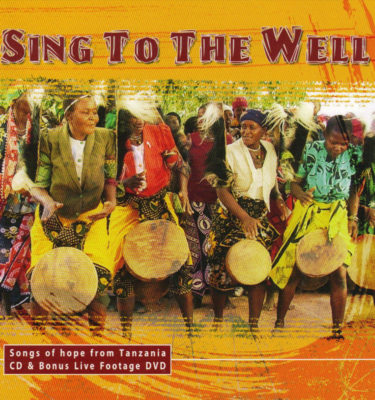
Sing to the Well is a CD recorded in a rural community in Tanzania. The only documentation we had found of this instrument was a 3 string version so you can imagine our excitement when we met this player who plays a 10 string Zeze.
Sing to the Well is a CD recorded in a rural community in Tanzania. During our time recording we spoke with many of the older people in the village showing them pictures from an old book I had discovered on traditional Gogo instruments. One old lady knew where someone played this strange instrument called the Donondo … so of we went searching …. 2 hours later surrounded by a maze field we found this man.
The legendary Mullah Nasir-ud-Din arrived in the city in the middle of Ramadan. The mullah was very hungry and when he heard that the Emperor was providing a free iftar (meal that breaks Ramadan fasting) to anyone who came to the Red Fort he immeadiately tied up his donkey and went along. However he was so dirty from his ride that the Master of Ceremonies placed him in a distant corner, far from the Emperor, and at the end of the queue for food. Read More
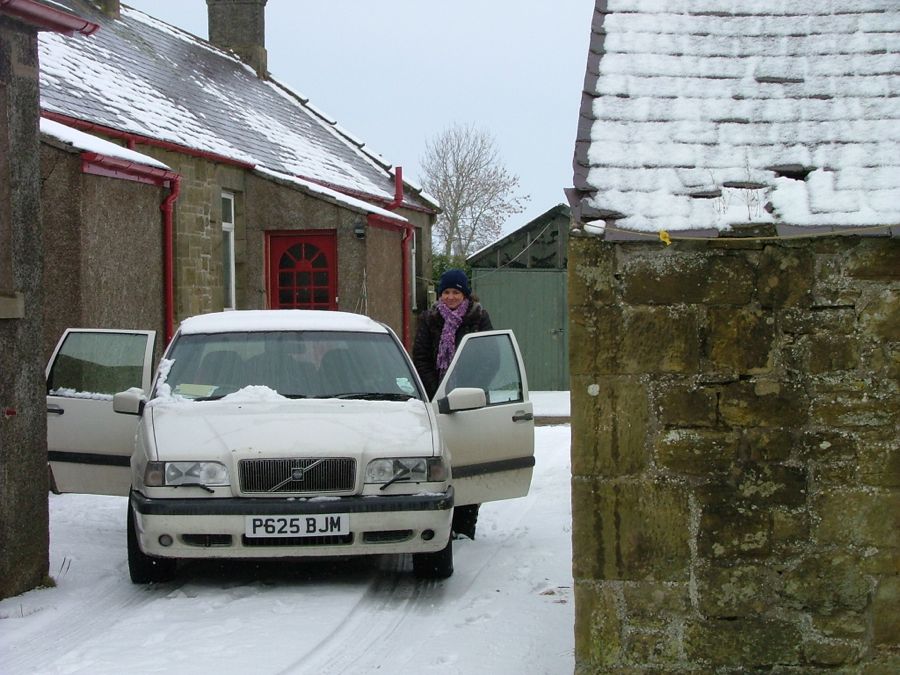
Our journey started from snow covered Northumbria, skidding down the narrow icy lanes towards the A1 and ended 3 days later (after various forms of public transport – car, plane, taxi, dalai, coach and three wheeler cycle!) in hot and humid Dodoma which is situated in central Tanzania.
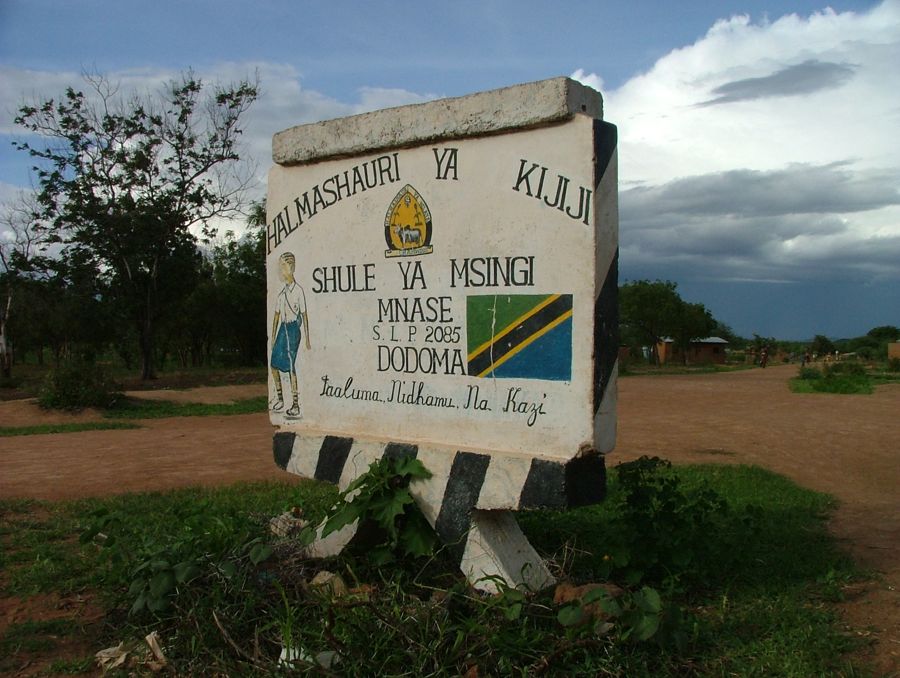 Tanzania, although one of the least urbanised, is East Africa’s largest country. With a diverse landscape of savannah, bush, lakes and highland plateau. It is renowned for its wild life, game reserves and Mount Kilimanjaro, (the highest mountain on this continent). Its 126 different tribal groups, each with their own heritage, are welded together by the Kiswahili language, a mix of Arabic and old Bantu originating from Zanzibar. Before 1972 this diverse group of people had no cohesion and lived in scattered pockets throughout the country. Between 1972 and 1974 under the Presidency of Julius Nyerere the Government forced these pockets into village formats. Read More
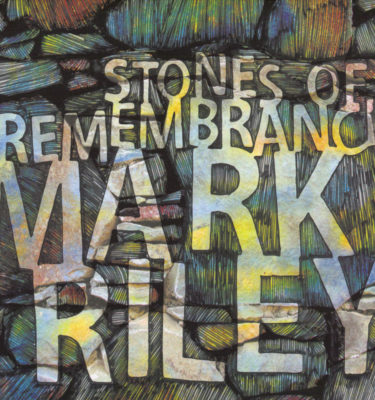
For over 20 years Mark Riley, a Californian by birth, has come to appreciate and embrace the life, culture and sounds of the Hawaiian nation. In order to honour the people and respect the friends and place he now calls home, this recording has involved cultural expressions, natural soundscapes and Hawaiian musicians to help tell Mark’s unfolding story of journeying with God on the island of Kaua’i as well as internationally. The melding of modern music and indigenous Hawaiian instruments on this project is a symbol of different people groups coming together in unity and exploring their God given heritage and unique musical gifts. Want more info about Mark www.markrileymusic.com
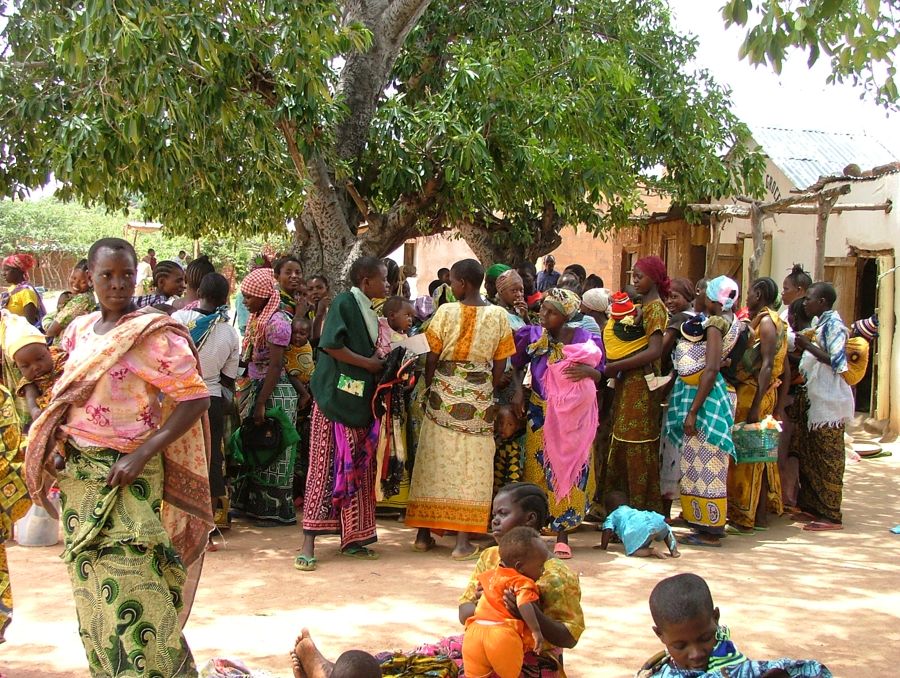
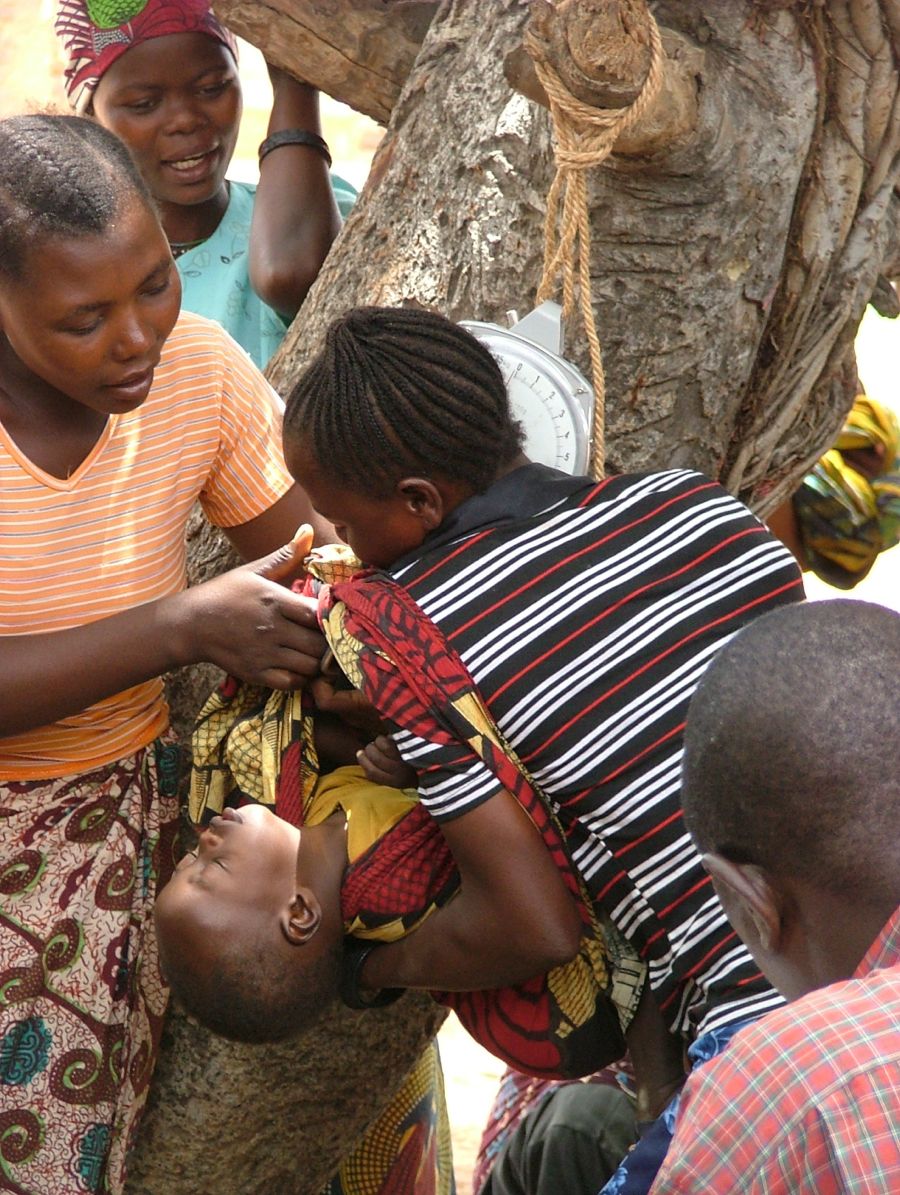
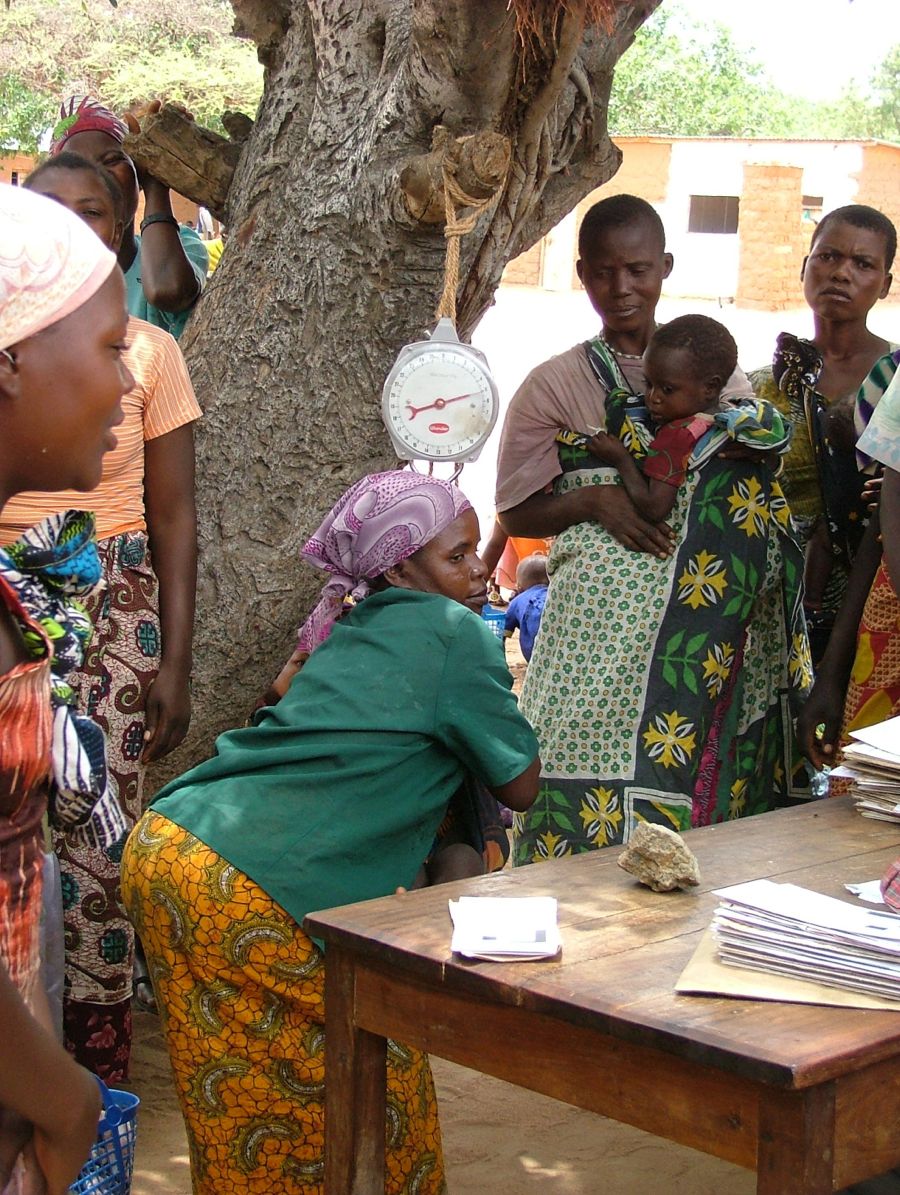
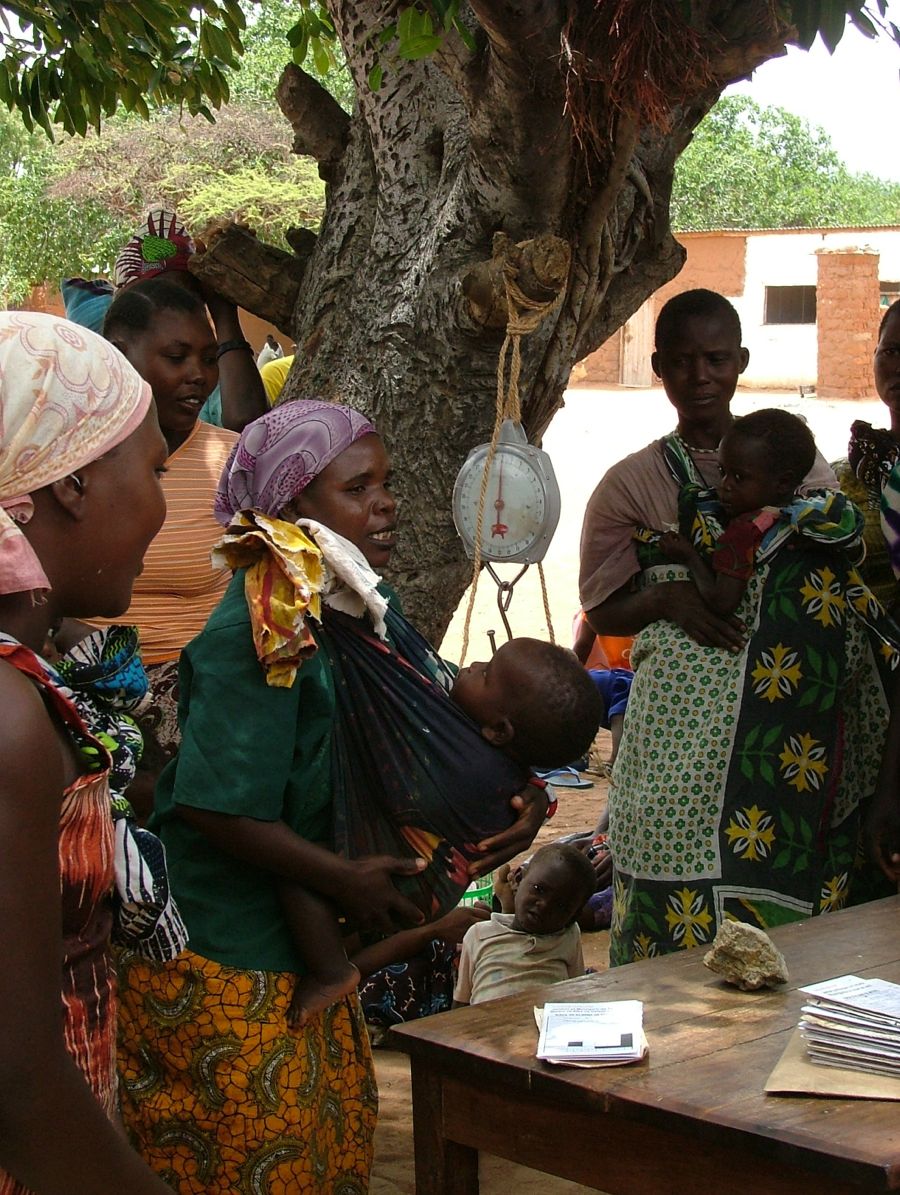
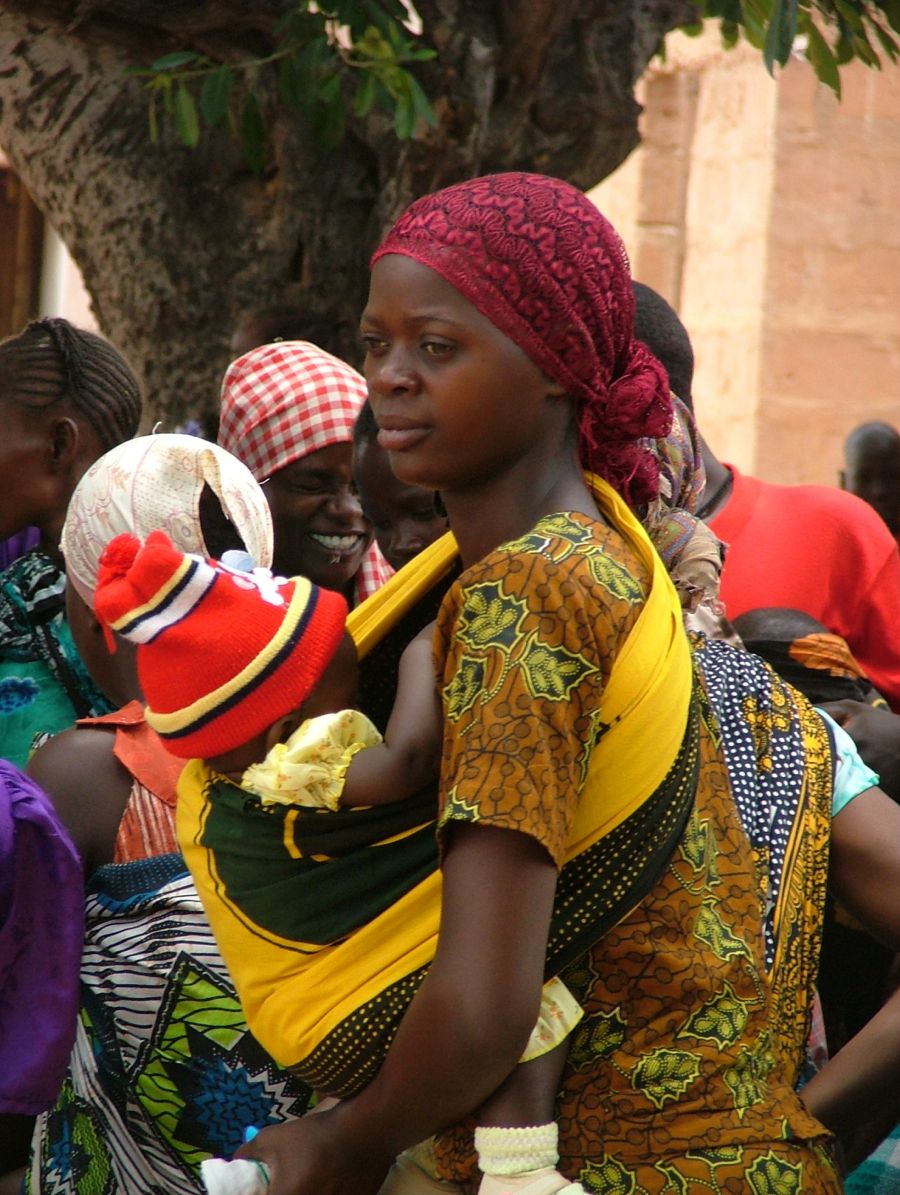
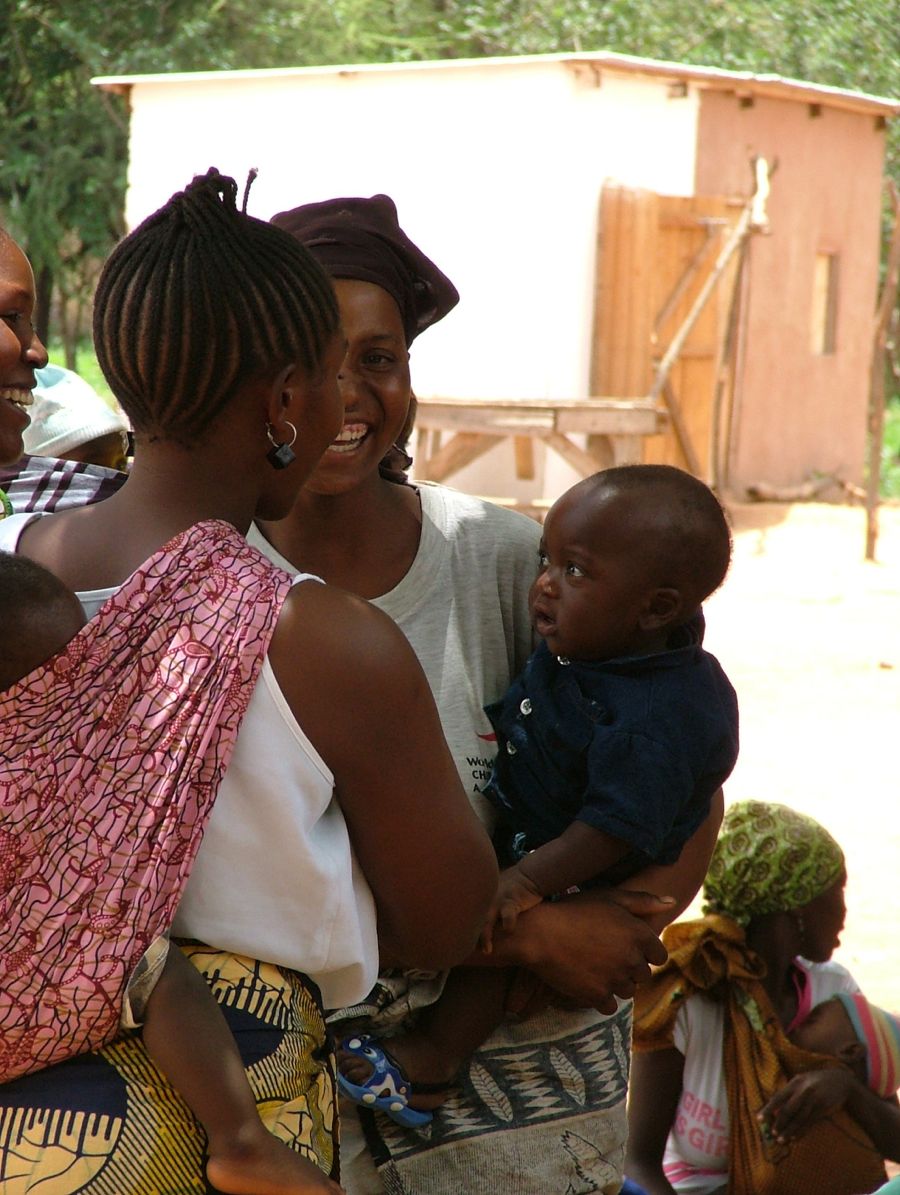
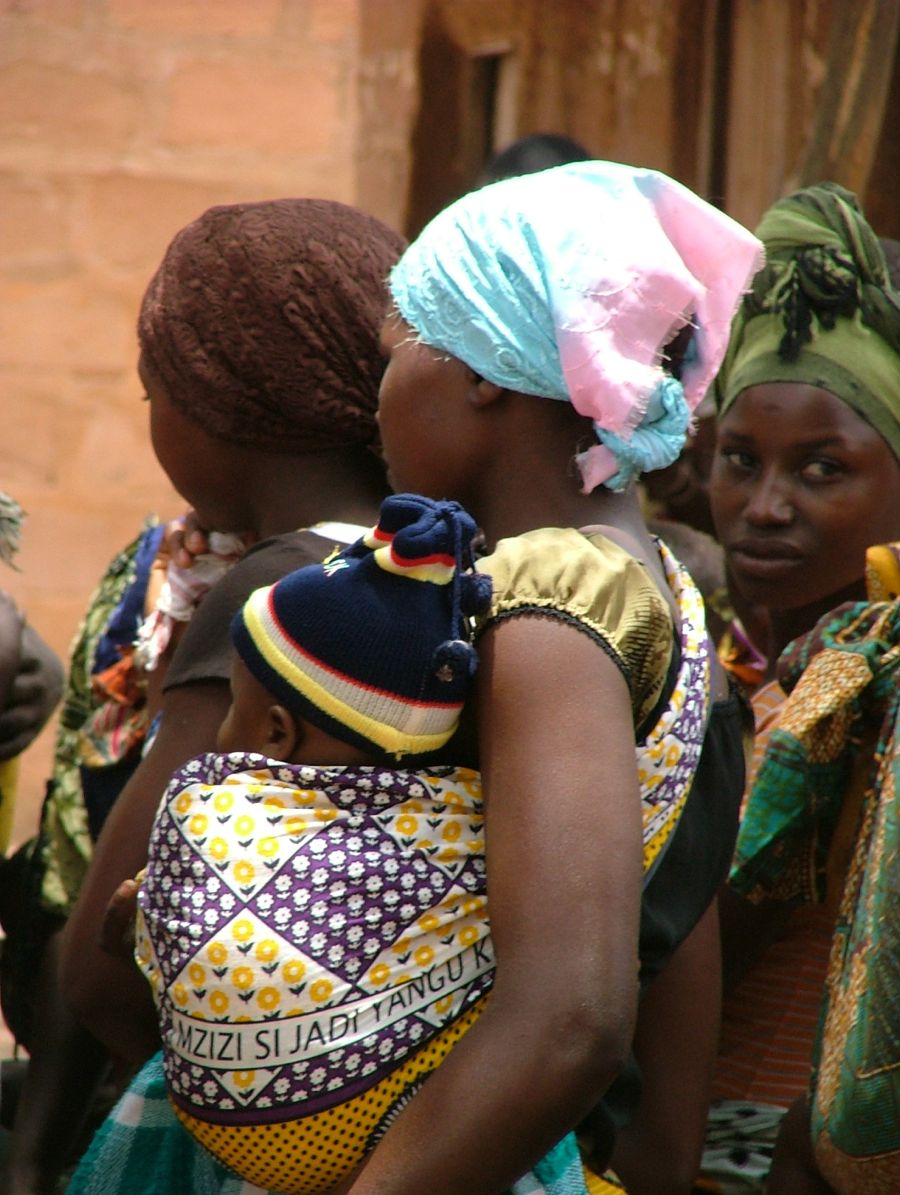
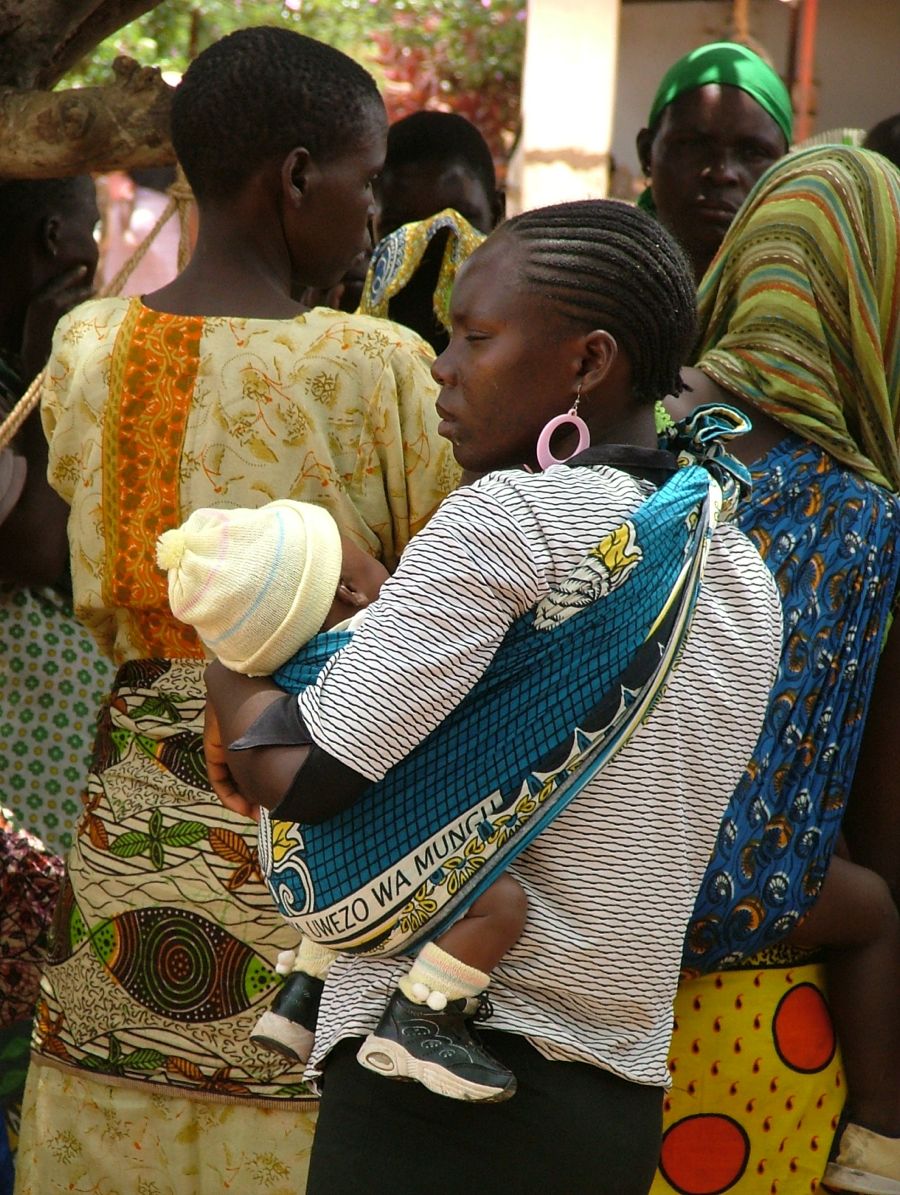
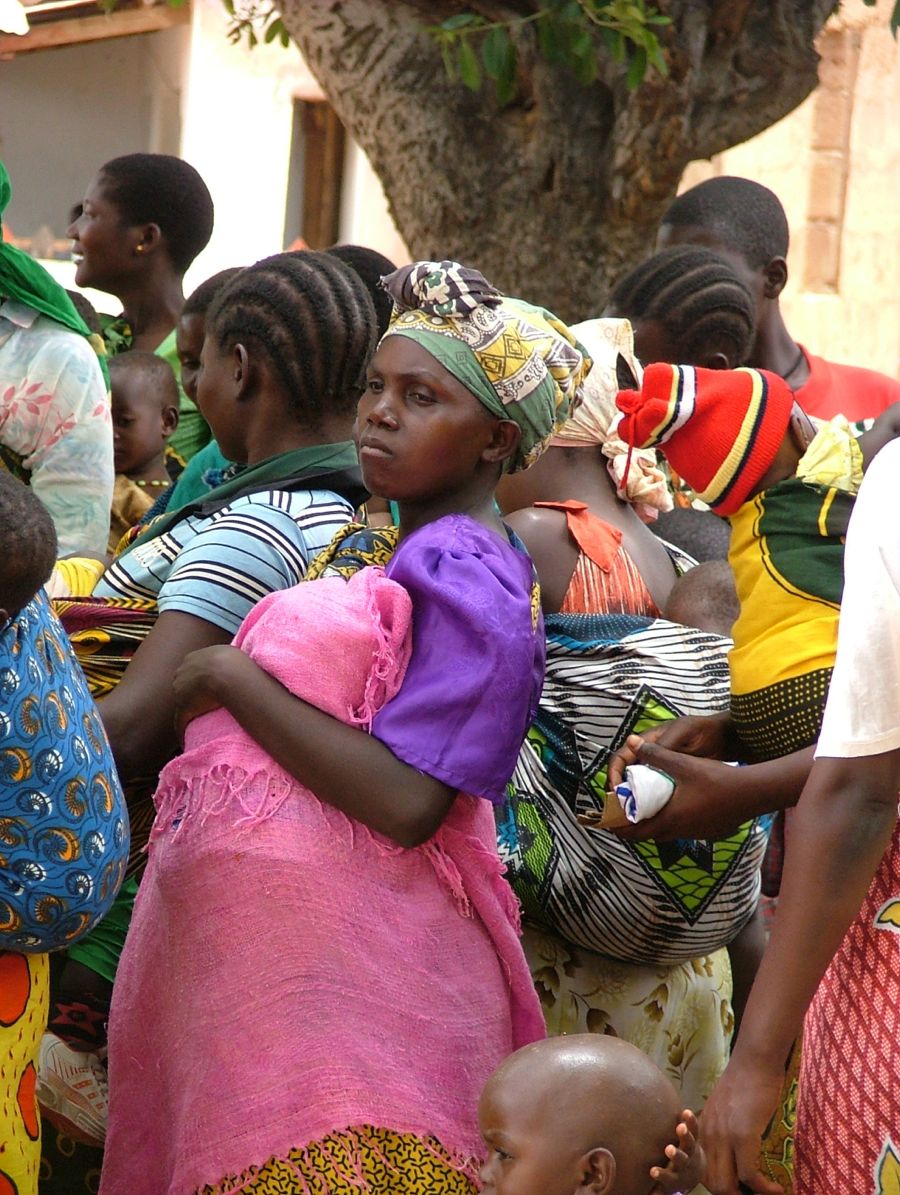
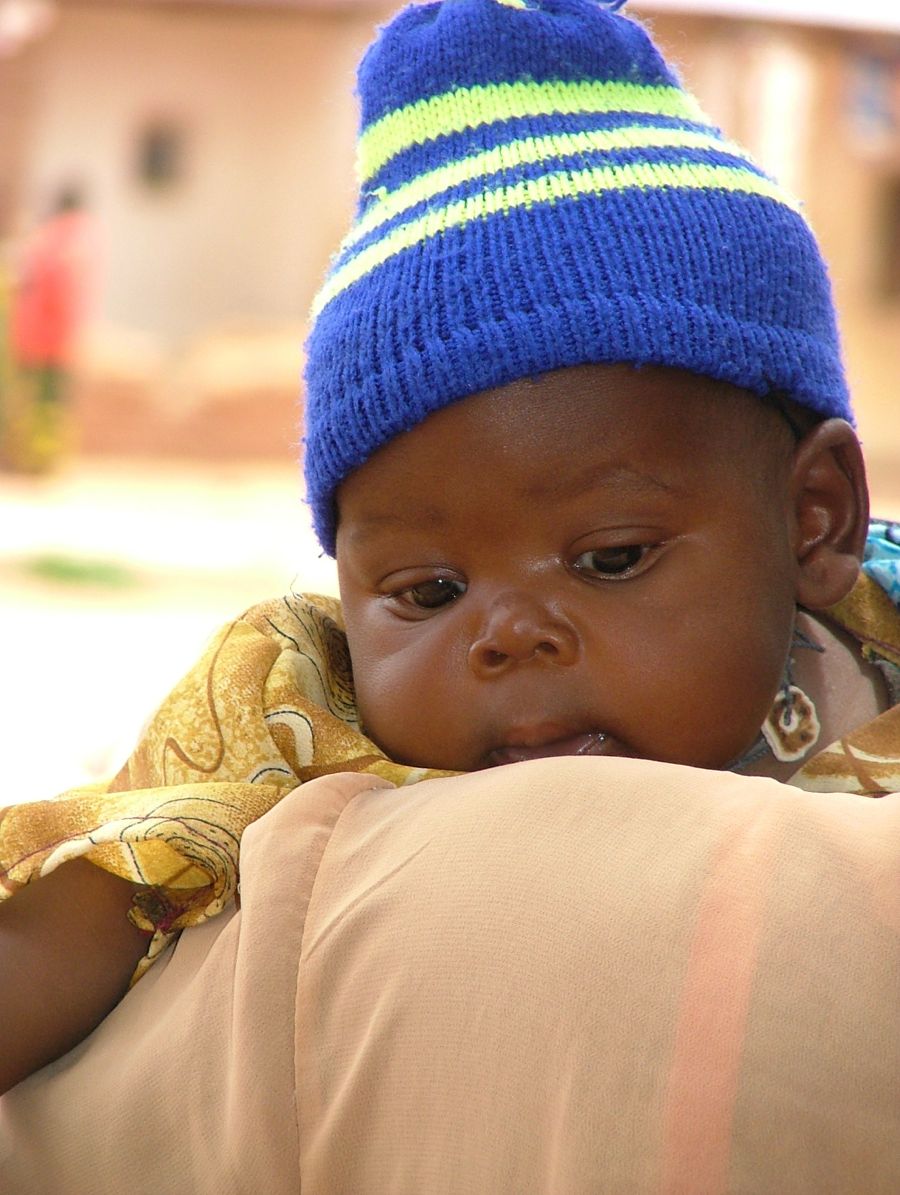
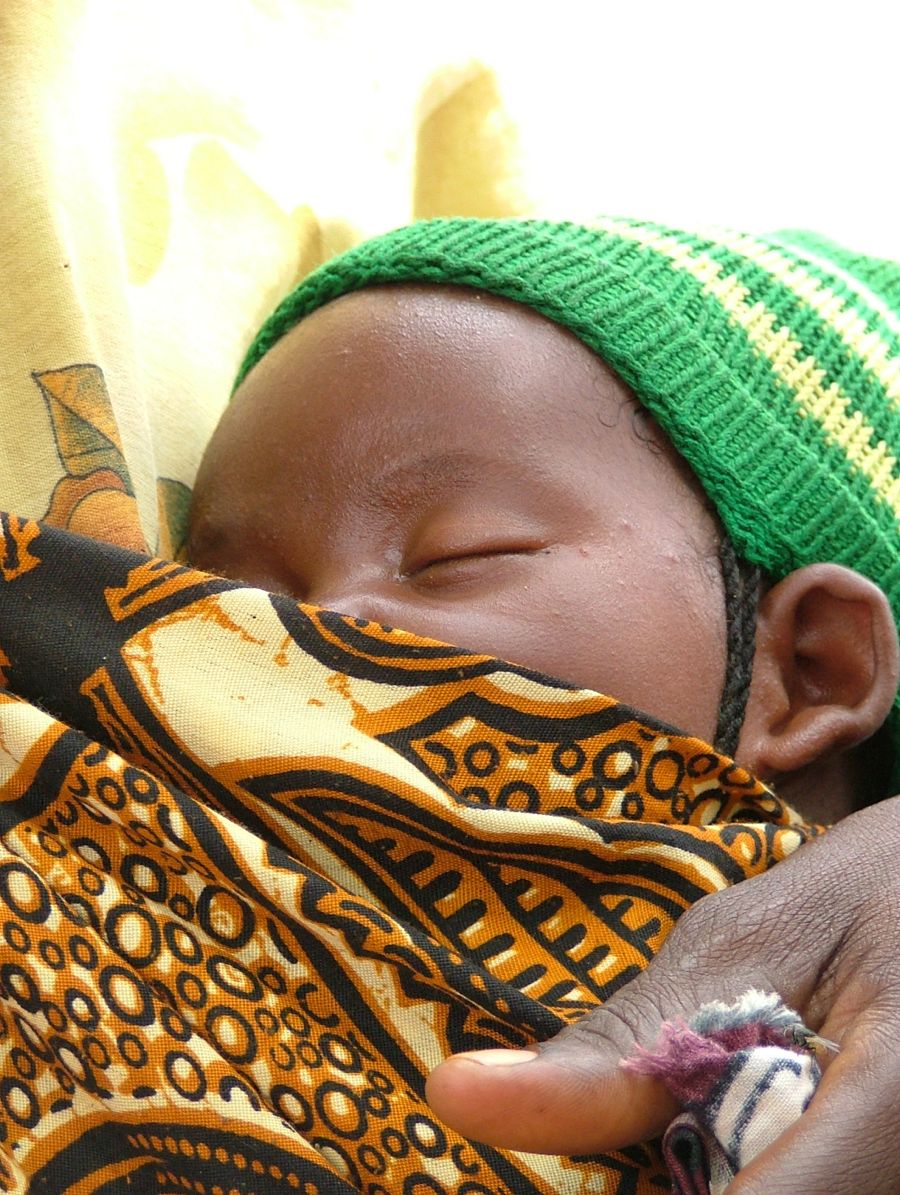
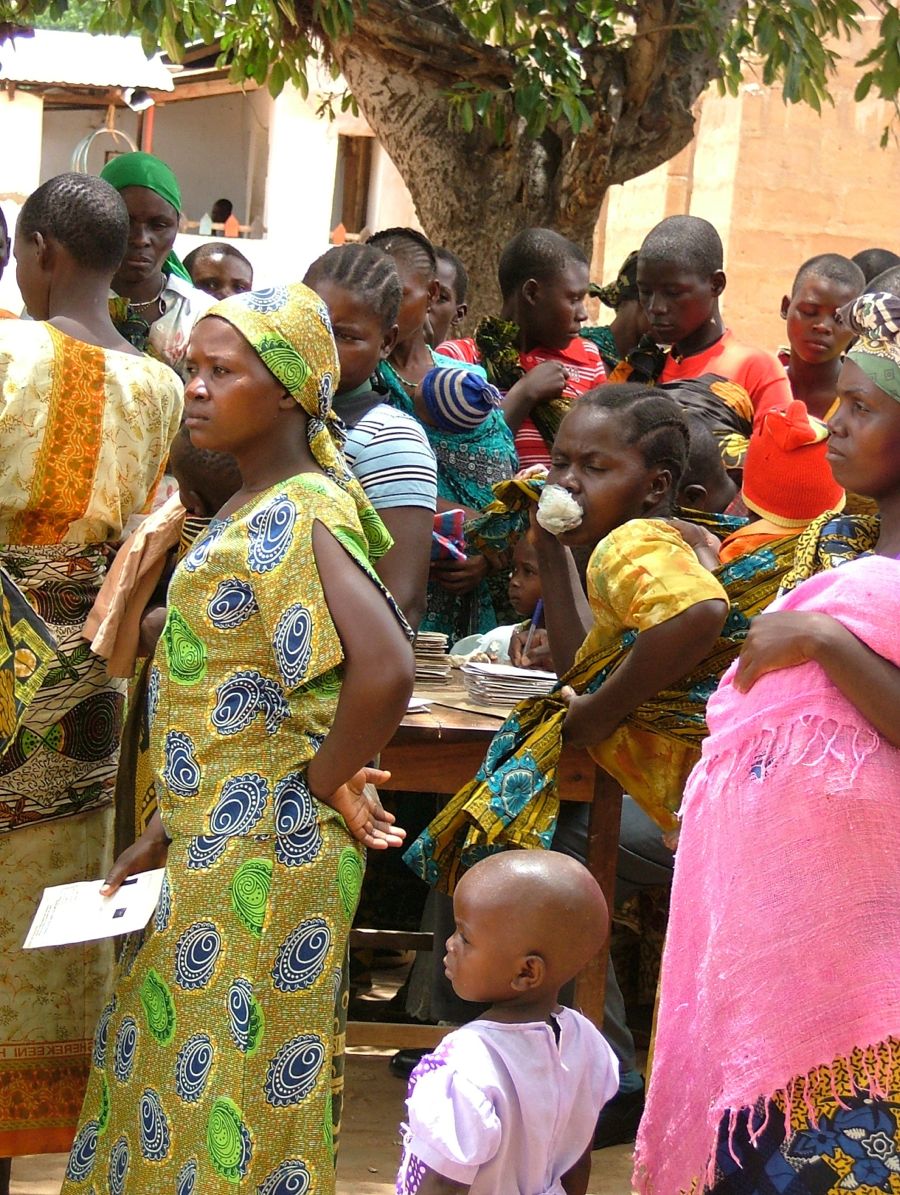
Next stop was to see the progress of the medical dispensary. The building project has brought jobs to men from Mnase and an adjacent village. At the moment the only medical help is a visiting doctor, once a month, for pregnant women and children under 5. Men, children over 5 and all other women have to walk or cycle 10km to the nearest small dispensary. Inside the new unit will be a waiting room a doctor’s room, an inoculation room and dispensary hatch, a store room and 2 small bedrooms for men and women.
Seeing the renovated water pump working was very moving and hugely exciting. A dream in 2005 had become a reality. The village committee had decided to charge 20 TZS for a container of water (about 0.1 pence), this enables someone to be employed to look after the pump, pay for the fuel and allow people from the 4 other satellite villages to collect water.
We have put together a short video using pictures and video snap shots of the unfolding story of water coming to the village of Mnase in central Tanzania.
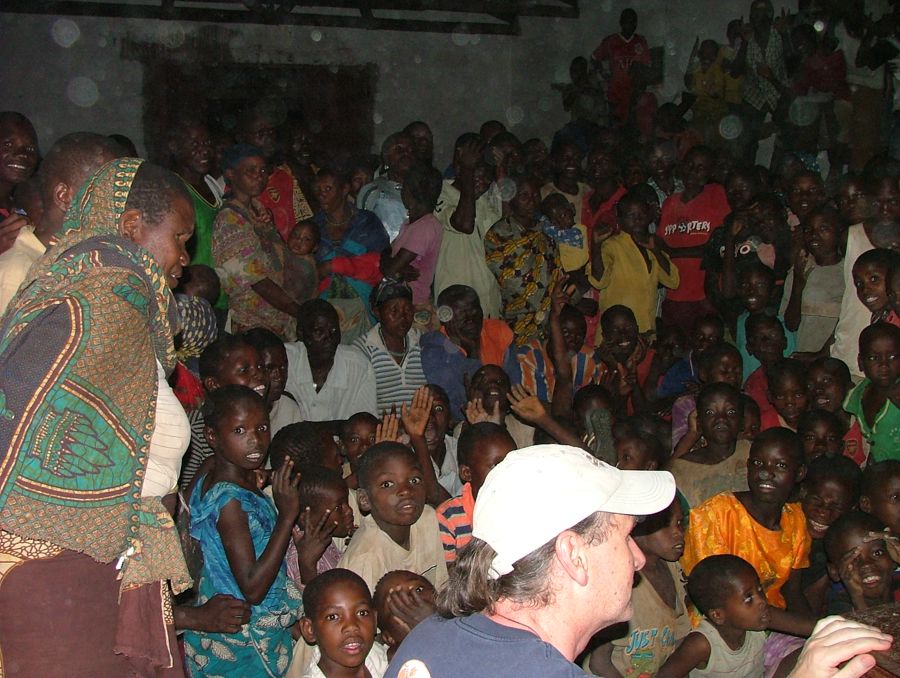 It was a full house as we showed some of the video clips and pictures from our recording trip in 2005. Initially we had decided to show the clips outside under a corrugated iron roof – but there was such a huge crowd (the news had got out – even though we had only told a few people) that there was a fear that the roof and structure was going to collapse when we started playing the music. We had to quickly stop the showing and run!!! There was much laughter later with the elders of the village, as they joked about possible news headlines – white people kill half the village of Mnase!
When we regrouped in a smaller venue with restricted numbers – we had an amazing evening. People were laughing, screaming and pointing as various members of the village were noticed in the photographs. The first time that any of them would have seen themselves on a computer screen.
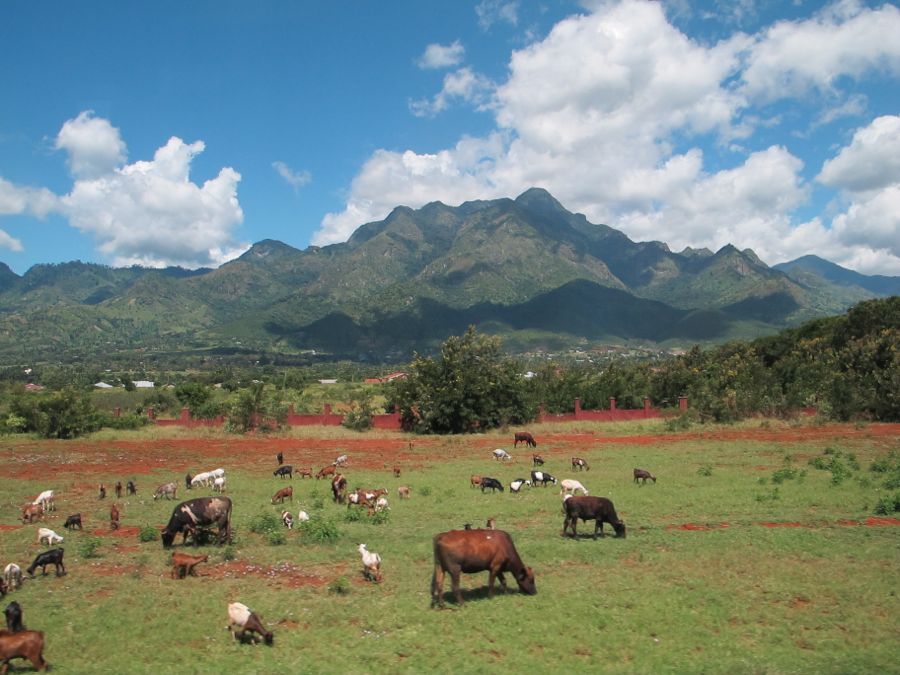
Early this morning we set off to Mnase village in what can only be described as a metal moving object crammed to absolute capacity with people, chickens and general household objects. This picture gradually got worse as people finding no room through the doors started climbing in through the windows ….. and every once in a while there would be startled looks at the realisation that there were Msungu’s (white people) on the bus! Read More